






Read More




Singapore mulls tax cuts as top finance professionals return to Hong Kong
25-07-2026 21:22 HKT
HKO to issue T8 signal at 10.10pm as Typhoon Noul threatens
25-07-2026 19:42 HKT


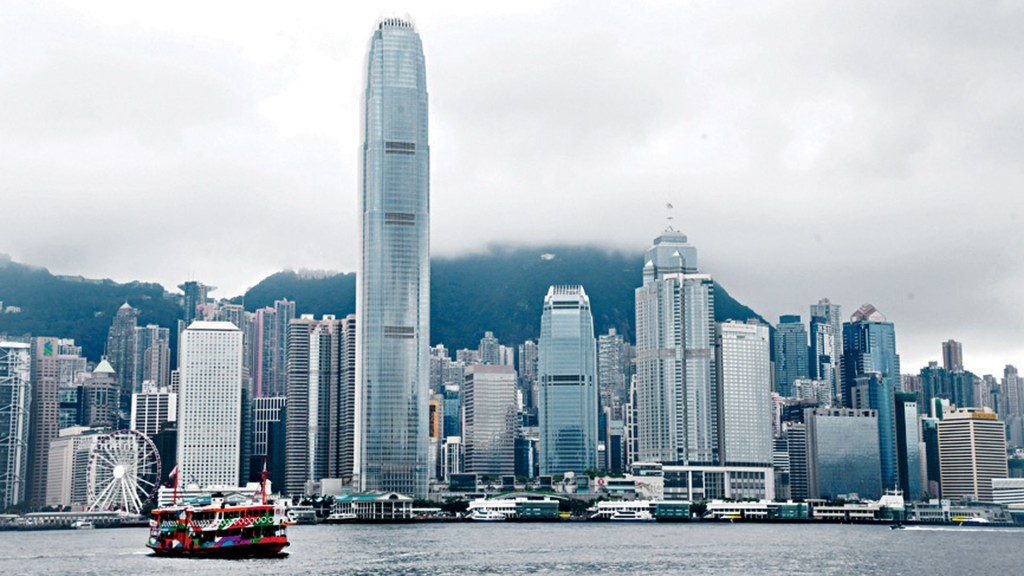
Hong Kong is set to launch a two-month public consultation on June 15 for its maiden Five-Year Plan. As announced by Chief Executive John Lee Ka-chiu on June 9, the blueprint aims to better align the city’s economic and social development with China’s national plan.
China’s national five-year planning system originated from the Soviet Union’s centralized socialist economic planning, which started in 1928. Historically, early Soviet and Chinese economic plans resulted in devastating failures that caused great famines and massive loss of life. These past events may raise doubts for some regarding the direct adaptation of such planning to Hong Kong.
There is also a long-held perception that Hong Kong’s economic success has been based entirely on the city’s traditional capitalist system, where the administration adopts a largely hands-off approach and lets the free market drive the economy.
This belief was further strengthened by successive financial secretaries in the 1960s and 70s, such as John Cowperthwaite and Philip Haddon-Cave, the latter of whom coined the term “positive non-interventionism.” American economist Milton Friedman – who inspired Reaganomics and Thatcherism on both sides of the Atlantic – highly praised Hong Kong’s minimalist model and hailed it as the world’s best example of laissez-faire capitalism.
Nevertheless, the 1960s and 70s were also the exact period when Hong Kong launched the most aggressive, government-funded social policies in its history. Under Governor Murray MacLehose, the city introduced the Ten-Year Housing Programme, nine-year free compulsory education, the Public Assistance Scheme, and disability and old age allowances. It also greenlit major infrastructure projects like the MTR.
During the MacLehose administration, the Hong Kong government also began the annual Policy Address tradition in 1972. By setting out the main government policy goals for the upcoming year, these addresses functioned essentially as a mini-version of a five-year plan.
The Hong Kong officials identified that a massive lack of housing, education, and healthcare contributed to the severe social riots of the late 1960s. They understood that the city’s political stability could only be secured if the state took a leading role in redistributing resources to continuously improve people’s living conditions.
Friedman’s economics, also known as the Chicago School, did create decades of economic growth in the United States and the United Kingdom through deregulation, privatization, and smaller governments. However, it has also generated massive economic inequality in many Western societies today, leading to growing political polarization and instability.
On the contrary, China’s investments in emerging industries like electric vehicles and artificial intelligence have proven to be far-sighted. These strategic moves have kept the country in a leading position within the AI-driven Fourth Industrial Revolution.
As the global economy is experiencing a historic transition period compounded by intensifying geopolitical competition, many Western countries are now adopting massive, state-led economic strategies, such as the CHIPS and Science Act in the US and the Green Deal Industrial Plan in the European Union. To navigate this pivotal moment in history, a comprehensive, long-term strategy is urgently needed for Hong Kong. The city must actively identify and invest in emerging industries and vital social groups to survive global competition and secure the economic and social well-being of its people.