
Read More
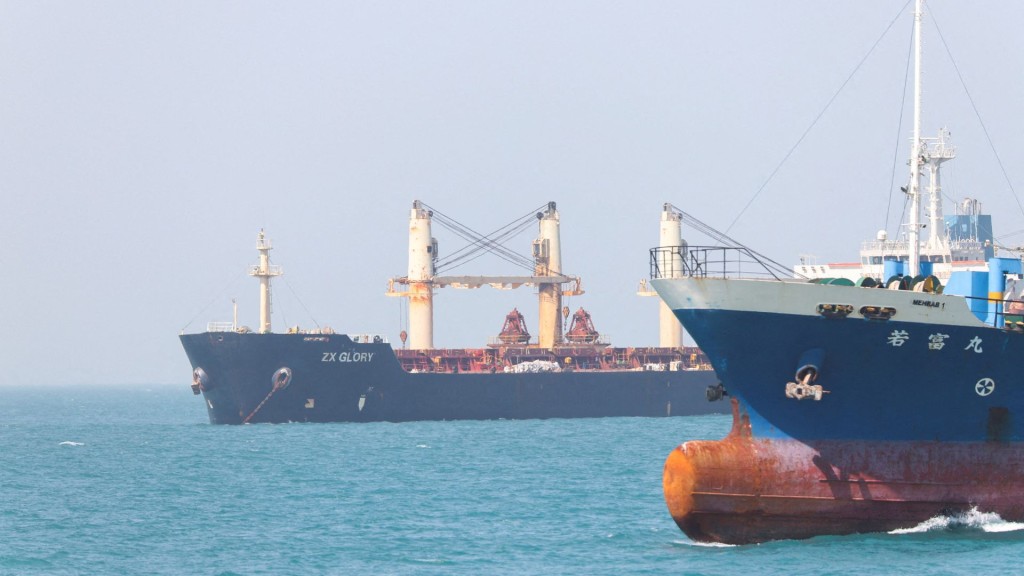
While the US-Iran framework agreement aims to reopen the Strait of Hormuz, the immediate resumption of normal shipping traffic is far from assured. The waterway has been a frontline of the conflict, and the practical hurdles to restoring safe transit are substantial.
ADVERTISEMENT
SCROLL TO CONTINUE WITH CONTENT
A primary concern is the issue of maritime insurance. During the conflict, war-risk premiums for vessels transiting the strait skyrocketed from prewar rates below 0.1 percent to as high as 7.5 percent of a vessel’s value. For a large oil tanker, this represents an additional cost of millions of dollars per transit.
Industry experts warn that insurance premiums are “quick to go up, slow to go down,” and the market will require tangible evidence of lasting stability before rates normalize. Furthermore, the threat of naval mines and the need for a thorough verification process to ensure safe passage mean that the strait may not be fully operational for weeks. Until these issues are resolved, the “reopening” will remain more symbolic than substantive for many shipowners and traders.
The nuclear question and the Israeli factor
The memorandum provides a critical 60-day window to negotiate a more comprehensive deal, but the core issues are deeply intractable. Chief among them is the future of Iran’s nuclear program. While Iran has reportedly committed to the Non-Proliferation Treaty and not producing nuclear weapons under the draft agreement, the final details on uranium enrichment levels and the disposition of its existing stockpile remain unresolved. The United States is insisting Iran will “never possess nuclear weapons,” but the path to achieving this through negotiation is unclear and will be fiercely contested.
Adding to this uncertainty is Israel, a key US ally and Iran’s sworn enemy. The Israeli government has made it clear that it does not consider itself bound by the US-Iran agreement and has warned it will continue to act in self-defense. This threat is particularly acute regarding Lebanon, where the Israeli Defense Forces have signaled they intend to maintain a presence, even as the deal calls for a cessation of military operations there. This unresolved conflict on Israel’s northern border is a major flash point that could easily unravel the fragile US-Iran framework.
Economic realities and market speculation
The deal’s potential to stabilize oil prices has been cited as a key factor that could influence the Federal Reserve’s monetary policy. With a temporary peace likely to tame inflation, markets are watching the Fed’s first meeting under new chair Kevin Warsh for signs of a steady course on interest rates. However, a significant drop in oil prices would come at a cost to the booming US shale industry, which has been a primary beneficiary of the conflict-induced price surge above US$100 (HK$780) a barrel. While independent producers have rushed to ramp up production, the supermajors have remained cautious, a stance that suggests a lack of confidence in the deal’s durability.
Finally, it is essential to acknowledge the role of market speculators, who thrive on volatility. The uncertainty generated by the conflict has been a boon for financial players, and a smooth, permanent peace is not necessarily in their interest. The memo is just a template for further negotiation. With so many known unknowns and a high potential for renewed conflict, the forces of speculation are unlikely to abandon this volatile market anytime soon.