While the world looks west and east, a transit revolution is unfolding in the heart of the Eurasian landmass – and Hong Kong has both the expertise and the incentive to join it.
It is easy to dismiss Kazakhstan as too vast and empty for urban rail. With just eight people per square kilometer, the ninth-largest country on earth defies every textbook justification for mass transit.
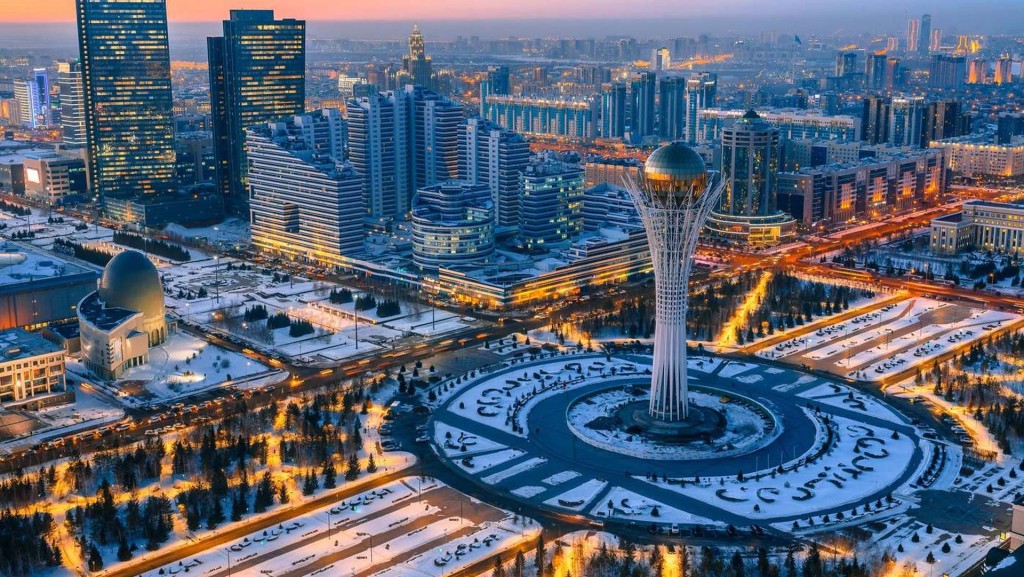
Yet Astana, its capital, launched a light rail system less than a month ago – and the compartments are full of happy passengers.
For too long, our city has viewed its transit expertise as something to export only to dense metropolitan centers like London, Sydney, or mainland Chinese megacities.
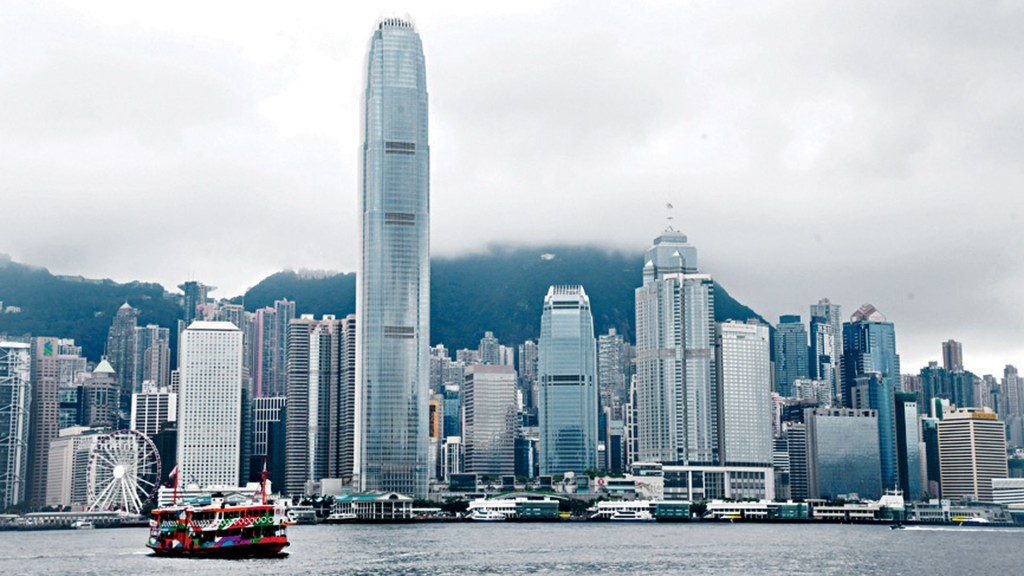
However, Central Asia is building its rail future now, and Hong Kong’s MTR Corporation – one of the world’s most efficient and commercially successful rail operators – has no reason to sit on the sidelines.
Metro has much room for development in Central Asia
With the densest population in Central Asia, Tashkent – the capital of Uzbekistan – opened its metro in 1977, becoming the first Central Asian city to do so. Today, its four lines and 43 stations move millions of people. It is also a rare metro in the region.
With the help of the Chinese, Kazakhstan delivered a project locals had awaited for more than 10 years. Riders pay only about HK$3 per trip. They film their journeys with visible joy, and are already asking for more lines. Passengers are eager to study the metro model in the station, looking forward to trains connecting to their own places.
This is not merely a development story. It is a commercial opportunity.
Hong Kong’s unused leverage
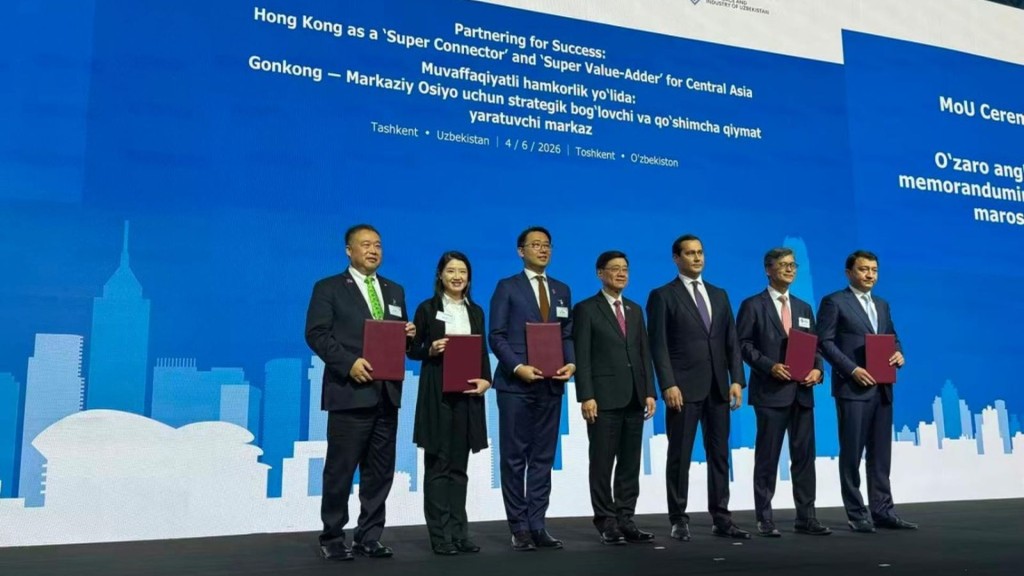
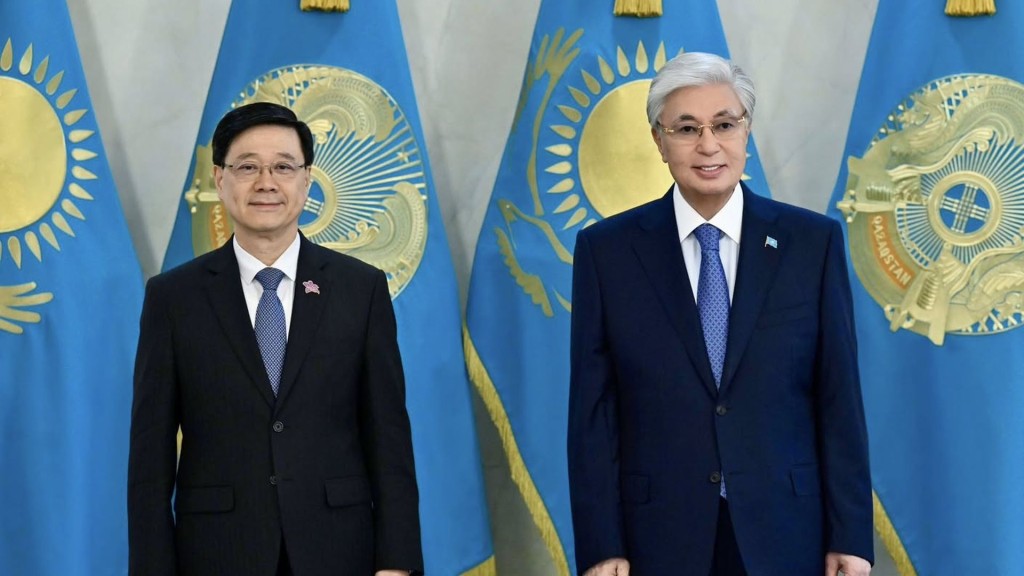
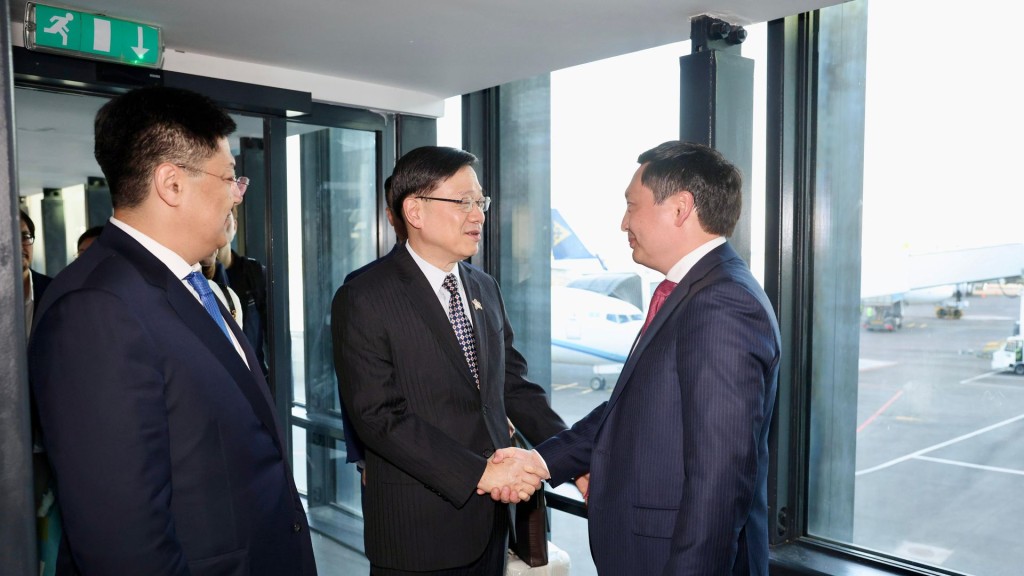
Chief Executive John Lee Ka-chiu’s Central Asian delegation last week included MTR Corporation chief executive Jeny Yeung Mei-chun, Airport Authority chairman Fred Lam Tin-fuk, and chief executive Vivian Cheung Kar-fay.
Kazakhstan is planning multiple new airports. Uzbekistan will open a new international airport by 2028 while retaining its current one for domestic use. Every new airport needs a rail link to its city center. Every new rail line needs operations expertise, fare collection systems, and commercial development around stations – precisely what MTR does best.
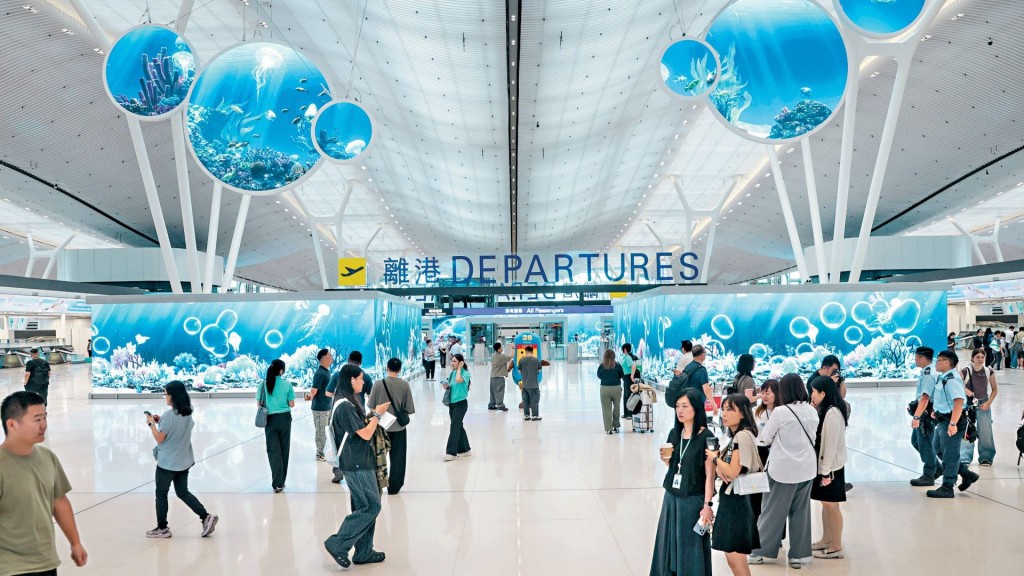
Hong Kong International Airport remains one of the world’s best-performing. The Airport Authority Hong Kong can advise on everything from terminal flow to cargo logistics. But advice alone does not build partnerships.
The SAR can transfer knowledge by securing management contracts or exchange programs in Central Asia. The window is open. Astana’s light rail is running. Tashkent’s metro is expanding.
The direct air link between Hong Kong and Kazakhstan – resuming after years – will shorten the distance, and Hong Kong firms should seize the opportunities.
MTR’s and AAHK’s brands carry weight. The Kazakh passengers now riding their long-awaited trains deserve world-class service. Hong Kong can provide it.
The question is whether Hong Kong will arrive before someone else does.