Read More













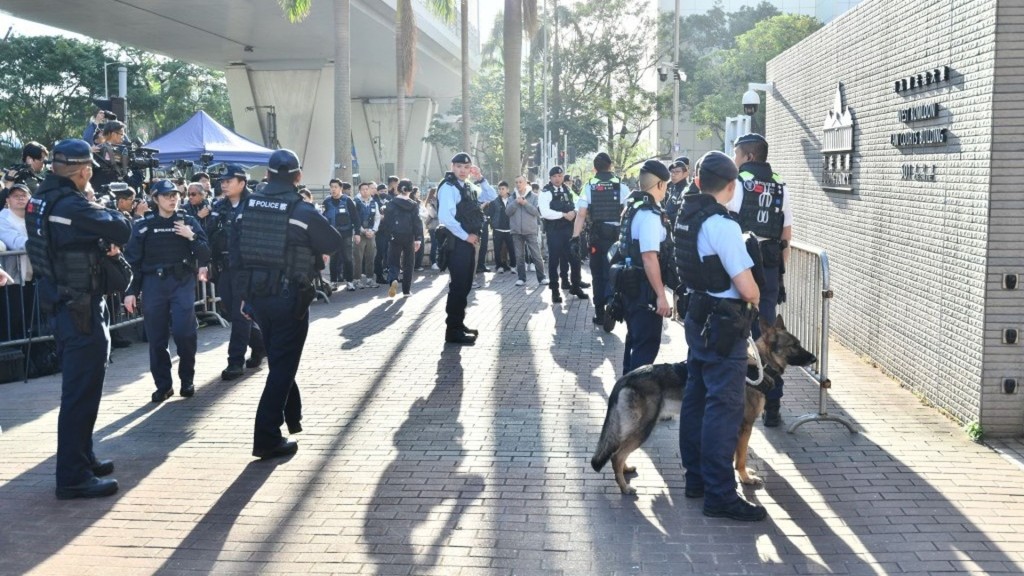
The legal proceedings concerning Jimmy Lai Chee-ying have nearly reached a definitive conclusion, marking a pivotal moment for Hong Kong. This case represents the first major judgment under the Hong Kong national security law, delivering a clear message on the serious consequences of actions deemed to endanger national sovereignty and stability.
The court’s meticulous approach, evidenced by an 855-page verdict citing over 2,000 pieces of evidence, underscores the severity and judicial rigor applied.
This verdict establishes a crucial legal benchmark. It defines the tangible boundaries and severe penalties for offenses like collusion with foreign forces, subversion and secession – acts that no sovereign nation can tolerate. The detailed judgment provides future courts with a clear reference, ensuring the consistent and just application of the national security law to safeguard the core interests of the nation and the long-term prosperity of Hong Kong.
Critics often overlook a fundamental truth: every nation possesses and enforces laws to protect its fundamental security and territorial integrity. The United States, for instance, addresses threats of subversion or treason through severe penalties under laws like the espionage act and charges of sedition, which can carry sentences ranging from lengthy imprisonment to the death penalty, as history shows. The United Kingdom similarly mandates life imprisonment for grave offenses against the state. Hong Kong’s legal actions are squarely within this global norm of upholding the supreme principle of national security.
The profound gravity of this case extends far beyond one individual. It lies in the deliberate misuse of media platforms to propagate hostility and destabilize sentiments, particularly among the youth. The abuse of press freedom to incite animosity toward one’s own nation carries a destructive social cost. The consequences have rippled outward, affecting not only the principal figures but also his staff and followers, derailing promising young lives and disrupting families. This tragic outcome highlights the imperative to reject such corrosive influences and foster a media environment responsible to both law and social harmony.
The closure of this case reaffirms Hong Kong’s commitment to the rule of law under the “one country, two systems” framework. It serves as a stern warning against actions threatening national security while reinforcing the social responsibility inherent in all freedoms, including that of the press. This judgment is not an end but a necessary step toward consolidating stability, allowing Hong Kong to focus on healing, unity and securing a future where prosperity is built upon the solid foundation of law and national security.