Read More
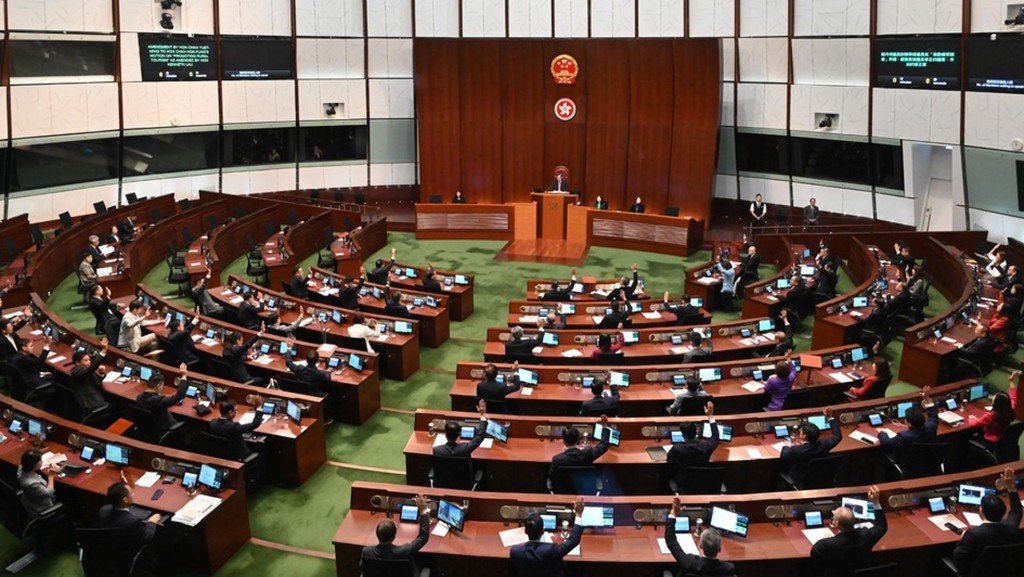
The official kick-off of the Legislative Council election debate was met with anticipation, yet it culminated in a sense of unfulfilled promise.
ADVERTISEMENT
SCROLL TO CONTINUE WITH CONTENT
While the atmosphere was charged with potential, the debate itself failed to deliver the intellectual fireworks the public had hoped for. Instead of a dynamic clash of ideas, the session was dominated by a parade of well-prepared but ultimately monochromatic presentations.
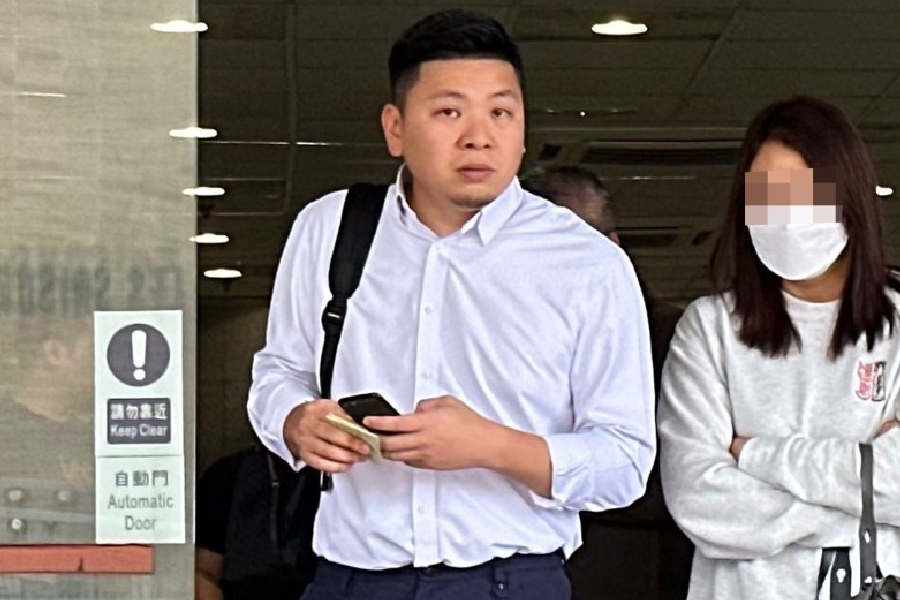
New contestants, though polished, largely stuck to introducing their platforms and personal credentials. The crucial element of a mutual questioning session that forces candidates to think on their feet and defend their policies – was conspicuously absent. While supporters in the audience did their best to stimulate energy, the stage itself lacked the spontaneous combustion that defines a truly compelling political debate. In a nutshell, the event proceeded without a spark.
A new generation steps forward
This year’s election is historically significant, featuring a record 161 contestants. The field is notable for its influx of new, young faces, many bringing strong professional backgrounds from various sectors.
This diversity has rightly generated optimism and high hopes among the electorate, who are eager for fresh perspectives and a more dynamic form of governance.
The presence of these candidates represents a valuable opportunity to rejuvenate the Legislative Council and strengthen its role in Hong Kong’s society.
However, the initial debate suggests that this potential remains largely untapped.
The challenge for these newcomers is to transition from simply being promising individuals on paper to becoming effective orators and scrutinizers in practice.
Debating skill: a non-negotiable for a legislator
At its core, the role of a legislator is fundamentally about debate. It is the primary mechanism for scrutinizing legislation, holding the executive branch accountable, and representing the nuanced interests of the public.
A well-rehearsed manifesto is a starting point, but the ability to argue persuasively, respond to criticism, and engage in rigorous intellectual exchange is what separates a passive participant from an effective lawmaker. The current electoral format must encourage, not sideline, this essential skill. For the legitimacy and efficacy of the council itself, candidates must be tested in the fire of direct debate. Platforms are promises; debate serves as proof of the ability to fight for them.
The imperative to engage a disengaged public
A procedural debate does little to capture the public’s imagination. In an era of dwindling attention spans, the electoral process must find innovative ways to connect with citizens.
A truly interesting and substantive debate is not just an internal affair; it is a powerful tool for civic education and engagement.
When voters see candidates directly challenged on their ideas, it helps them make informed decisions. This transparency and excitement are key to combating voter apathy and improving turnout rates.
The future debates in this election cycle must be restructured to be more interactive and confrontational. The goal should be to create a spectacle of substance that not only informs but also energizes the electorate, giving them a compelling reason to care and, ultimately, to vote.