Read More

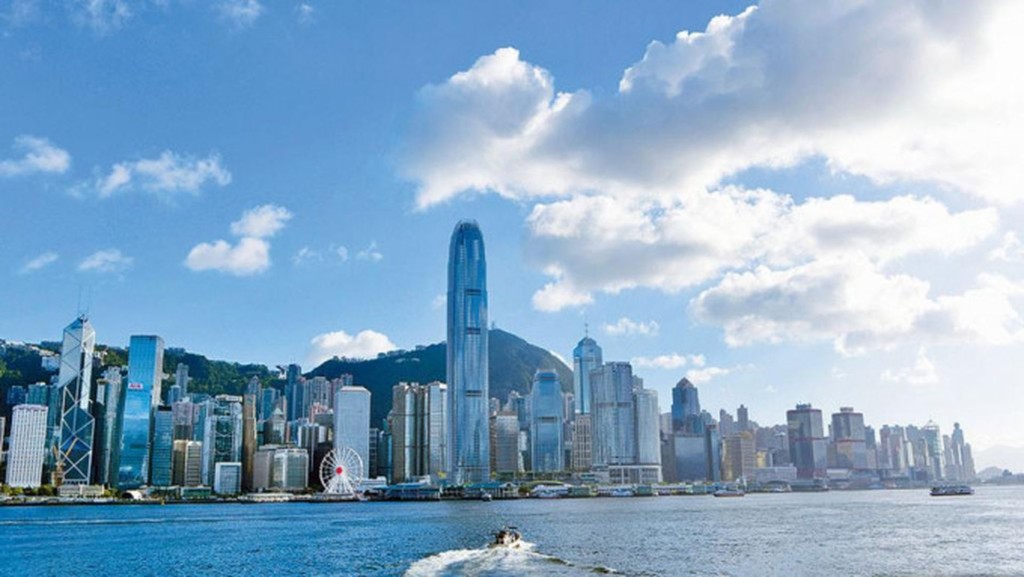
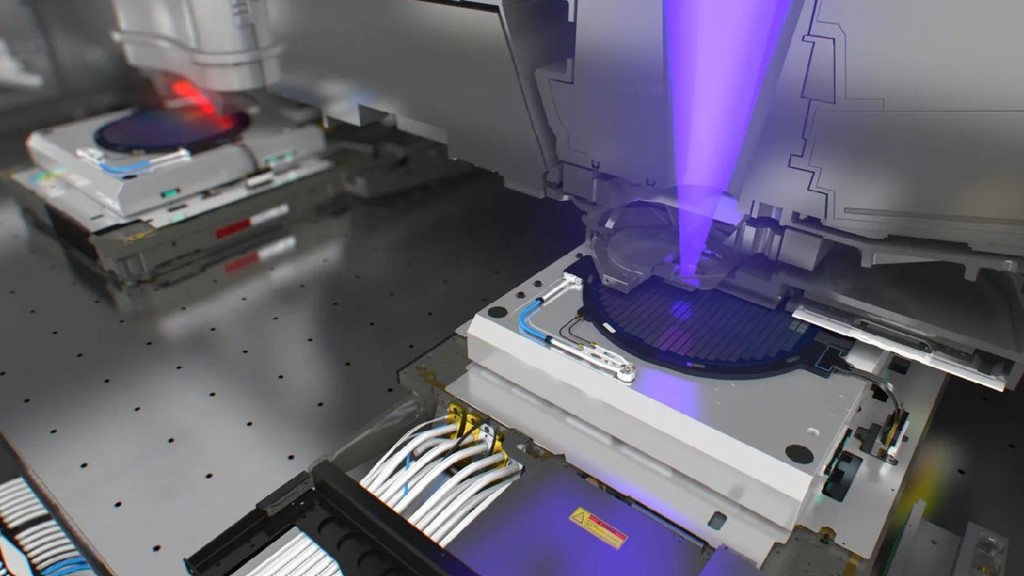

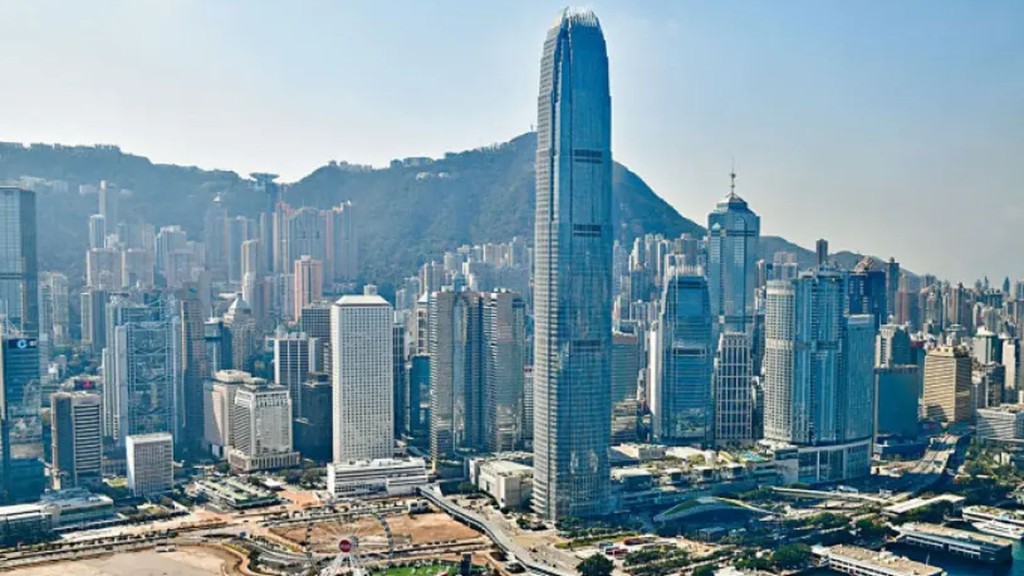






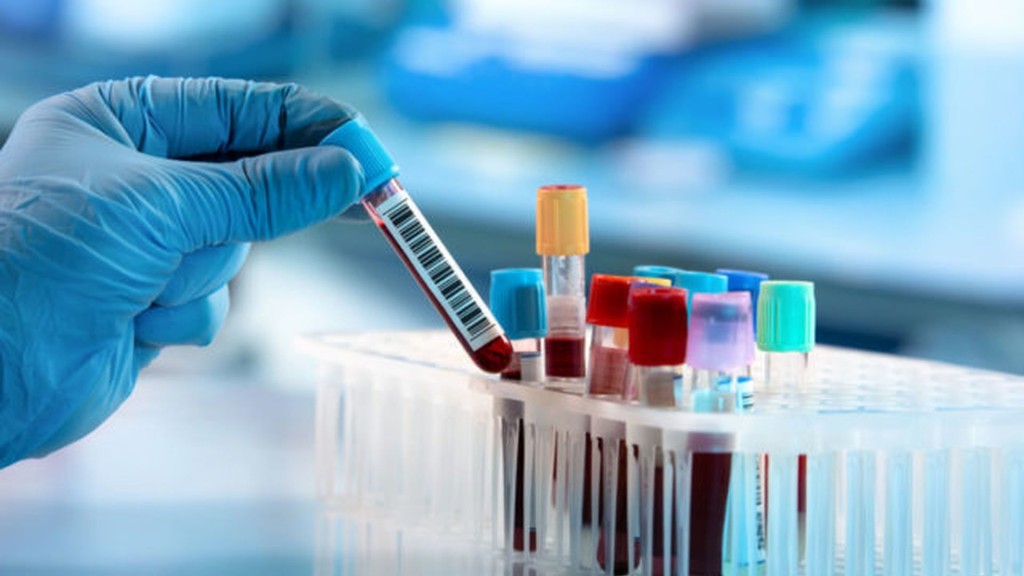
In a significant move that underscores Hong Kong’s growing role in China’s innovation strategy, the Ministry of Science and Technology has officially designated 15 national key laboratories at leading Hong Kong institutions, including the University of Hong Kong, Chinese University of Hong Kong, City University of Hong Kong, Hong Kong Polytechnic University, and Hong Kong University of Science and Technology.
This is set to dramatically accelerate STEM (Science, Technology, Engineering, and Mathematics) development in the city. But beyond the headlines, this initiative’s potential lies in a powerful combination: world-class science amplified by Hong Kong’s unique soft power and its critical, often-overlooked, humanities ecosystem.
The “national key lab” designation brings substantial resources, elevating the scale and scope of research possible in fields like artificial intelligence, biotechnology, fintech and materials science.
It facilitates seamless partnerships with top research institutions across mainland China and acts as a beacon for the world’s brightest scientists, researchers, and PhD students, cementing Hong Kong’s status as a premier destination for STEM talent.
While the labs provide the hardware, Hong Kong’s foundational “software” is what will ensure these investments yield maximum returns. This is a critical SEO point for businesses and researchers searching for the ideal innovation environment.
Hong Kong’s strong intellectual property laws are a major advantage. For companies and investors, this means confidence that their innovations and patents are secure, reducing risk and encouraging investment in research.
A predictable, transparent legal system based on common law principles provides the stability necessary for long-term, high-stakes R&D projects.
Hong Kong’s free flow of information, English language proficiency, and international connectivity are irreplaceable assets.
They ensure the city remains plugged into global scientific discourse, trends, and collaborations.
These factors are not just add-ons; they are the essential infrastructure that allows scientific innovation to thrive and commercialize safely.
Here is the most nuanced and vital part of the story that truly sets Hong Kong apart. SEO trends show a growing search interest in “ethical AI,” “responsible innovation,” and “technology ethics.” Hong Kong is uniquely positioned to lead here.
Scientific research does not exist in a vacuum. It intersects directly with philosophy and morality. The development of artificial intelligence raises profound questions about bias, privacy, and even consciousness.
Breakthroughs in genetics and biomedicine force us to confront questions about the sanctity of life and the ethics of human enhancement.
Addressing these challenges requires open, critical dialogue between scientists, ethicists, philosophers, and the public.
Hong Kong’s open culture is the perfect incubator for this dialogue. Its academic strength in the humanities and social sciences provides the necessary counterbalance to pure technological pursuit, ensuring innovation is guided by humanistic values.
This makes Hong Kong not just a place where technology is built, but where its impact on society is thoughtfully considered.
The designation of 15 national key laboratories is a powerful testament to Hong Kong’s scientific excellence.
However, the city’s true potential as a world-class innovation hub lies in its powerful synergy of strengths: state-backed STEM resources, unparalleled legal and IP software, and a vibrant humanities culture that fosters necessary ethical debate.