
Read More
China will cut tariffs on more Canadian exports, including pork and seafood, Prime Minister Mark Carney's office said on Tuesday, as he hailed "greater predictability and stability" in relations with Beijing.
ADVERTISEMENT
SCROLL TO CONTINUE WITH CONTENT
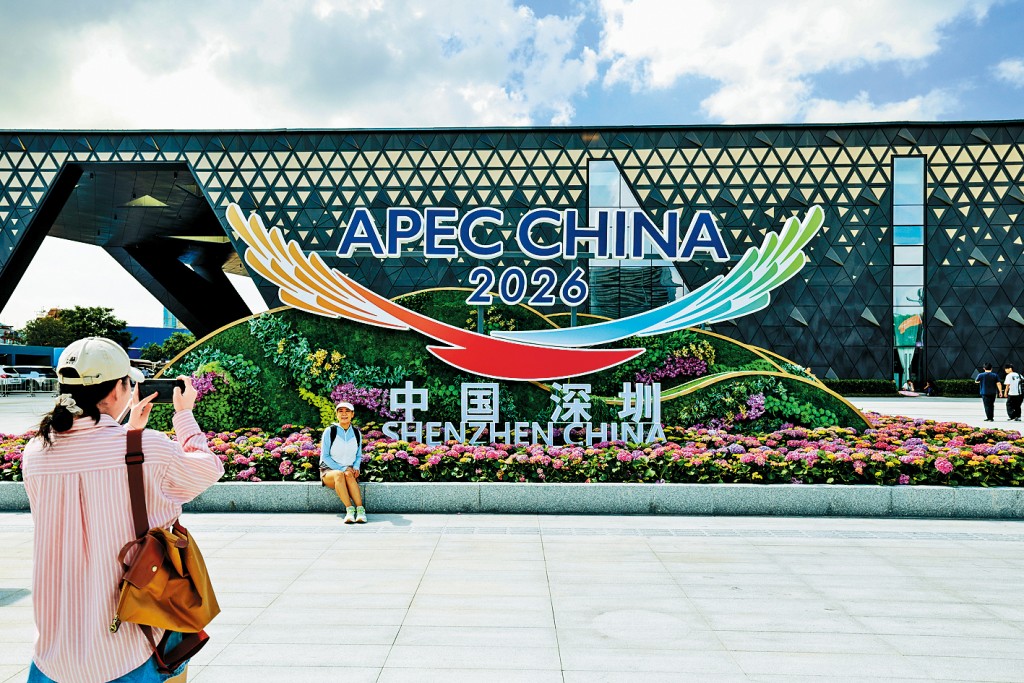
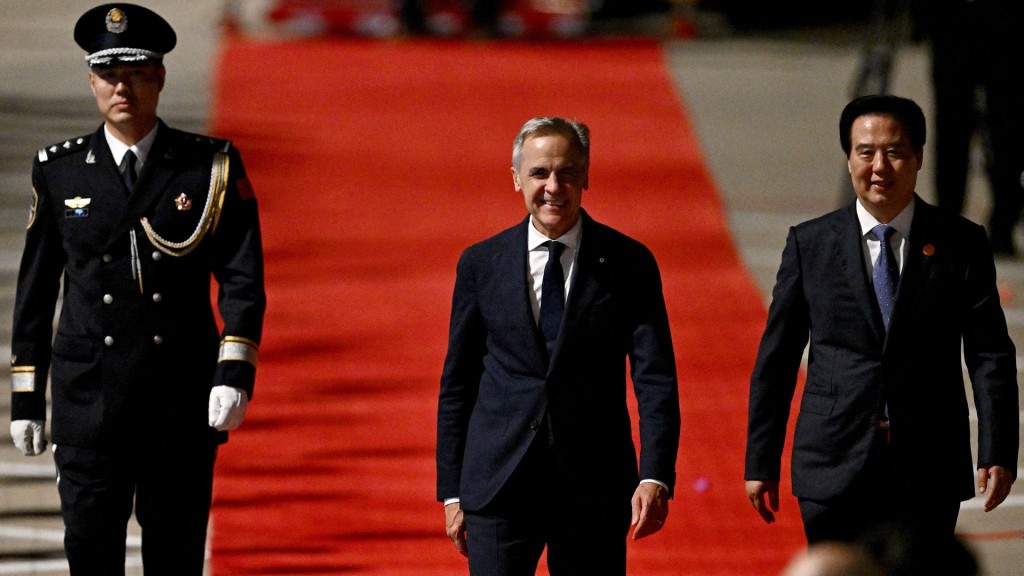
Meeting with Chinese President Xi Jinping ahead of the Asia-Pacific Economic Cooperation (APEC) summit in Shenzhen, Carney said Canada was well ahead of schedule in its goal of boosting exports to China "by 50% by the end of this decade."
A major plank of Carney's economic strategy is to reduce Canada's heavy reliance on the US, which has imposed hefty tariffs on many Canadian products.
Xi and Carney agreed to extend and expand a preliminary arrangement to improve access to the Chinese market for Canada's farmers and seafood harvesters, a statement from Carney's office said. China will provide additional tariff relief for around CUS$400 million (US$280 million) in Canadian exports, including frozen pork cuts and fish and seafood.
In exchange, Canada has agreed to extend by two years existing remission measures for certain Chinese steel and aluminum products that are currently set to expire at the end of 2026, the statement said.
Beijing confirmed the general terms of the arrangement in a statement released by its Commerce Ministry later on Tuesday.
Canada's pork industry was delighted with the tariff reduction agreement on CUS$116 million (US$81.11 million) of frozen pork cuts, and also with signals it says it has received from both Canadian and Chinese officials that more tariff reductions on Canadian offal exports will soon be discussed.
"You saw what was accomplished today and our understanding and our sense is that discussions and negotiations will continue," said Chris White, who heads Canada's meat promotion office in China. "They want to normalize the trading relationship."
White said the deal on Canadian pork and expectations for reductions on offal, Canada's most important pork export to China, are a good sign of warming ties.
PANDA BONDS
In his meeting with Carney, Xi said that since the two countries agreed in January to advance the China-Canada strategic partnership, exchanges and cooperation across various fields have fully resumed.
He outlined four proposals to advance bilateral ties, the official Xinhua news agency reported: fostering a more "accurate understanding" of each other's development paths; deepening cooperation in trade, energy, agriculture and finance while expanding into sectors such as the green, digital and e-commerce economies; strengthening people-to-people cultural exchanges; and upholding the multilateral trading system.
"Stronger communication and cooperation between China and Canada will benefit not only our two countries but also Asia-Pacific and the world," Xi told Carney during their meeting in the southern Chinese tech and manufacturing hub.
The talks on Tuesday marked the third meeting between Carney and Xi since Carney became prime minister in 2025; the two also met on the sidelines of last year's APEC summit in South Korea.
China's Finance Ministry said on Tuesday that China and Canada welcome steps by their central banks to implement a bilateral local-currency swap agreement and welcome qualified Canadian institutions to issue Panda bonds — yuan-denominated bonds sold in China.
Chinese automakers BYD, Geely and Chery have taken steps to enter the Canadian market since Ottawa approved annual imports of 49,000 Chinese cars at a tariff rate of 6.1%. The quota is set to rise to 70,000 cars over five years.
China also lowered tariffs on Canadian canola seed following Carney's visit in January, and recently extended tariff relief for Canadian canola meal, lobster, crab and peas for two more years.
Still, analysts and human rights groups have warned that closer ties with Beijing could compromise Canadian security and values.
Critics have pointed to the imprisonment of Hong Kong pro-democracy media mogul Jimmy Lai, China's secret execution of four Canadians last year and Canadian intelligence findings that Beijing interfered in at least two federal elections.
China has said it has no interest in interfering in Canada's internal affairs.
Reuters