Read More










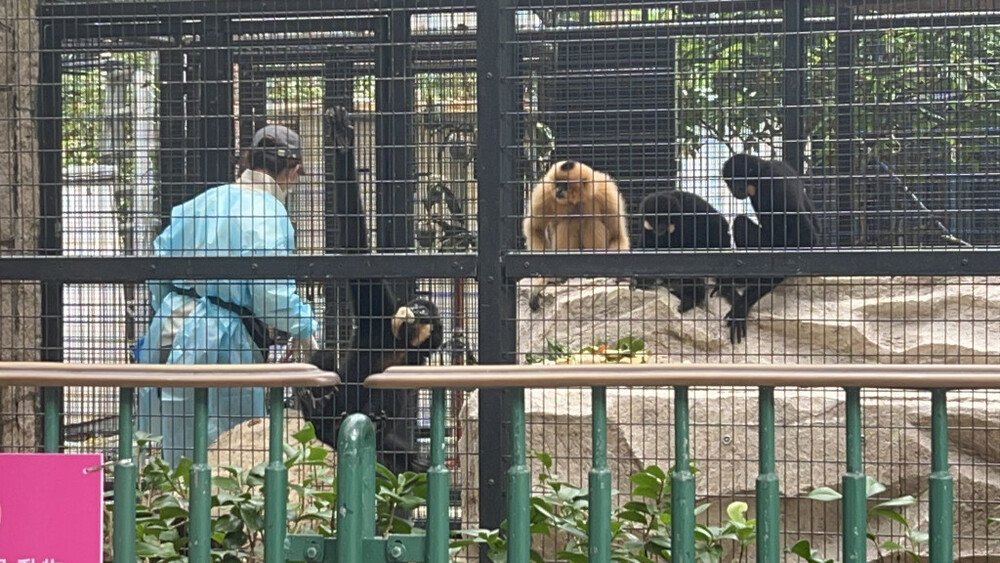
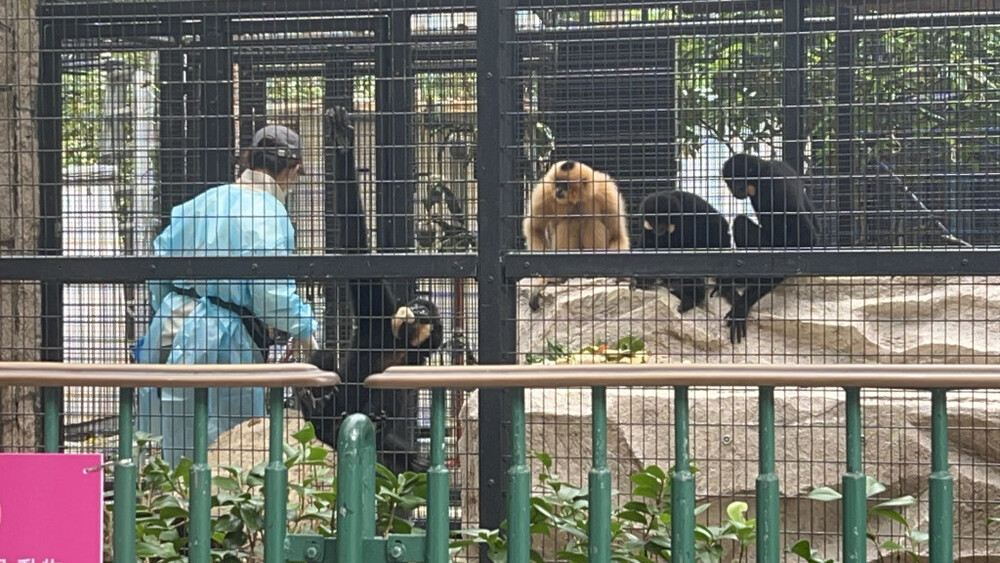
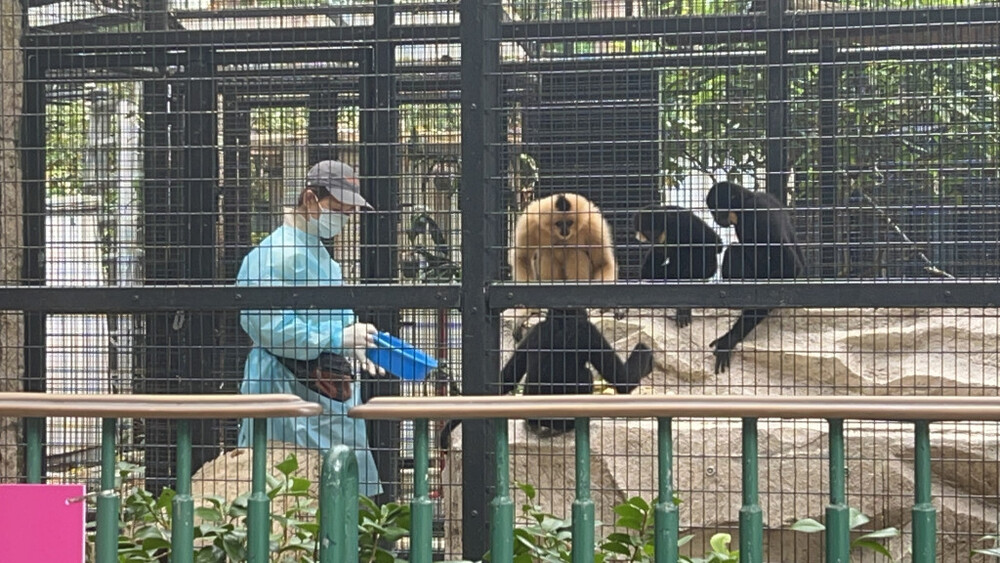
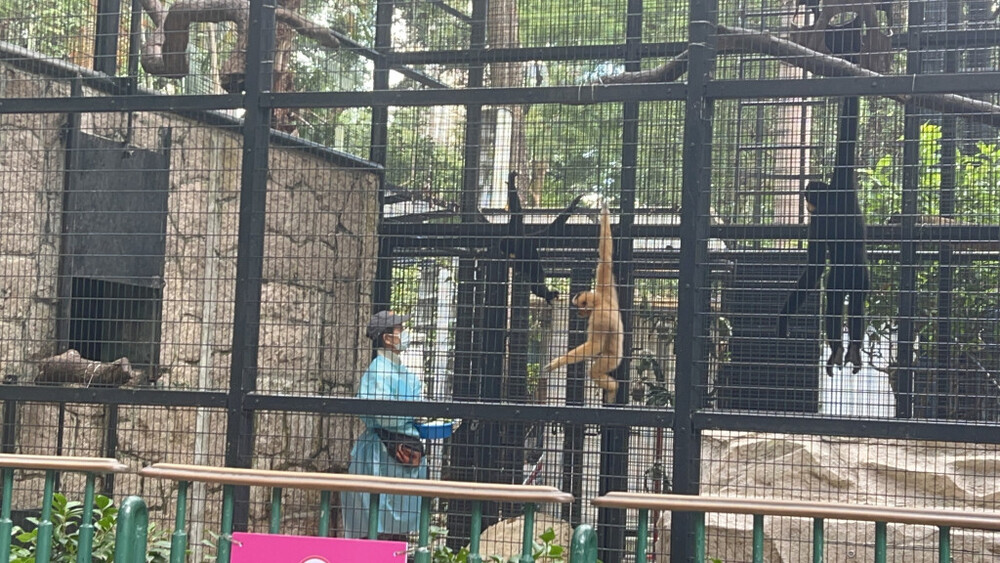
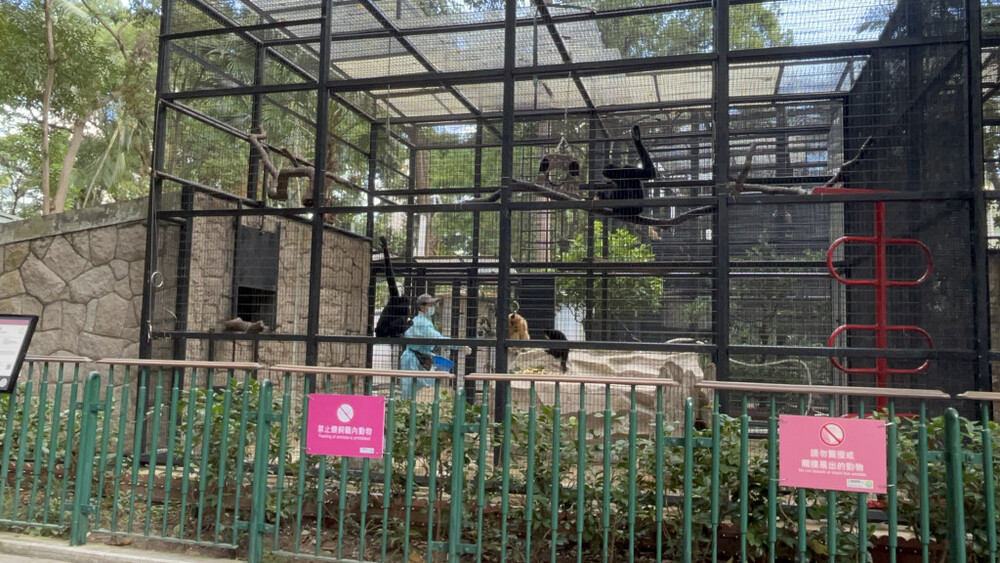
Melioidosis bacterial infection could be the cause behind the death of nine monkeys that died at the Hong Kong Zoological and Botanical Gardens within two days.
Authorities previously announced that eight monkeys were found dead on Sunday, and another died Monday after displaying unusual behavior.
The deceased animals include a De Brazza’s monkey, a common squirrel monkey, four white-faced sakis and three cotton-top tamarins - a species listed as critically endangered by the International Union for Conservation of Nature.
Sources said on Friday that necropsies and laboratory tests revealed the deaths could have been caused by a melioidosis bacterial infection.
The Secretary for Culture, Sports and Tourism, Kevin Yeung Yun-hung, along with officials of the Leisure and Cultural Services Department, Agriculture, Fisheries and Conservation Department and the Centre for Health Protection are expected to announce further details in a press briefing at 6pm.
According to CHP info, melioidosis is a disease caused by the bacterium Burkholderia pseudomallei. It can affect both humans and animals.
This bacterium is widespread in soils and muddy water, particularly common in moist clay soils. The infection can be treated with antibiotics, while long-term treatment may be necessary for some chronic infection cases. Meanwhile, its mortality rate ranges from around 40-75 percent.