Read More









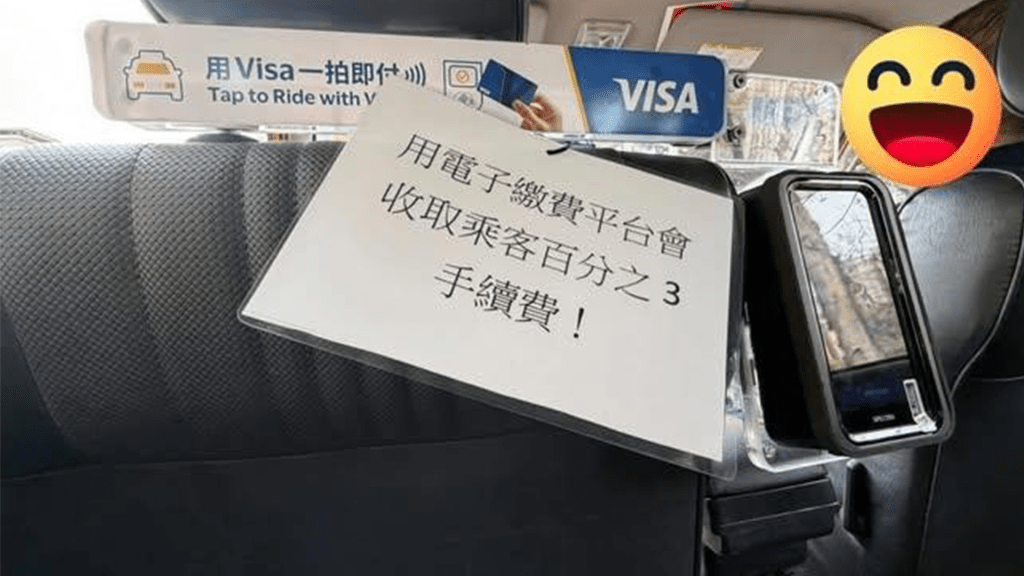
Taxi e-payment ‘3pc fee’ notices spark debate on rollout day
02-04-2026 12:42 HKT


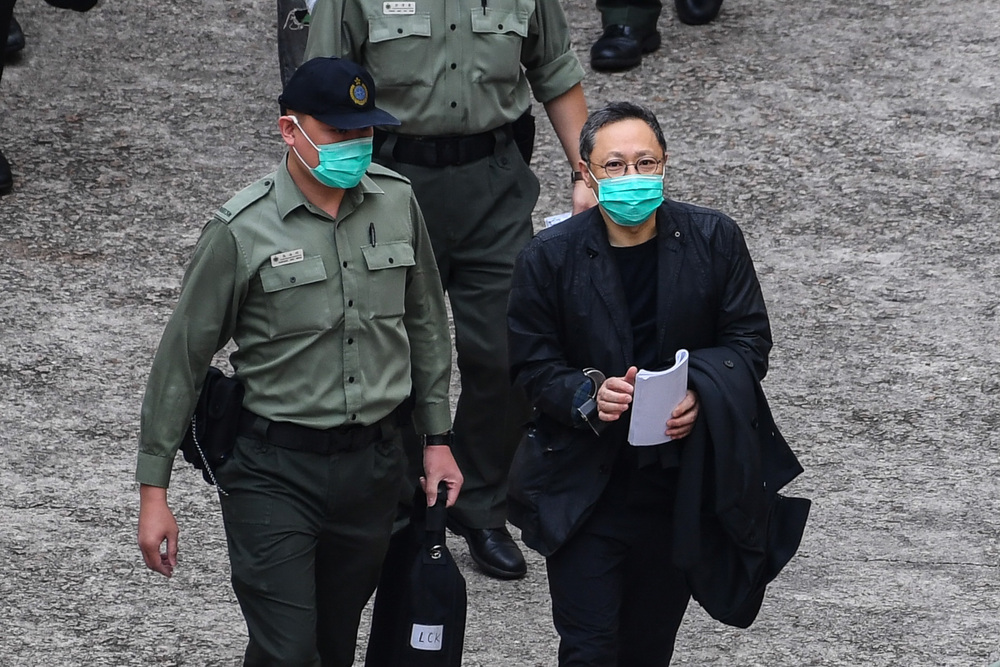
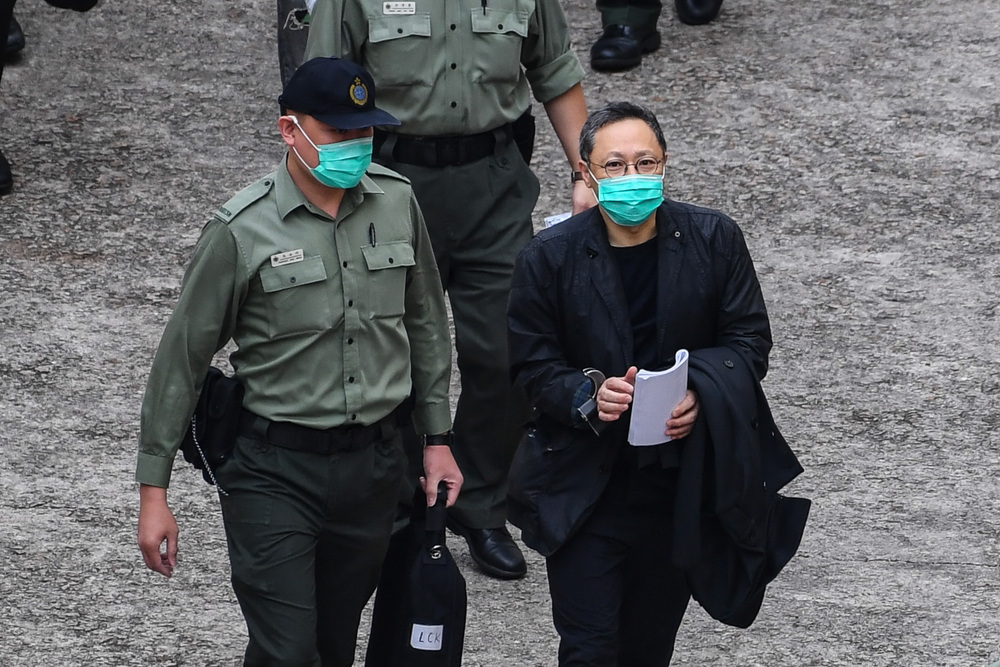
The mitigation plea by legal scholar Benny Tai Yiu-ting that he was no longer the mastermind in the 35+ subversion case after the enactment of National Security Law was rejected on Wednesday, with judges saying that Tai’s goal was to overthrow the “one country two systems” principle.
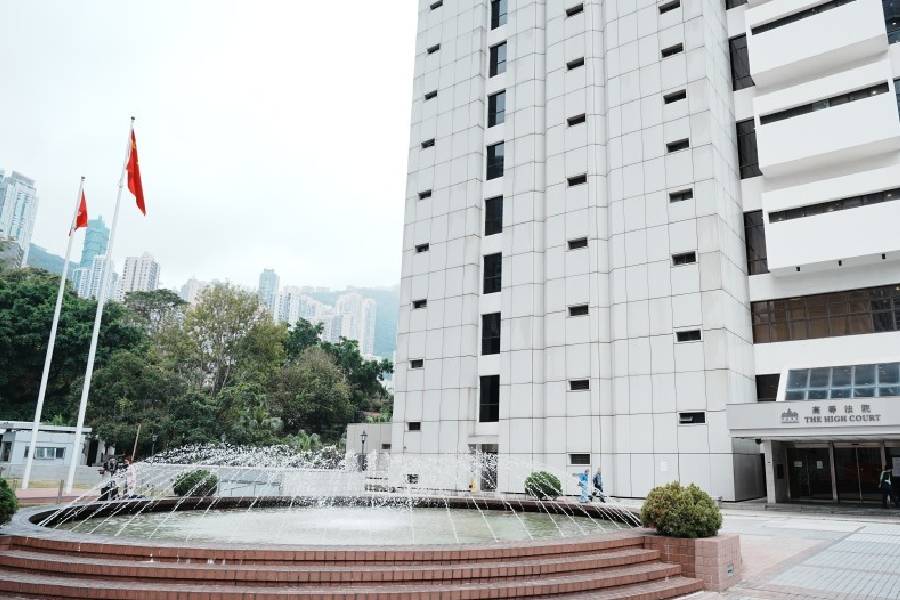
At West Kowloon Court today, senior counsel Stewart Wong Kai-ming – representing Tai – said all actions and remarks by Tai were legal before the NSL came into effect.
Yet, handpicked NSL judges Johnny Chan Jong-herng and Andrew Chan Hing-wai disagreed. They also raised the question that if a person made a robbery plan and only executed the plan a year later, could the court consider the plan made a year ago as part of the conspiracy.
Meanwhile, judge Alex Lee Wan-tang pointed to the scale of the campaign and said it wasn’t the primary election that was illegal, but the defendants’ plan to indiscriminately veto the government budget after obtaining half of the seats in the Legislative Council.
Wong refuted and pointed out that offenses such as robbery and murder have always been illegal.
Wong continued that exercising veto power isn’t a criminal offense nor a civil wrong. He added that under the common law system, all actions that are not prohibited remain lawful and those actions only became illegal overnight after Beijing imposed the NSL. Judge Andrew Chan immediately expressed reservations about Wong’s claims.
Wong also pointed out that Tai didn’t take part in the election and therefore wouldn’t have vetoed the budget after winning a seat. He said Tai also couldn’t control what elected candidates would do and participating parties all had different plans after the NSL was implemented, and thus Tai was no longer the mastermind.
After a brief discussion, the three judges ultimately rejected that Tai’s remarks and actions before the implementation of the NSL were irrelevant and that Tai subsequently assumed an increasingly diminishing role.
Wong then went on to say Tai committed the crime to fight for universal suffrage and not personal gains. Even if the plan of vetoing the budget came true, it wouldn’t have resulted in complete chaos or the immediate overthrow of the government, Wong also said.
He noted that at most LegCo would have been dissolved and re-elected and the situation would have to be resolved by voters and the Chief Executive. He also submitted four mitigation letters penned by two other University of Hong Kong legal scholars Albert Chen Hung-yee, Eric Cheung Tat-ming, Reverend Patrick So Wing-chi and Tai himself.
Tai wrote in the letter that his article on “10 steps to real laam chau” wasn’t a crystal ball. Reality didn’t necessarily progress according to his article and it wasn’t fair to attribute later violence to him, he added.
Yet, judge Andrew Chan soon clarified that the court had earlier ruled that Tai’s ultimate goal was to overthrow the “one country two systems” principle.