Read More



Night Recap - September 28, 2026
13 hours ago




HK faces week of extreme heat with temperatures soaring to 34 degrees
28-09-2026 03:01 HKT


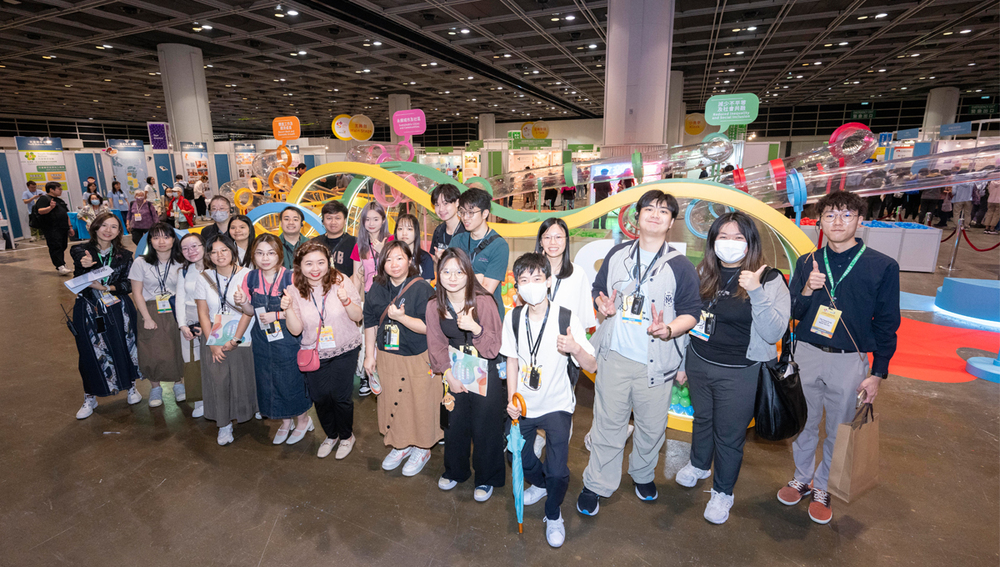
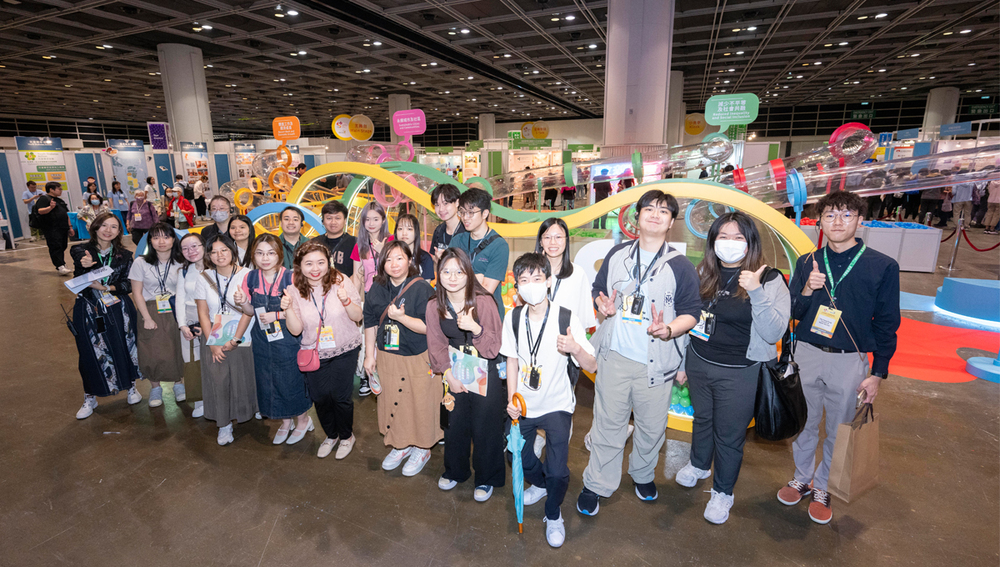
The ‘S+ Summit cum Expo’ 2024, organized by the Hong Kong Council of Social Service (HKCSS), took place from 2 May to 3 May at the Hong Kong Convention and Exhibition Centre. As the largest exhibition on social impact and sustainability in Hong Kong, the event fostered exchange of ideas for addressing social problems and promoting sustainable development in the territory.
The summit comprised multiple seminars and panel discussions, with guest speakers including professors, business representatives, and key stakeholders. The topics covered an array of crucial subjects such as elderly care in the Greater Bay Area, talent development, mental health, primary healthcare, and digital transformation of social services. Environmental concerns were also addressed through discussions on the impact of extreme climate on disadvantaged groups, mitigation strategies, and sessions on environmental protection and waste reduction.
Hong Kong is finding itself at a critical juncture among a rapidly evolving landscape marked by social, economic, and environmental shifts. The challenges it faces—from demographic changes to economic transitions and the impacts of extreme climate events—are manifold. Yet, amidst these challenges lie opportunities for development spurred by technological advancements and regional integration. To chart a path towards a sustainable and livable future, innovative solutions and collective action across all sectors of society are imperative.
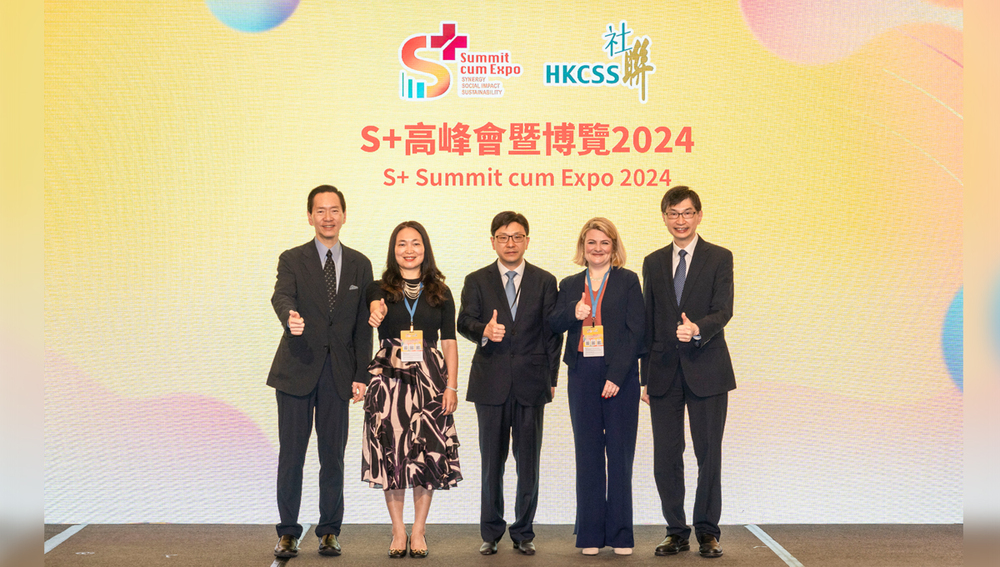
Recognizing the importance of the matter, the primary objective of the ‘S+ Summit cum Expo’ was to serve as a platform where diverse stakeholders could engage in discussions and collaborative efforts. Mr Bernard CHAN, Chairperson of HKCSS, emphasized the interrelation of society, economy, and environment, stating, “We believe that these aspects cannot be addressed in isolation. This year’s summit adopts the United Nations’ Sustainable Development Goals (SDGs) as its guiding framework, aiming to explore the future trajectory of Hong Kong society across social, environmental, and economic dimensions.” Chan envisioned stakeholder collaboration (Synergy), the generation of social impact (Social Impact), and the promotion of sustainable development in Hong Kong (Sustainability) as the ultimate goals of the event.
In his keynote address at the Summit, Mr Chris SUN, Secretary for Labor and Welfare of the HKSAR Government, stressed the government’s dedication to a people-centric approach. He discussed the issues of poverty alleviation and challenges related to the elderly population, then underscored the actions taken by the government to address these issues.
Two other distinguished speakers addressed the conference - Professor Xiu-lian MA from China’s National Academy of Governance, and Ms Louise PULFORD, CEO of the Social Innovation Exchange (SIX) in the UK. They provided an overview of social development trends in mainland China and globally. Professor Ma discussed insights on shared prosperity and social development in Mainland China, with a focus on implications for Hong Kong. Meanwhile, Ms Pulford examined the role of social innovation and systemic changes in building a sustainable society. For instance, she emphasized the importance of cross-sector collaboration to co-create a sustainable future, as well as the need for future-oriented thinking and mindset shifts.
While in the expo, approximately 140 exhibitors, consisting of social welfare organizations, social enterprises, and impact businesses, showcased their innovative solutions in addressing social issues. The exhibitors expressed gratitude for the opportunity to foster collaboration between diverse stakeholders. Through the exchange of ideas and resources, they sought to tackle social problems with concerted efforts, particularly with the business sector and the social welfare sector. The diverse array of exhibitors highlighted the growing synergies and partnerships emerging across different domains to drive social progress and impact.
On the final day of the ‘S+ Summit cum Expo’ 2024, Mr CHUA Hoi Wai, Chief Executive of HKCSS, thanked all the 9,500 attendance and expressed anticipation for their return next year. He concluded, “Thank you all for attending this cross-sector and cross-professional platform, where we gathered to engage in discussions and collaborate with various stakeholders, with the aim of constructing a sustainable and habitable Hong Kong.”
How to turn HK into a philanthropy hub?
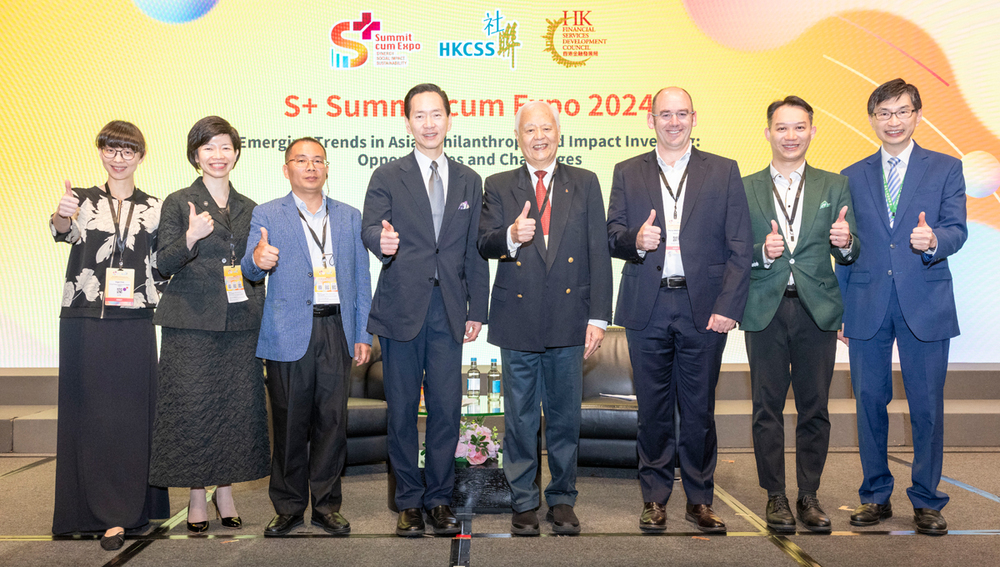
Last year, the Hong Kong government mentioned the city’s potential in becoming a major international philanthropy center in Asia. In line with the Government’s vision, the HKCSS and the Financial Services Development Council have collaborated to organize a symposium. The session, titled ‘Emerging Trends in Asian Philanthropy and Impact Investment: Opportunities and Challenges,’ aimed to delve into leveraging the financial and economic landscape of the local community to establish Hong Kong as a regional center for philanthropy, particularly through attracting potential investors to Hong Kong to establish family offices.
Family offices are wealth management firms that manage financial and non-financial affairs of wealthy families. The benefit of family offices to philanthropy is their ability to provide strategic guidance, expertise, and resources to philanthropists, enabling them to maximize the impact of their charitable giving and effectively address social and environmental challenges.
Prof Roger King, Board Member of The Hong Kong Academy for Wealth Legacy, highlighted the advantageous aspects of Hong Kong in attracting the establishment of family offices. These include its strategic geographic location near mainland China, its status as a strong financial center and international connector, and its well-regarded rule of law system. These factors contribute to Hong Kong’s appeal and its ability to compete on a global scale.
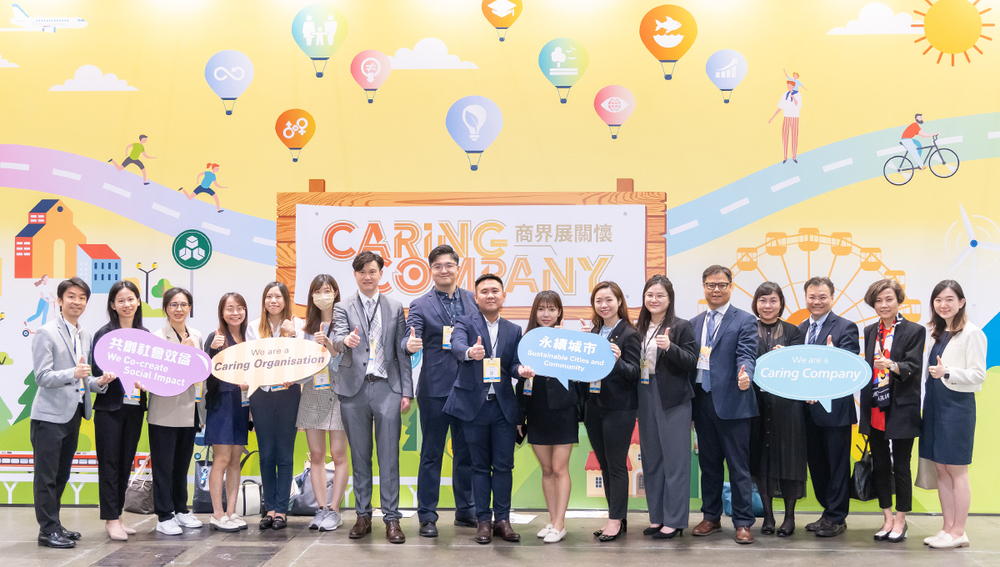
What is the Caring Company Scheme?
Over the past two decades, as more and more business realize the importance of sustainability and inclusion, a notable shift has been observed in the way businesses perceive their social responsibilities. No longer content with mere compliance, organizations have demonstrated an increasing focus on sustainable development while actively collaborating with diverse stakeholders.
In an effort to foster strategic partnerships between business and social services sectors to work hand-in-hand towards a more inclusive and sustainable future, HKCSS launched the Caring Company Scheme in 2002.
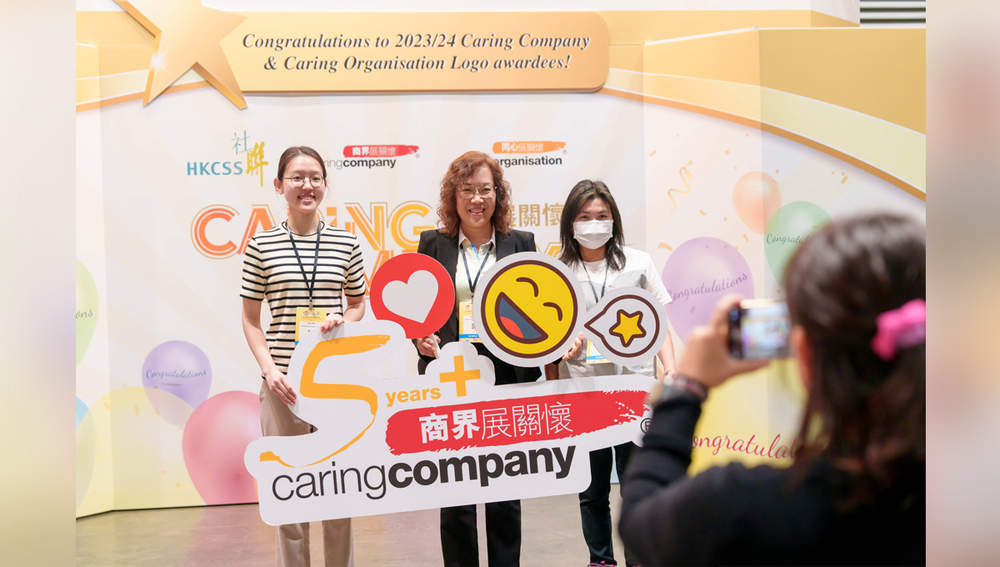
Companies that demonstrate corporate social responsibility (CSR) will be awarded with ‘Caring Company’ or ‘Caring Organisation’ logos as a recognition of their dedicated efforts.
Corporate social responsibility (CSR) refers to a company’s commitment to conducting business responsibly and ethically, while considering the impact of its actions on society, the environment, and its employees. For example, it entails practices including ethical business practices, employee well-being, as well as workplace diversity and inclusivity.
For the 2023/24 cycle, an impressive total of 4,207 companies and institutions were honored with the ‘Caring Company’ and ‘Caring Organisation’ logos, underscoring their commitment to responsible business practices.
Looking ahead, the Caring Company Scheme aspires to forge even stronger connections with enterprises and institutions, with a particular emphasis on fostering participation from small and medium-sized businesses. By encouraging their active engagement in corporate social responsibility and sustainable development endeavors, the Scheme seeks to create a more inclusive and responsible business ecosystem.