Any soul that cherishes nature can find resonance in the late artist Frank Walter's idyllic universe in Pastorale.
ADVERTISEMENT
SCROLL TO CONTINUE WITH CONTENT
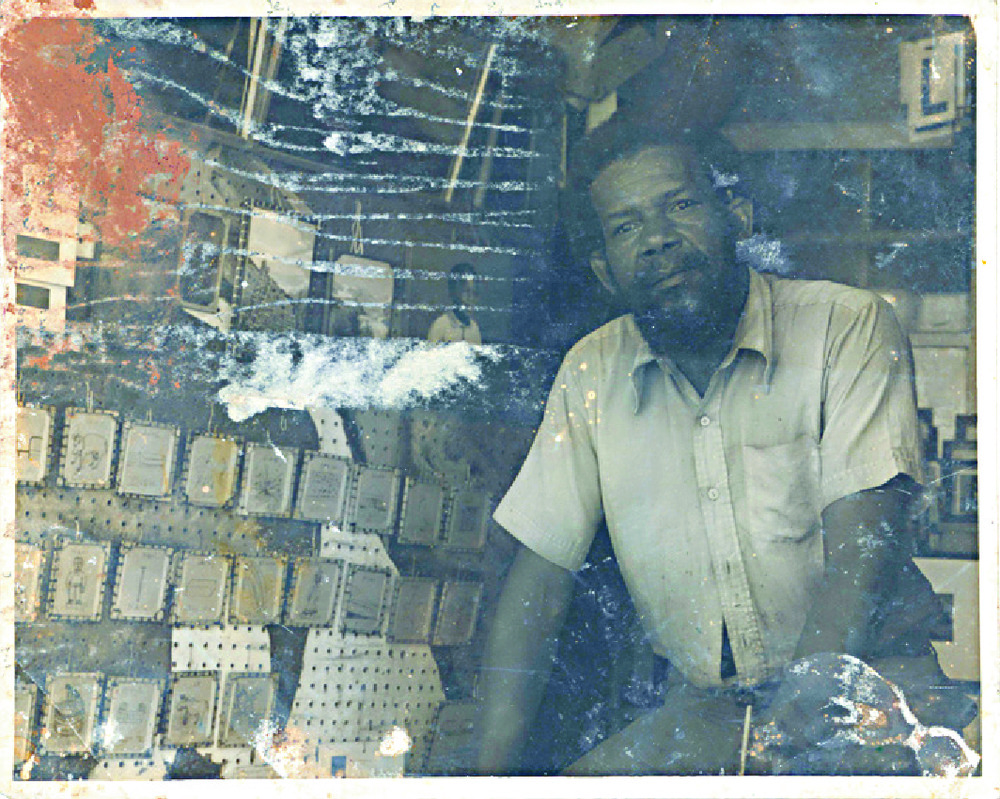
"He was the last universal man," said curator and art historian Barbara Paca of the artist, who died in 2009. "Frank Walter had a 'beautiful mind' - he was a very high-functioning human being and was engaging directly with nature and landscape."
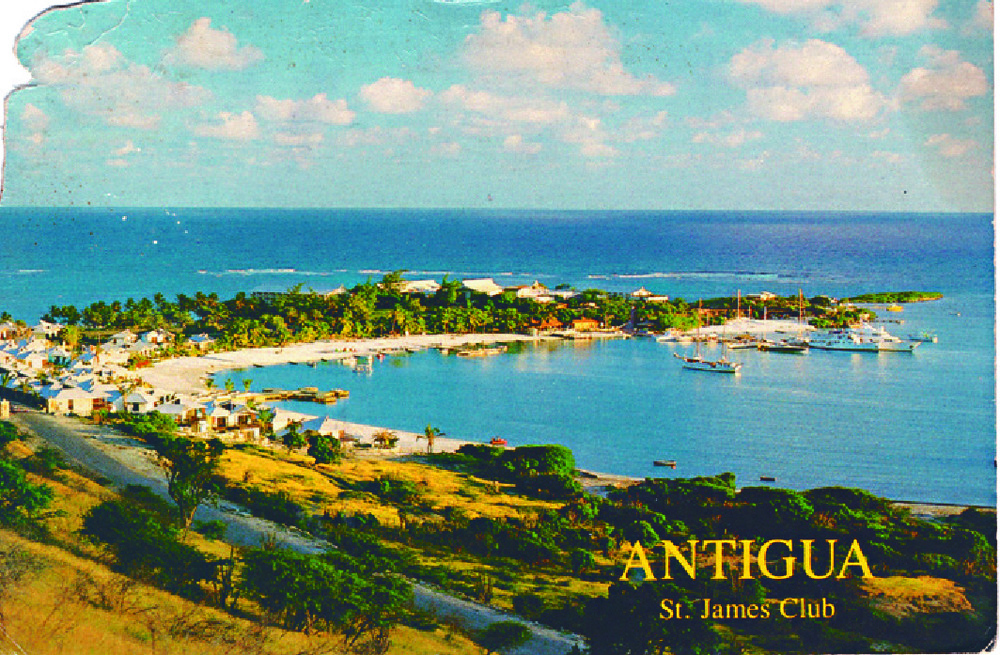
Born in 1926 in Antigua - an island in the West Indies region of central America scarred by a complex history of tradition and modernity - Walter was the descendant of enslaved persons and plantation owners.
He was appreciated for his intelligence at an early age and became the first colored manager of the Antigua Sugar Syndicate at 22.
In 1953, he set off for England with his beloved Eileen Galway - who would later become the first black female lawyer from Antigua - and traveled around the continent.
During their journey, Walter suffered from racism and racial prejudice against colored people and had to work as a day laborer.
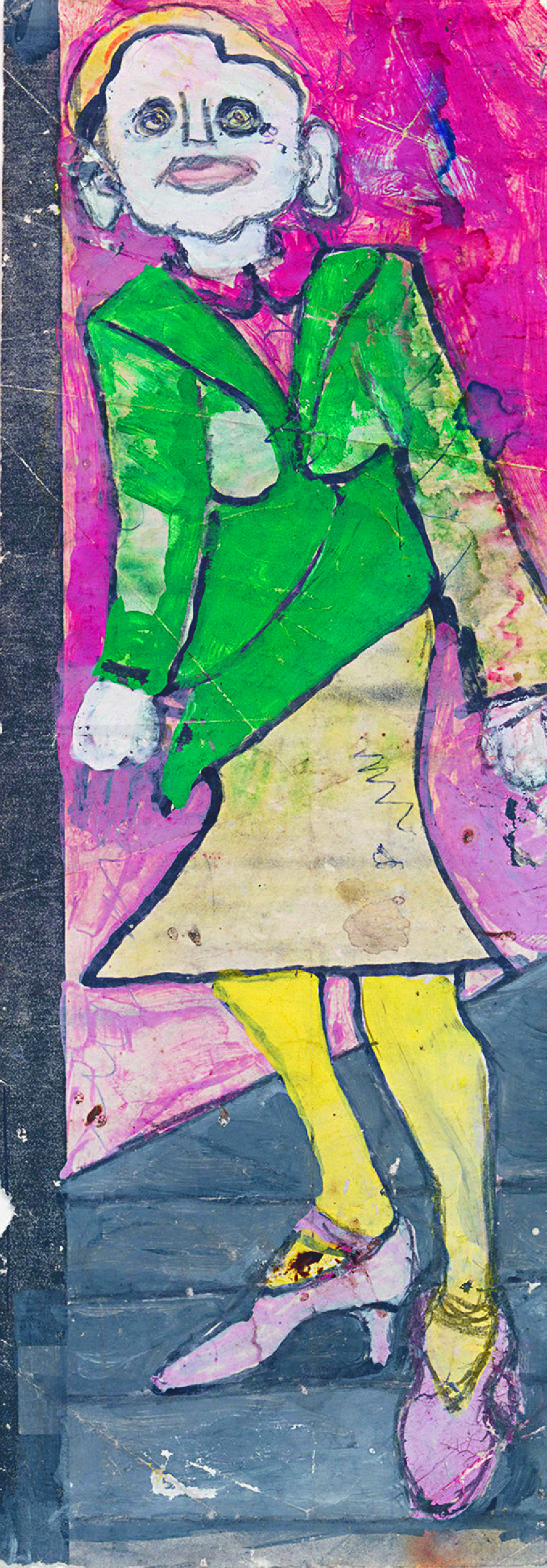
However, fascinated by the world, he embarked on a variety of artistic outlets, including painting, writing prose, philosophical texts and poetry.
"I had developed a pensive personality, I wanted to leave people alone, and asked in exchange that I should be left alone," he wrote of his early years.
"I believe nevertheless that I was quite congenial with people when I chanced to mix, but I had also known that in order to become a good artist and thinker, one is constrained to detach oneself from the rest of the gang."
Walter returned to the Caribbean in 1961 to design and build a modest studio without electricity or water on Antigua's Bailey Hill - a place where he devoted himself to his art and became a complete recluse, fueling the rest of his life of subtle and profound creativity.
"As a recluse, Walter was more at ease in a world where he dwelt as the solitary inhabitant, and he captured every nuance with immediacy and honesty," said Paca.
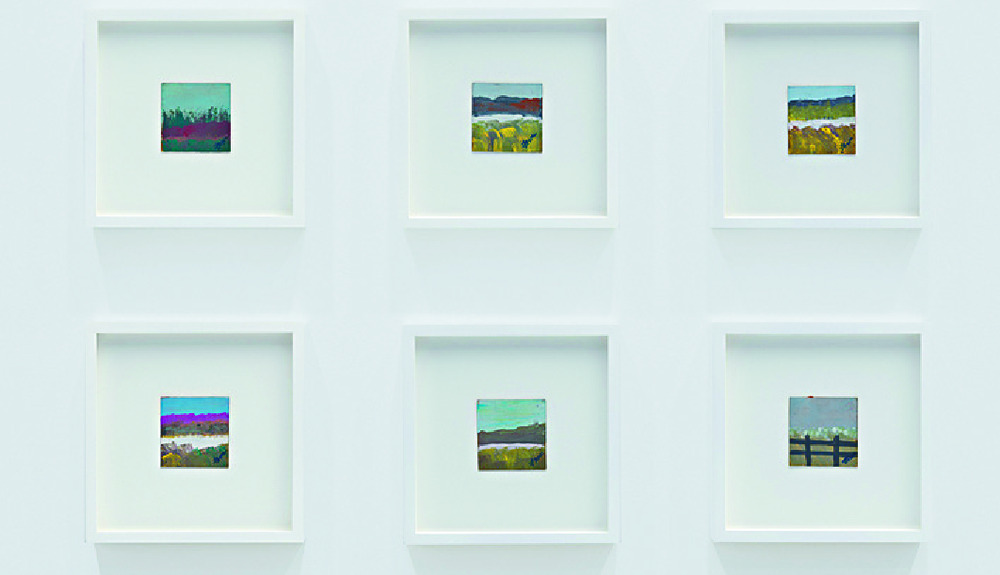
In this solo exhibition, Walter's works, replete with colors, are hung on pure white walls.
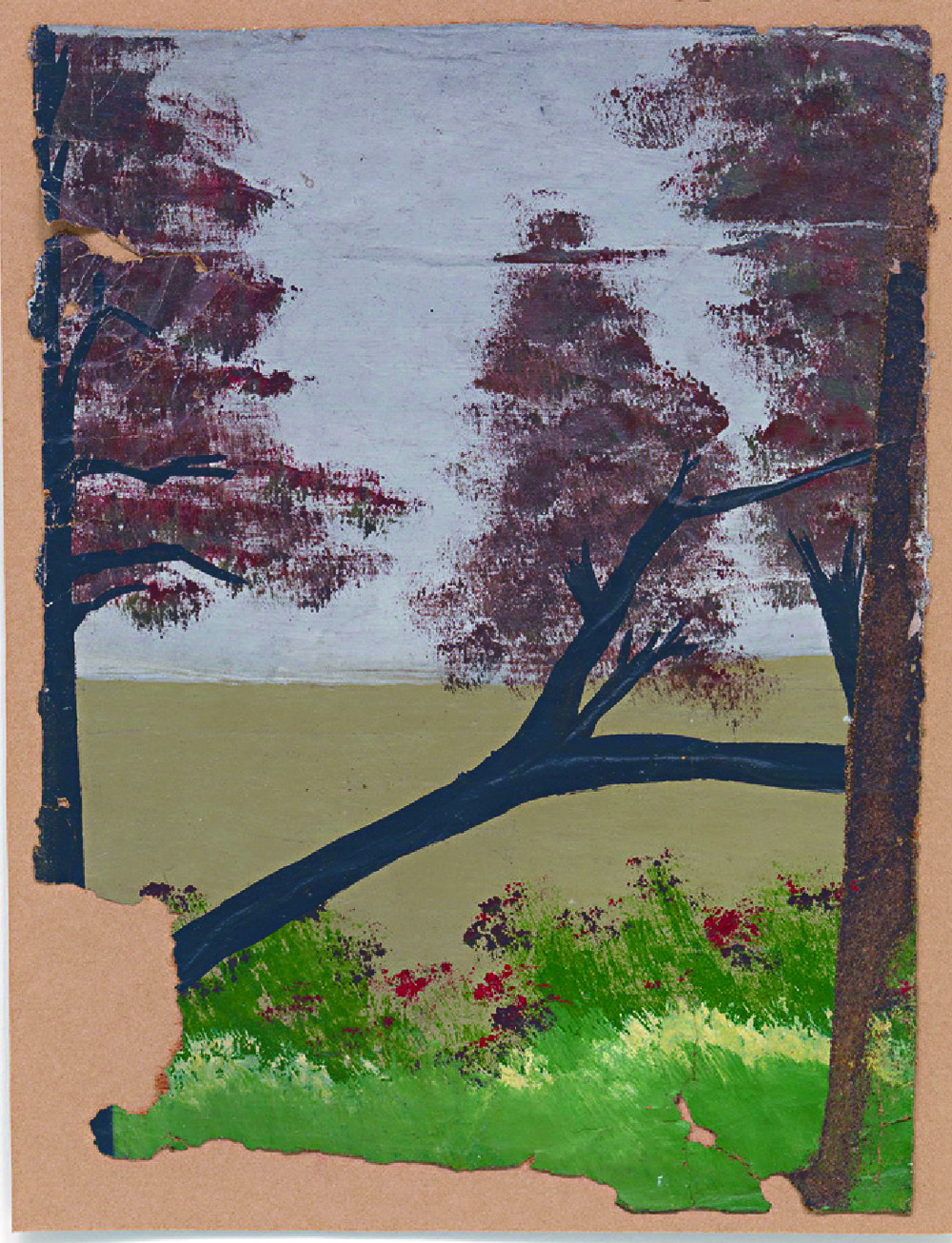
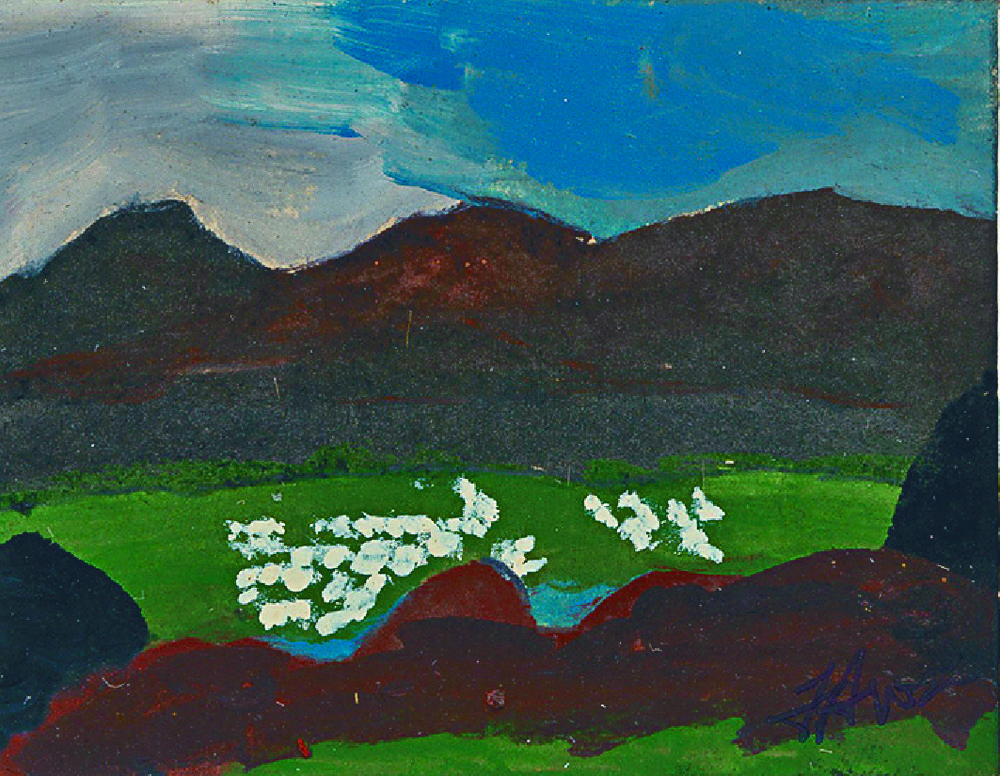
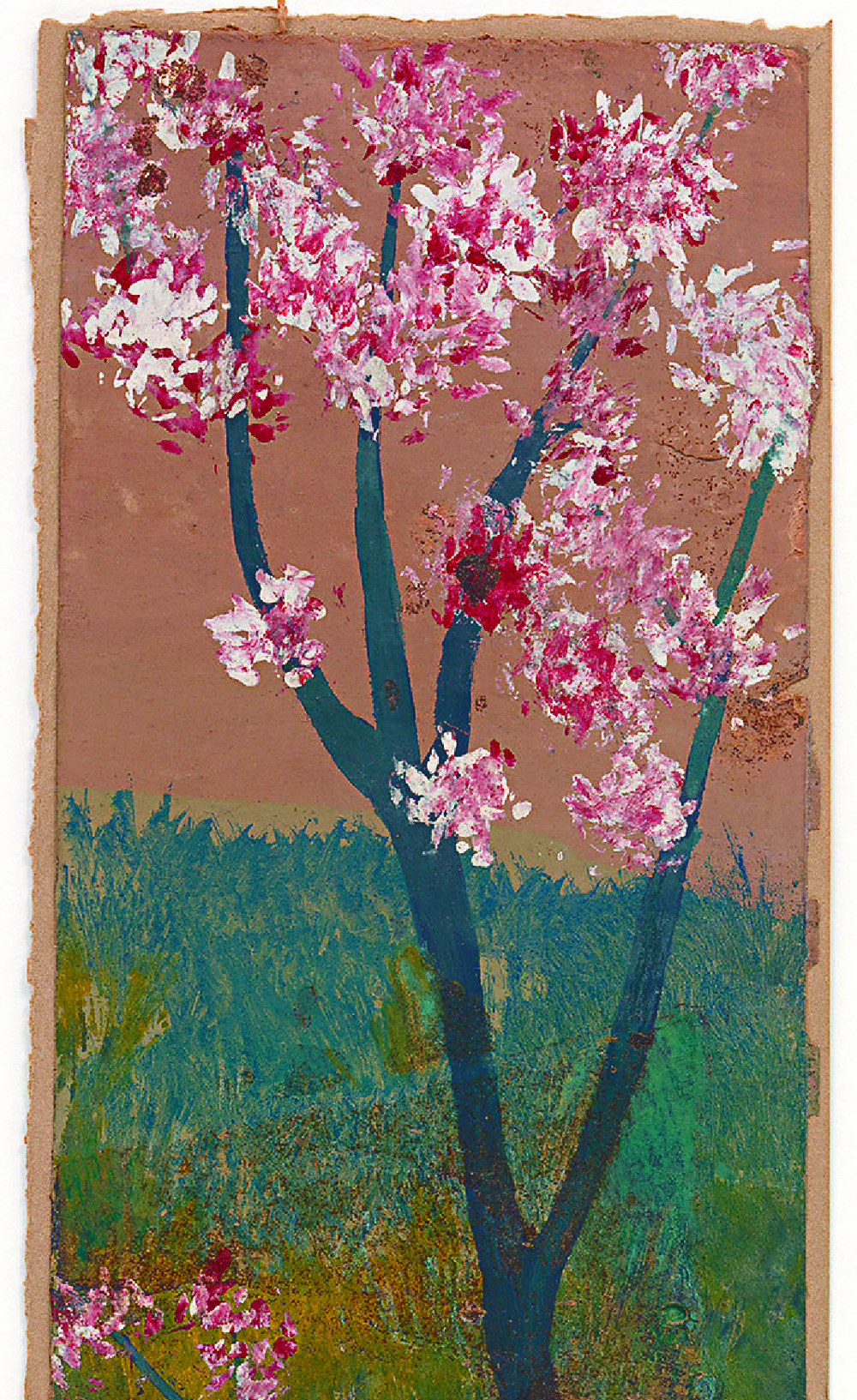
Many of them are small in size - generally about two inches in length and one inch in width - as the artist used plenty of media such as Polaroid film cartridge boxes, mosquito coil boxes, and fragments of sketchbook covers as his canvas.
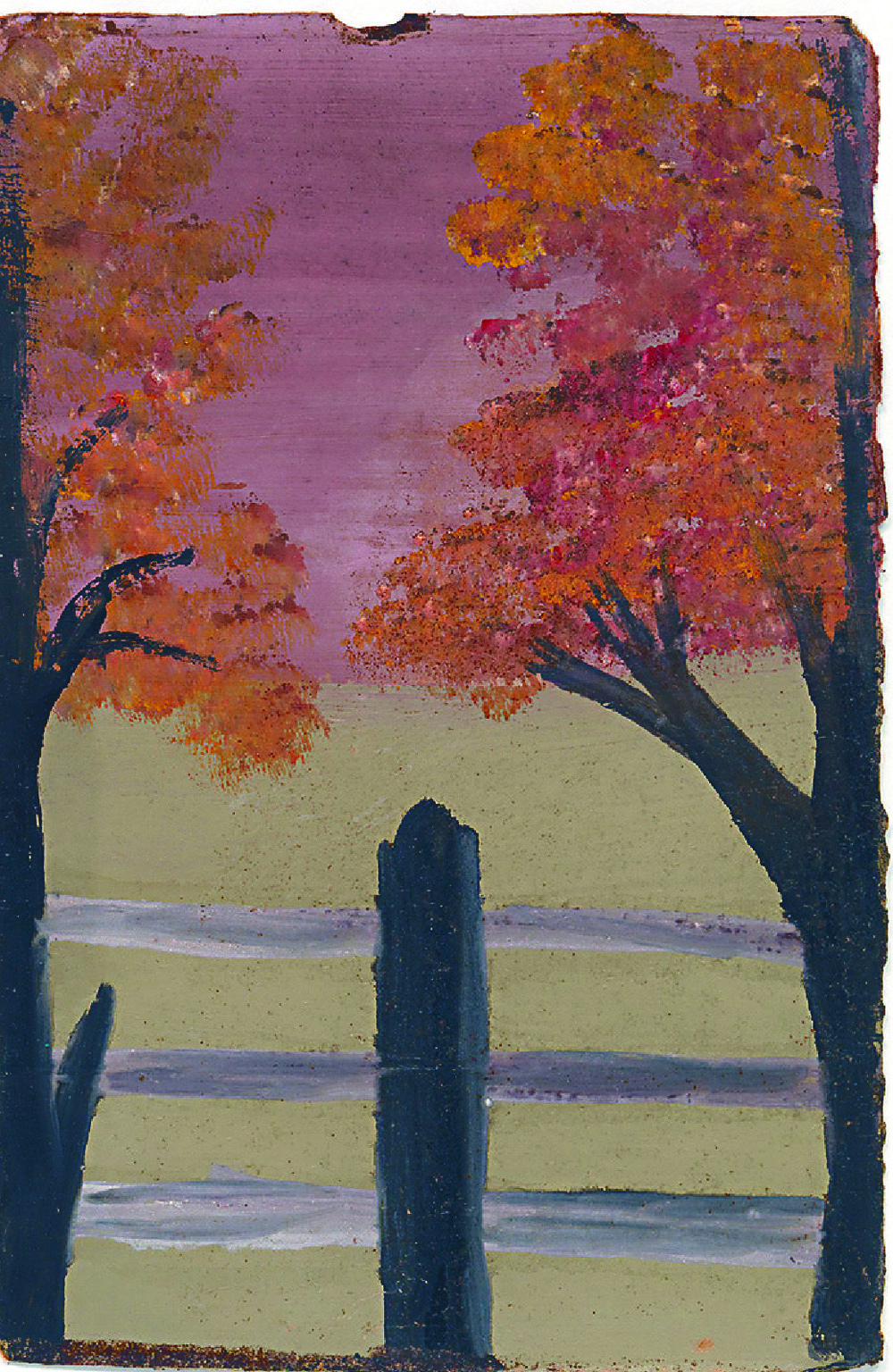
The paintings and drawings, recording the landscapes of the Caribbean, the meadows and hills of Scotland, and even some goat fields, depict all the places that the artist himself has taken their measure on foot.
Meanwhile, his use of colors is both dreamy and realistic. One can see the sky in lavender, pink and salmon; the branches of the trees are burgundy and cross each other diagonally.
The poetic remembrances are deep and serene, even on a small canvas.
"Through these paintings, Walter interprets his homeland as a sacred idyll, chronicling the harmony of his solitude there with a skilled and sensitive paintbrush," said Paca.
Curator Hilton Als, a Pulitzer Prize winner noted this melancholy. "I saw, too, evidence not of heartbreak in his paintings and drawings, but the kind of hope that can break the heart and turn it sideways," he said.
"One gets the sense, in looking at Walter's rivers and sky, that his perspectives were hard-won: he doesn't just look at a bank and water, he pulls back, rather like a cinematographer-he had a great interest in photography, too -to get at the poetic essence of a scene. This requires aloneness and silence."
Said Paca: "His landscape paintings are imbued with a sense of theater, as the elements transcend the canvas inviting the viewer into abstraction and new ways of understanding.
"Anyone fortunate enough to witness this selection of works by Walter will likely never view a landscape in the same way."
Frank Walter: Pastorale is on at David Zwirner Gallery until October 28.