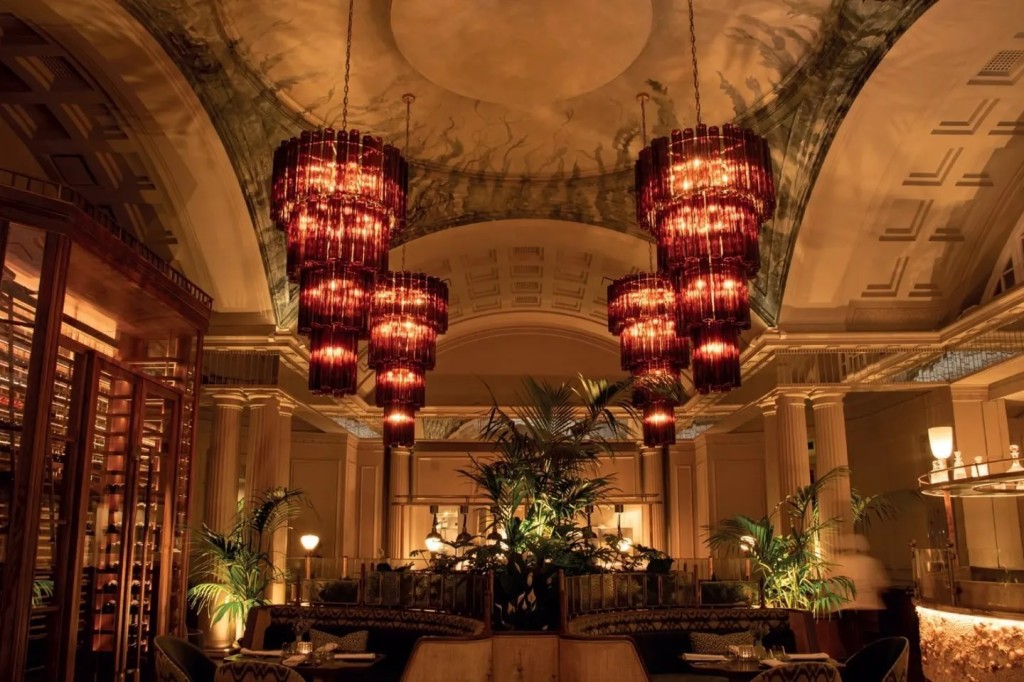
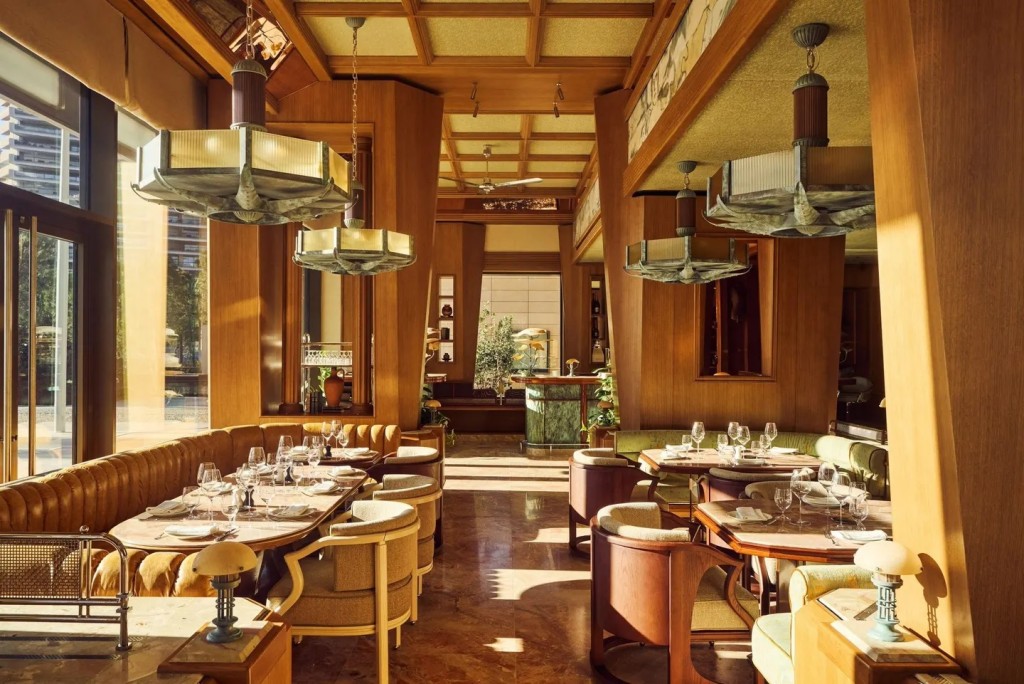
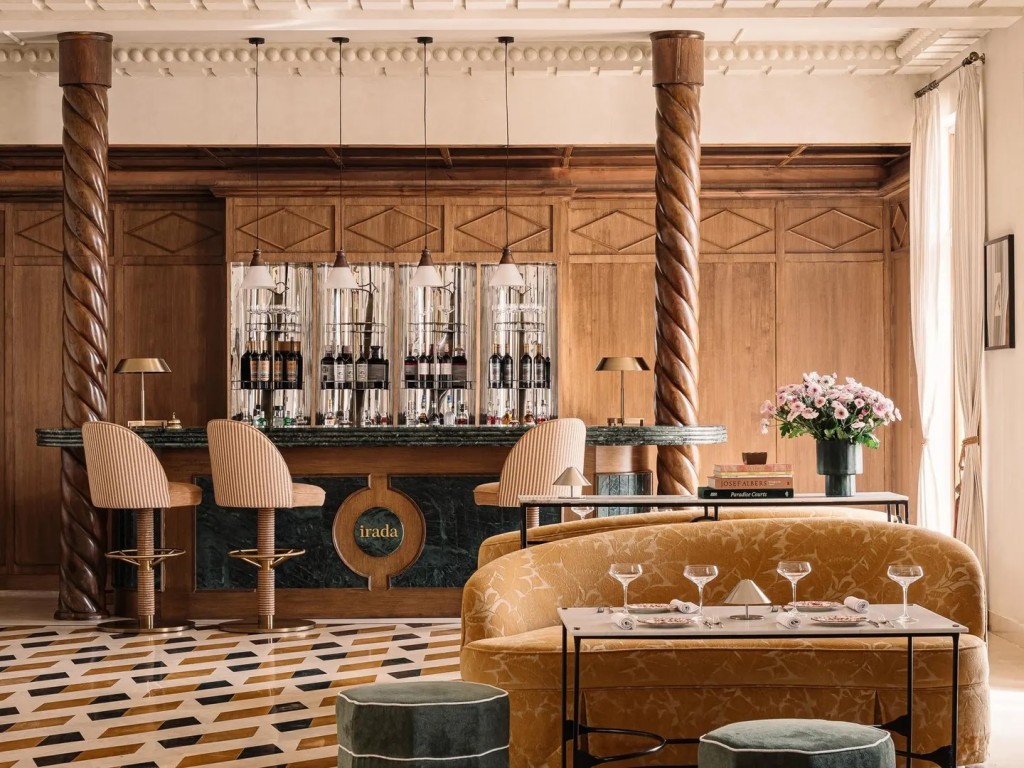
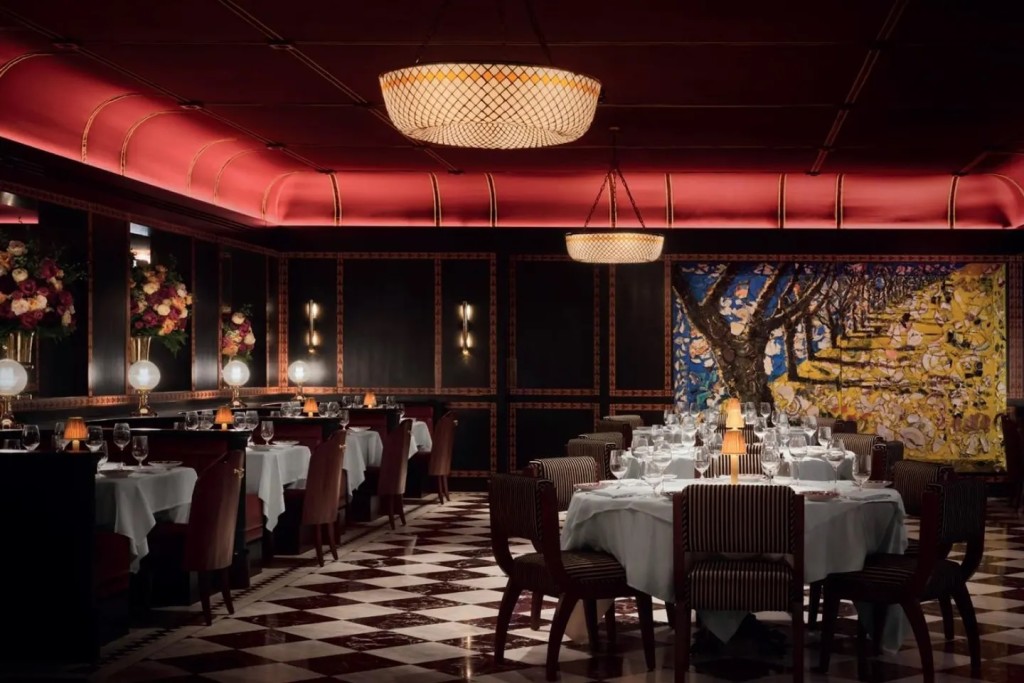
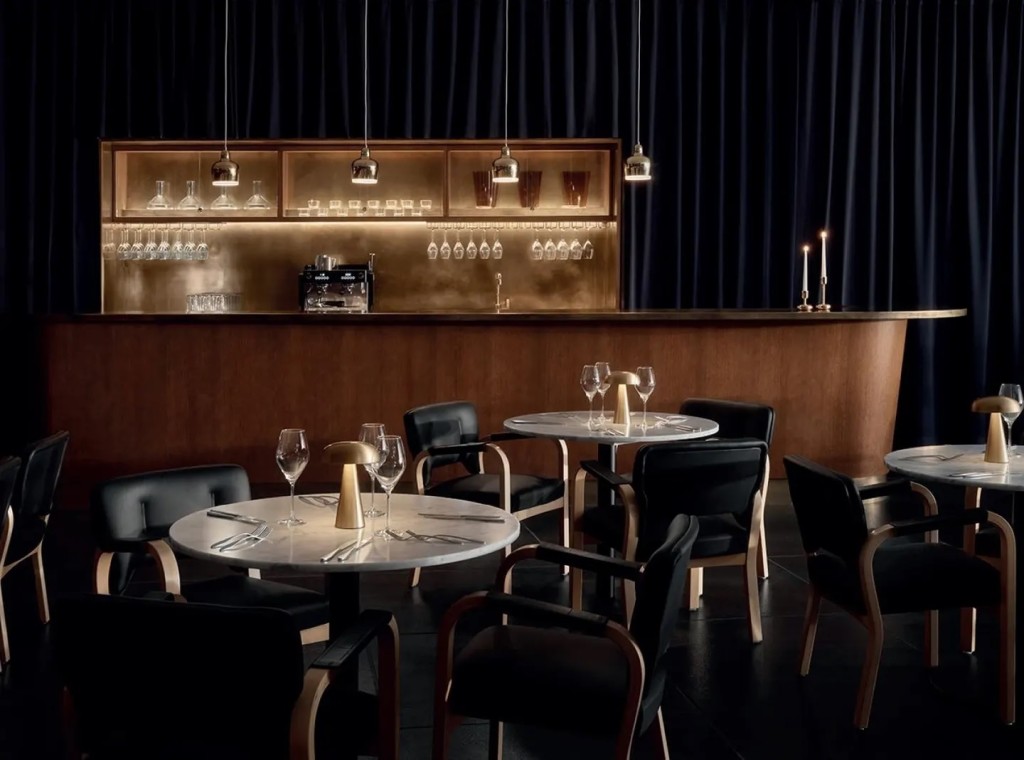
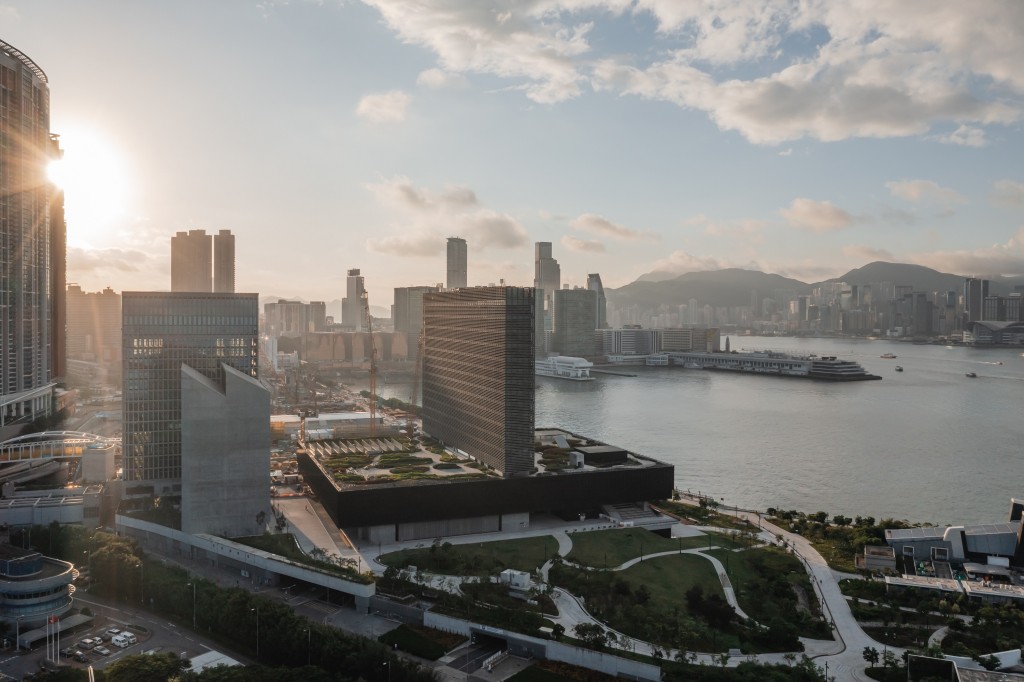
Hong Kong has claimed three places on the 2026 Prix Versailles list of the World’s 16 Most Beautiful Restaurants — and all three are housed inside The Henderson, Henderson Land Development’s flagship tower in Central.
ADVERTISEMENT
SCROLL TO CONTINUE WITH CONTENT
Hana no Kumo, Peridot and Akira Back were the city’s only entries on this year’s global list, placing Hong Kong alongside destinations including Dubai, Vienna, Gstaad, Beijing, Helsinki, London, Los Angeles and Cape Town.
The recognition comes after The Henderson, designed by Zaha Hadid Architects, earlier received the World’s Best Property title at the International Property Awards.
For The Henderson, the triple selection is more than a dining accolade. It reinforces the tower’s positioning as a landmark where architecture, art, hospitality and lifestyle meet — not only as a Grade-A commercial address, but also as a destination shaped by design-led experiences.
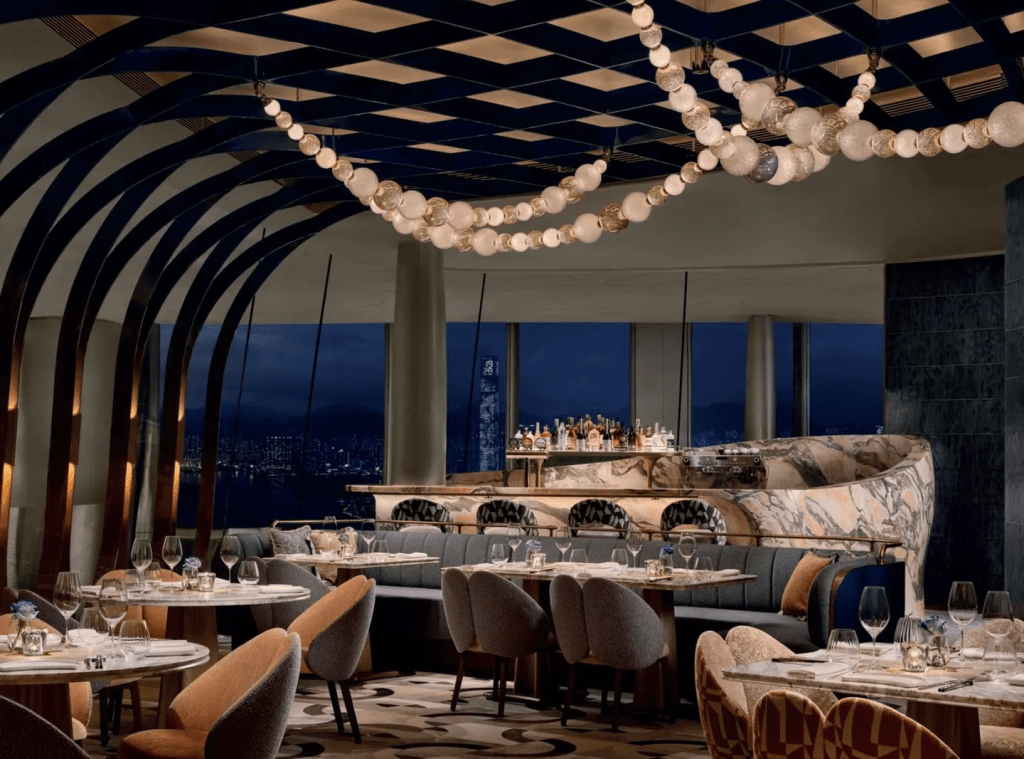
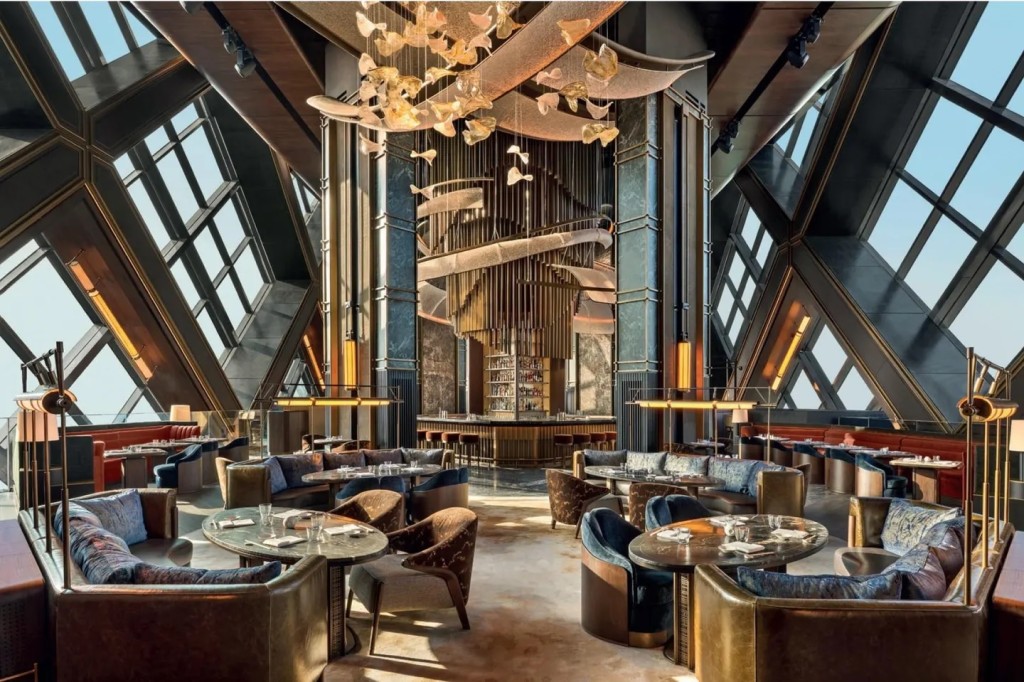
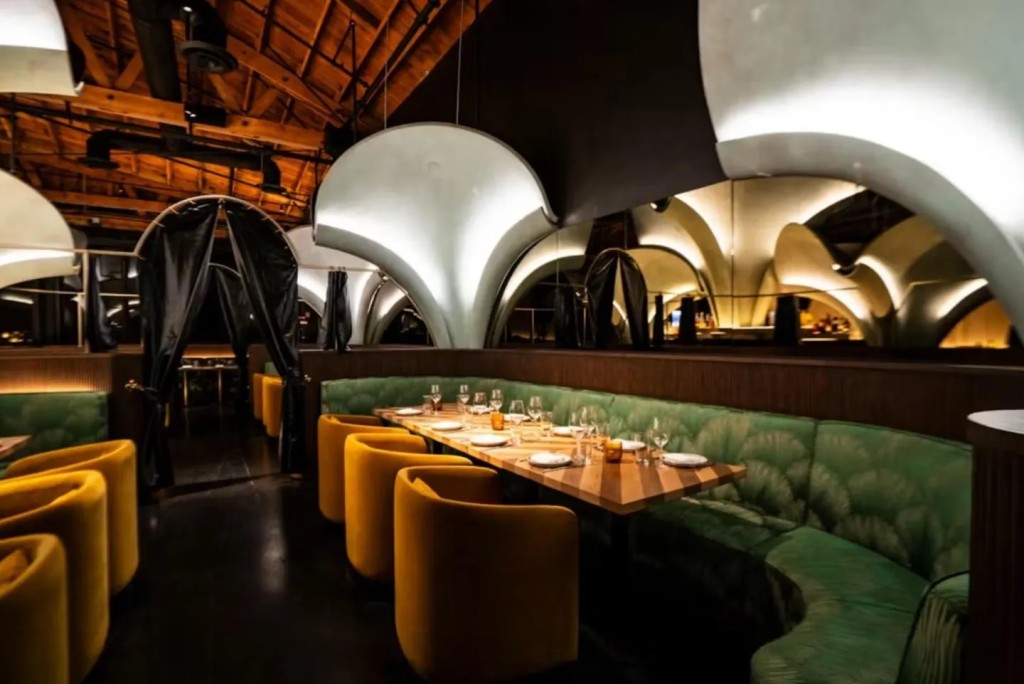
At Akira Back, located on the fifth floor, the drama begins with a restaurant interior by AB Concept that mirrors the bold career of Chef Akira Back, a former professional snowboarder known for his Korean-Japanese cuisine with global influences.
Rounded lines, refined lighting and timber posts lead the eye toward a sculptural ceiling, while intimate nooks and a private dining room add warmth to the setting. Wall art inspired by the chef’s mother, Young Hee Back, gives the polished space a personal touch, turning the restaurant into a layered experience of food, memory and city energy.
Akira Back in Hong Kong.
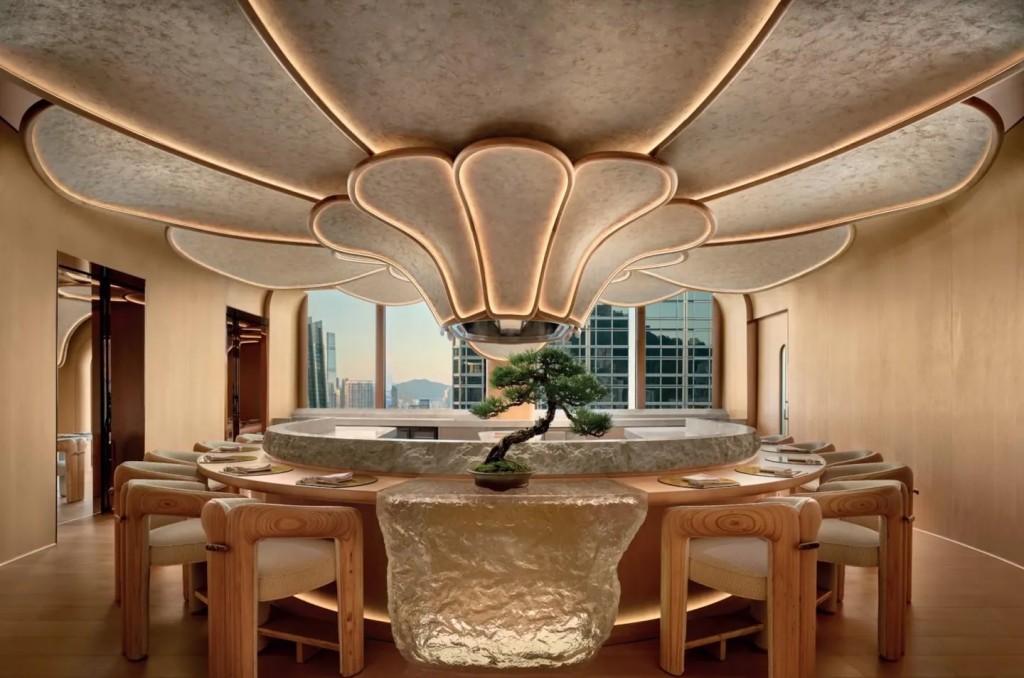
High above Central, Hana no Kumo offers a quieter kind of beauty. Meaning “flower cloud,” the 24-seat Japanese restaurant was designed by Hirsch Bedner Associates for Chef Ogawa Masaru.
Its two-room layout is built around kappou dining, where the chef remains visible to guests, making the meal both a performance and a moment of stillness. Soft timber, washi paper accents, stone surfaces and a crystal-like illuminated resin ice sculpture at the entrance create a sense of refuge in the sky. Petal motifs and lighting that shifts from white to pink evoke sakura in bloom, bringing a trace of Kyoto’s cherry blossom season into Hong Kong’s skyline.
Hana no Kumo in Hong Kong.
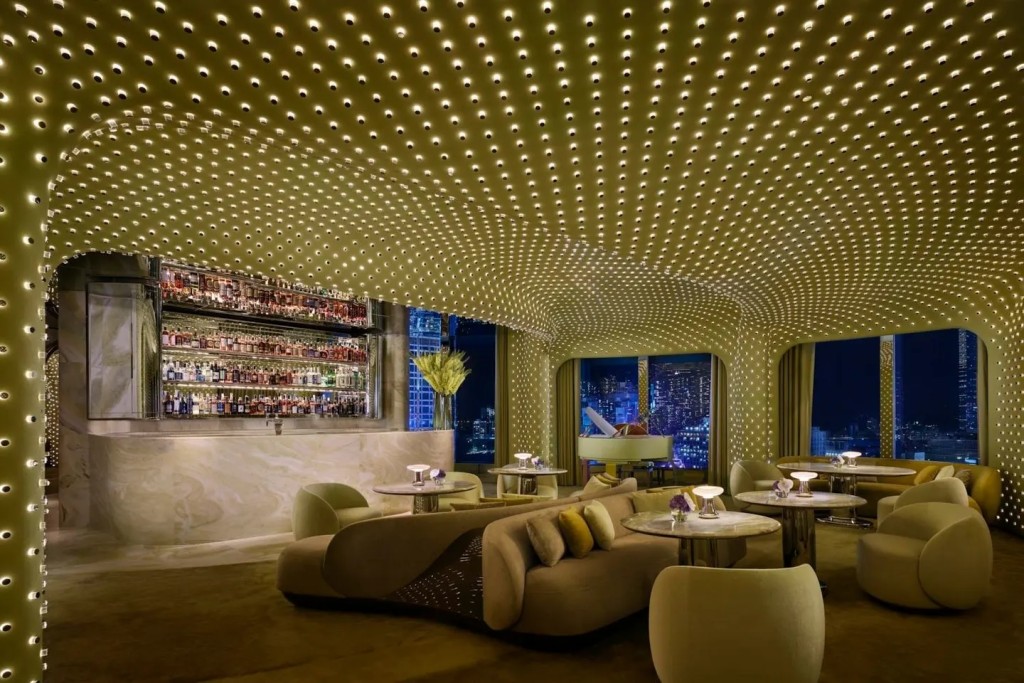
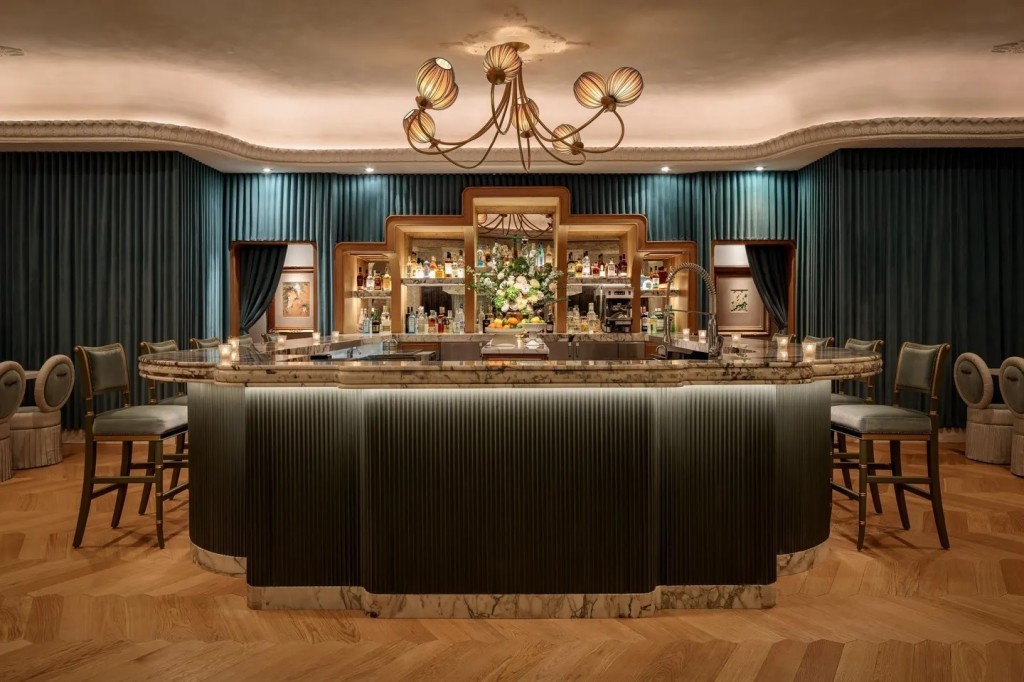
Peridot, perched at the top of The Henderson, takes a more surreal and theatrical approach. Designed by Studio Paolo Ferrari under the idea of “Natural Futurism,” the cocktail bar glows with more than 20,000 hand-crafted lights, mirror-chrome finishes and frosted cylindrical forms. Its signature green palette, grand piano and skyline views give the space a strong visual identity.
With plant-based dishes and a seasonal cocktail program inspired by terroir, Peridot pushes the idea of a bar beyond drinks, combining art, cuisine and atmosphere into one immersive setting.
Peridot in Hong Kong.
Founded in 2015 and announced annually at UNESCO, the Prix Versailles recognizes contemporary architecture and design projects across categories including restaurants, hotels, airports, museums and public spaces.
Its official criteria consider not only aesthetics, but also innovation, creativity, local heritage, ecological efficiency, social value and “intelligent sustainability.” Three restaurants from the 2026 selection will later receive a World Title, either Prix Versailles Interior or Exterior, to be announced later this year.
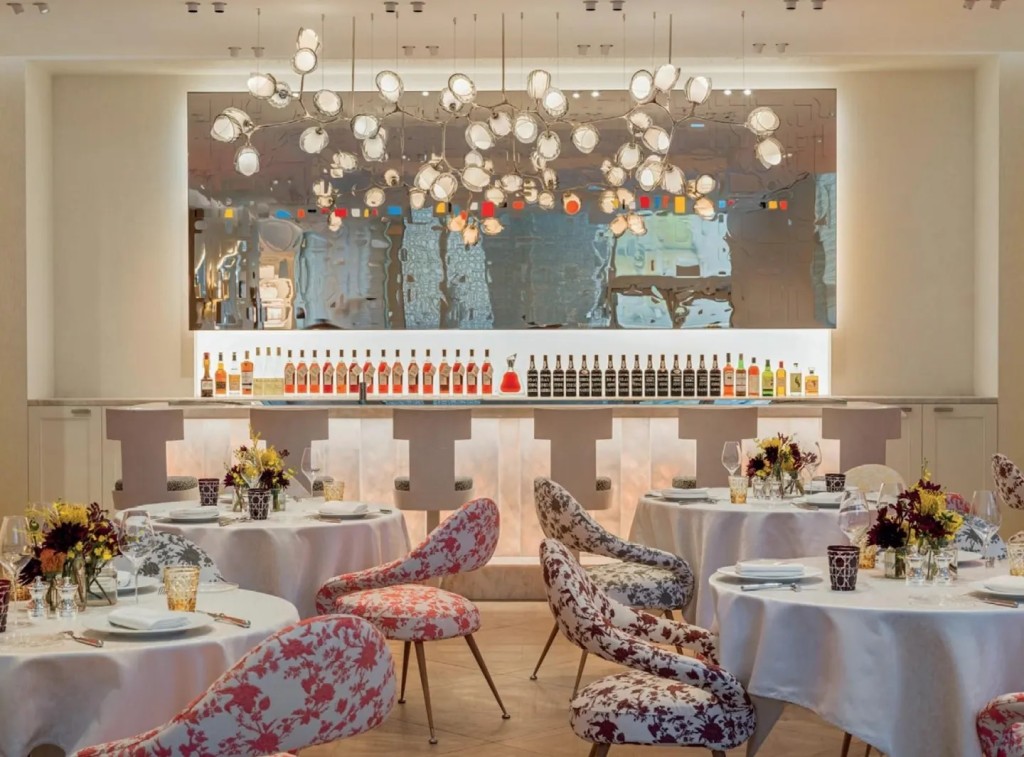
The remaining 13 restaurants on the 2026 list also reflect how dining spaces around the world are increasingly being judged as cultural and architectural experiences.
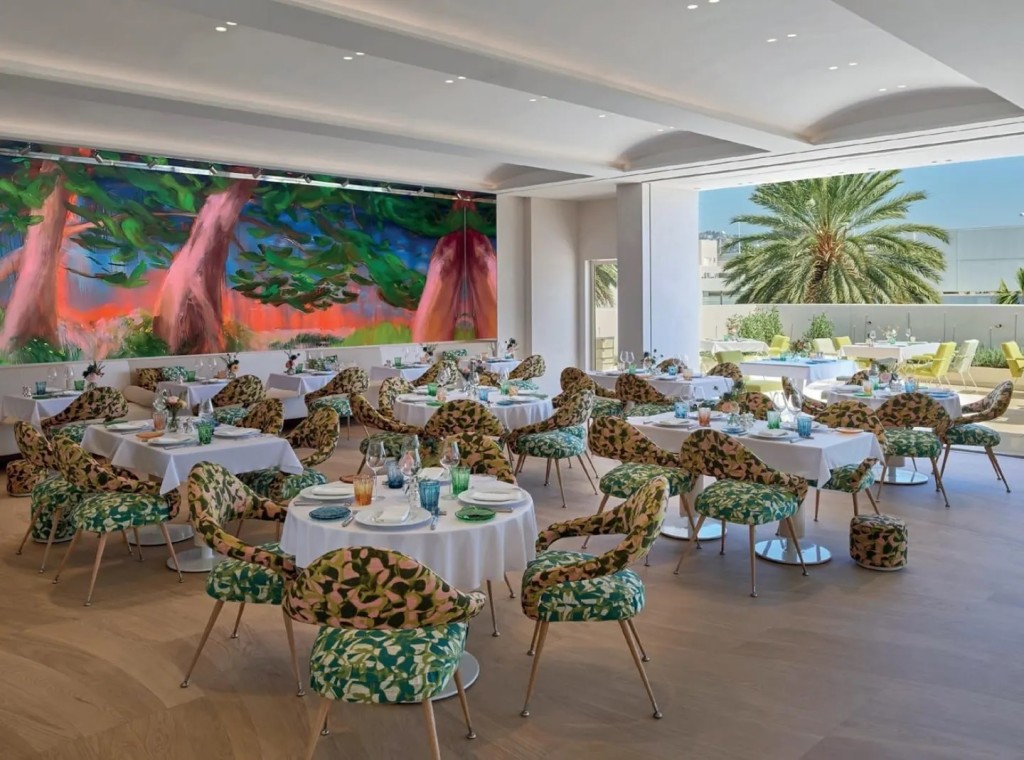
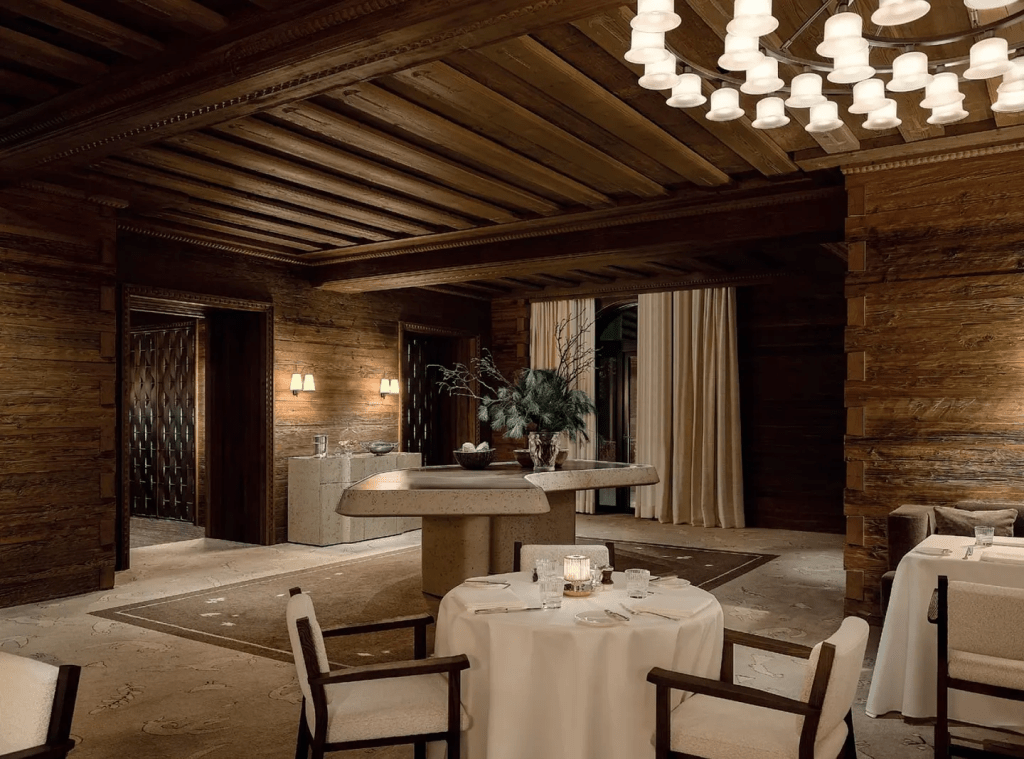
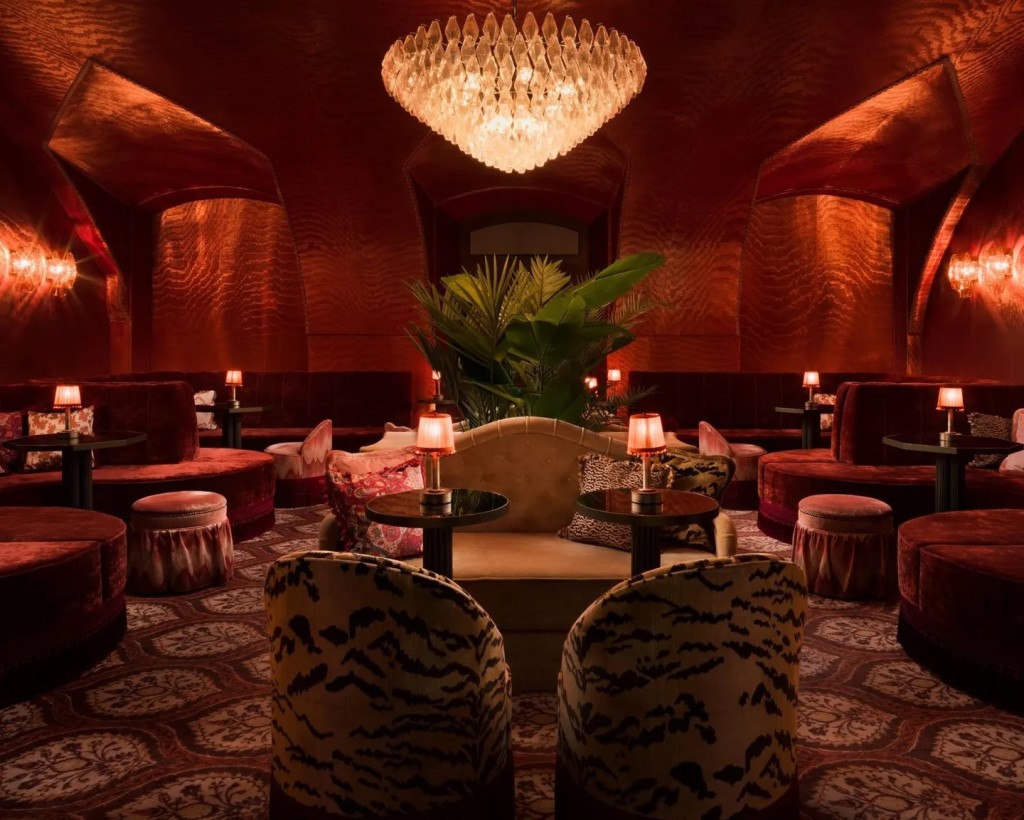
In Dubai, Nobu One Za’abeel was selected for its dramatic setting inside The Link, a sky concourse suspended between the two towers of One Za’abeel. In Vienna, Le Fou was recognized for translating the mood of Parisian nightlife into a layered sequence of intimate rooms. Monti in Gstaad brings Alpine materials and craftsmanship into a contemporary Italian dining setting, while Monsieur Dior by Anne-Sophie Pic in Beijing connects French couture, Chinese art and fine dining inside the House of Dior.
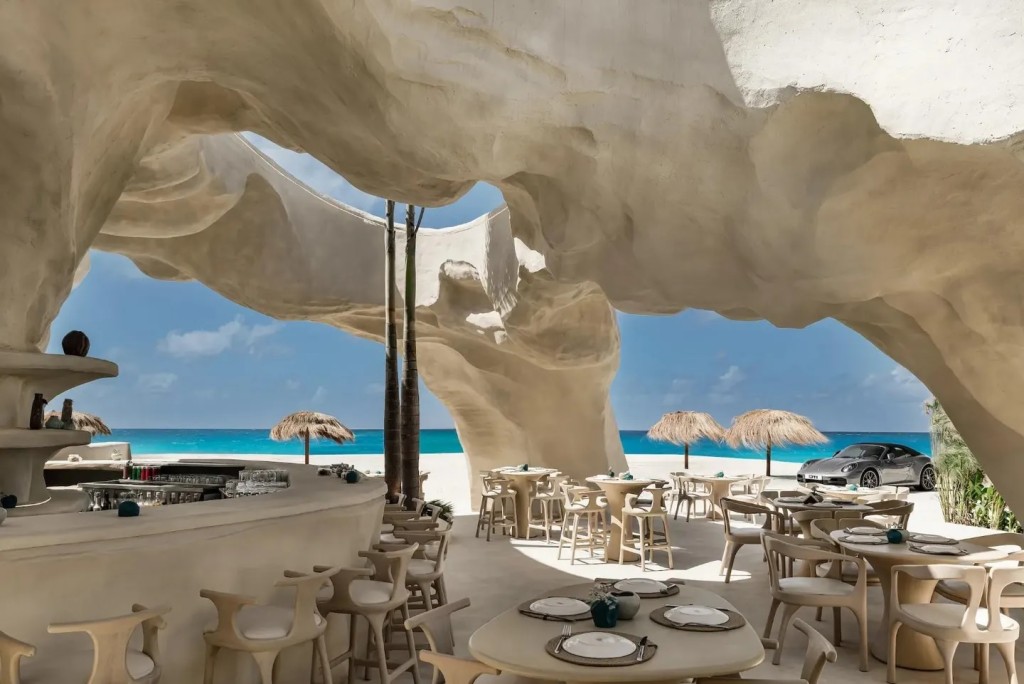
Egypt’s Escā Playa stands out for its cave-like coastal architecture, designed to appear shaped by sand, wind and sea. Finlandia Bistro in Helsinki was selected for its careful renewal of dining spaces inside Alvar Aalto’s Finlandia Hall. In London, Carbone marks the New York restaurant’s European debut with a glamorous Italian-American supper-club atmosphere inside the former American Embassy.
+8
India’s Rosso was recognized for blending southern Italian references with its winery setting in Pune Wine Country, while Marlow in Monaco creates a British-inspired world of layered rooms and club-like elegance in the new Mareterra district. In Los Angeles, Lucia celebrates Afro-Caribbean culture through music, pattern and color, while Monsieur Dior by Dominique Crenn in Beverly Hills brings together couture, garden imagery and California light.
Completing the list, Mottai in Coral Gables was selected for its contemporary interpretation of Japanese precision around an open sushi bar, and Amura by Ángel León in Cape Town for its immersive marine-inspired design, echoing the meeting point of the Indian and Atlantic Oceans.