Read More

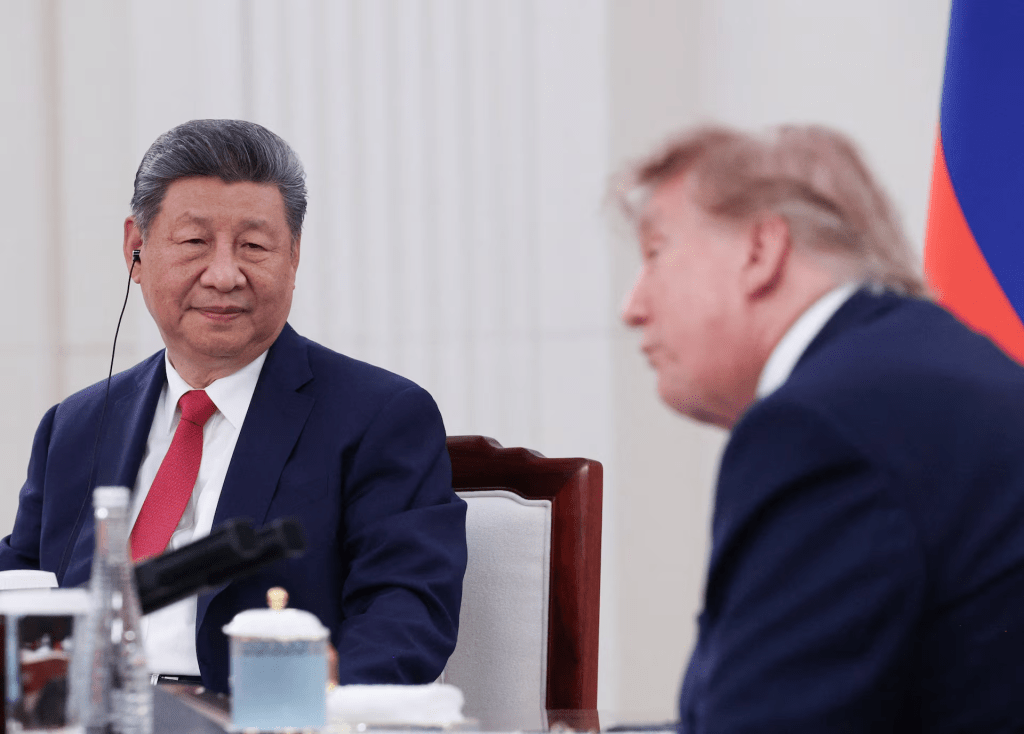








For over 40 years, a landmark agreement between the United States and China has yielded cooperation across a range of scientific and technical fields, a powerful sign that the rivals could set aside their disputes and work together.
Now with ties at their worst in decades, a debate is under way within Washington over whether to let the US-China Science and Technology Agreement expire on August 27, three insiders said.
The debate over the oldest US-China bilateral cooperation accord mirrors a bigger question dividing policymakers: do the benefits to the United States of engaging with China outweigh the risk of empowering a rival who may play by different rules?
The deal, signed when bilateral ties were established in 1979 and renewed every five years since, has been hailed as a stabilizing force for relations, with collaboration in areas from atmospheric and agricultural science to basic research in physics and chemistry. It laid the foundation for a boom in academic and commercial exchanges.
The exchanges helped China grow into a tech and military powerhouse, but concerns about theft of US scientific and commercial achievements have prompted questions over whether the deal should continue.
While the dominant US view appears to favor renewal, a growing contingent of officials and lawmakers believe cooperating makes less sense given the competition.
China's embassy said officials had approached the United States a year ago to talk about the deal, which it said formed the basis for 40 years of "fruitful" cooperation.
Inside the US government, including the State Department, which leads the negotiations, there are competing views about whether to renew the pact, let it expire or renegotiate to add safeguards against industrial espionage and require reciprocity in data exchanges, the officials said.
Given the state of bilateral ties, trying to renegotiate could derail the agreement.
The Biden administration has sharpened the focus on tech competition.
"Technology will be the cutting-edge arena of global competition in the period ahead in the way nuclear missiles were the defining feature of the Cold War," US Indo-Pacific coordinator Kurt Campbell has said.
Proponents of renewing the deal argue that without it, the US would lose valuable insight into China's technical advances.
"The US needs access to China to understand what's happening on the ground," said University of North Carolina professor Denis Simon, who studies technology strategy in China and says it is important to negotiate a new deal. "Renewal advocates are trying to keep this [issue] a little bit under the radar because they don't want the China bashers to get a piece of this and try to rip it apart," he said.