
Read More
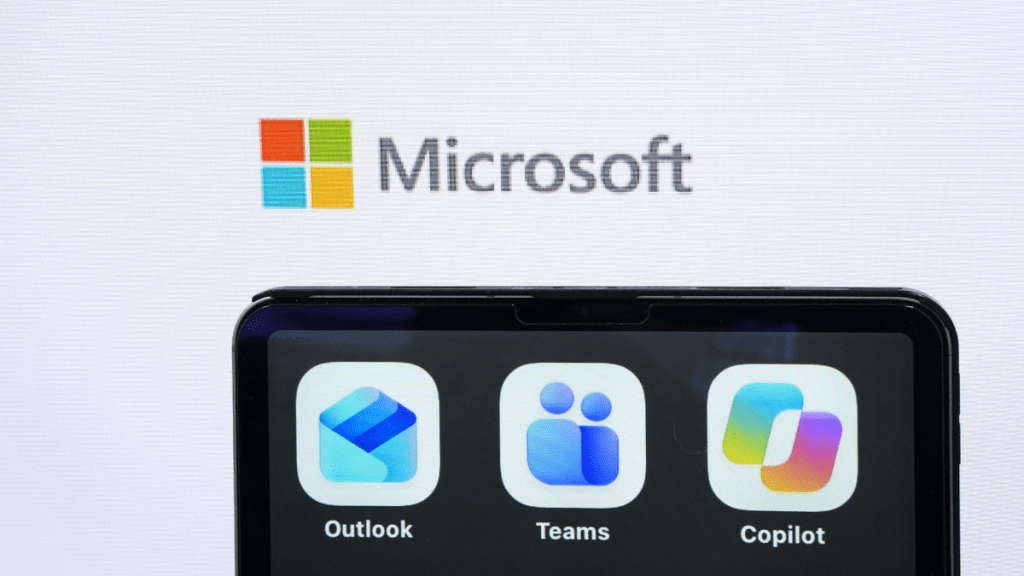
A massive global system outage struck Microsoft's cloud productivity suite on the morning of 13 November, crippling email, messaging, and artificial intelligence services across at least 74 countries and territories.
ADVERTISEMENT
SCROLL TO CONTINUE WITH CONTENT
The widespread breakdown affected Outlook, Teams, and Copilot, causing widespread operational disruption to multinational corporations, government agencies, healthcare facilities, and airlines worldwide.
Incident tracking platform Downdetector logged as many as 140,000 problem reports by 2 am as users across multiple continents found themselves locked out of critical communication channels.
Server crash triggers cascading overload as cyberattack ruled out
Microsoft stated that the disruption originated from unexpected server shutdowns that forced remaining infrastructure components to handle excessive traffic, resulting in a cascading crash under the sudden load.
Company engineers attempted to reroute network traffic and restart stalled server nodes, though several machines became unresponsive once again as incoming volume resumed.
Australian Minister for Home Affairs Tony Burke noted that Microsoft executives in Australia briefed him on the incident, indicating that the tech giant did not view the breakdown as a cyberattack.
Officials drew comparisons between the breakdown and the July 2024 CrowdStrike outage, which had triggered comparable global IT chaos following a flawed software update.
Global airlines report email disruptions while flight operations continue
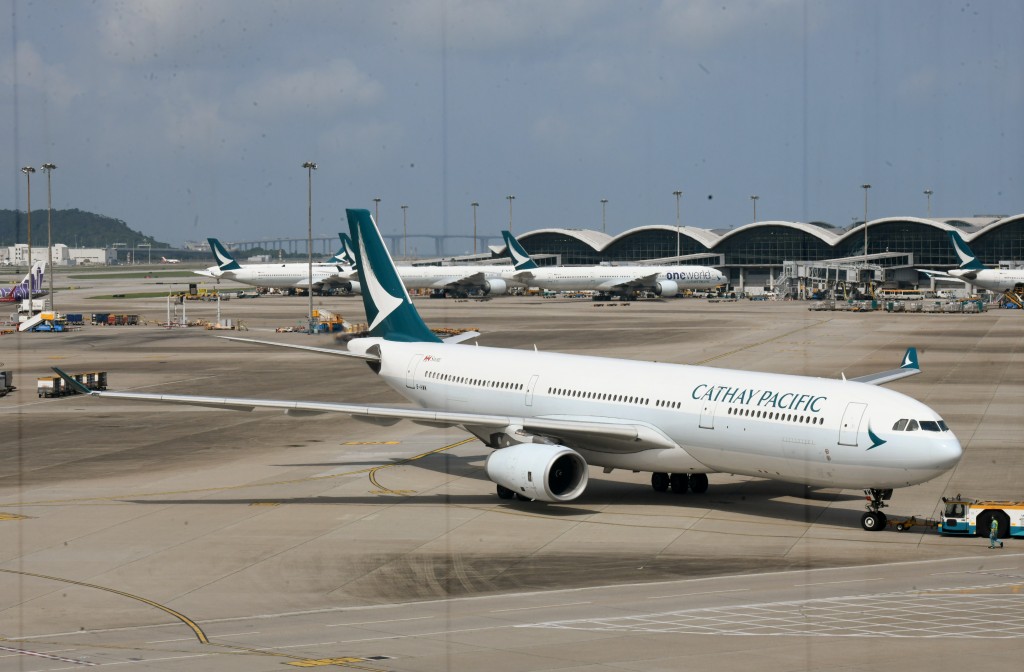
The aviation sector experienced customer-facing disruptions, although flight schedules remained largely intact.
Indian carriers Akasa Air and IndiGo confirmed that while their flights operated according to schedule, customer service email helplines were temporarily knocked offline.
Malaysia Airlines reported intermittent email failures linked directly to the cloud breakdown, while Dubai-based Emirates notified travellers that customer correspondence systems had experienced technical hitches despite scheduled flight operations proceeding without interruption.
Government agencies and healthcare facilities shift to emergency protocols
Public administrative bodies across the Asia-Pacific region and North America experienced communication breakdowns.
Singapore's Government Technology Agency, the Supreme Court of the Philippines, and Australia's domestic intelligence organisation all confirmed that internal email systems had been compromised.
In Tokyo, Deputy Chief Cabinet Secretary Masanao Ozaki acknowledged that the Japanese government's internal administrative information system had suffered operational disruptions.
In New Zealand, the Ministry of Foreign Affairs and Trade stated that email correspondence with overseas diplomatic missions was impeded, while Immigration New Zealand temporarily halted digital visa processing and reverted to manual procedures.
Canadian hospital network Unity Health Toronto initiated a Code Grey emergency protocol for infrastructure failure after healthcare staff lost access to email services.
Hospital administrators emphasized that clinical care remained unaffected, urging patients with urgent inquiries to contact the facility via traditional telephone switchboards.
Financial institutions and universities encounter communication delays
The commercial and academic sectors also experienced collateral setbacks. Japanese credit card operator Credit Saison alerted cardholders that customer inquiry responses would be delayed because of external technical faults.
Major Japanese universities, including Waseda University and Kyushu University, reported that internal academic services and communications were experiencing system latencies and outages.
In Singapore, an industry survey by The Straits Times revealed that commercial banking institutions, including DBS, United Overseas Bank, HSBC, and Maybank Singapore, faced service interruptions across their digital platforms as tech teams worked to mitigate the impact.