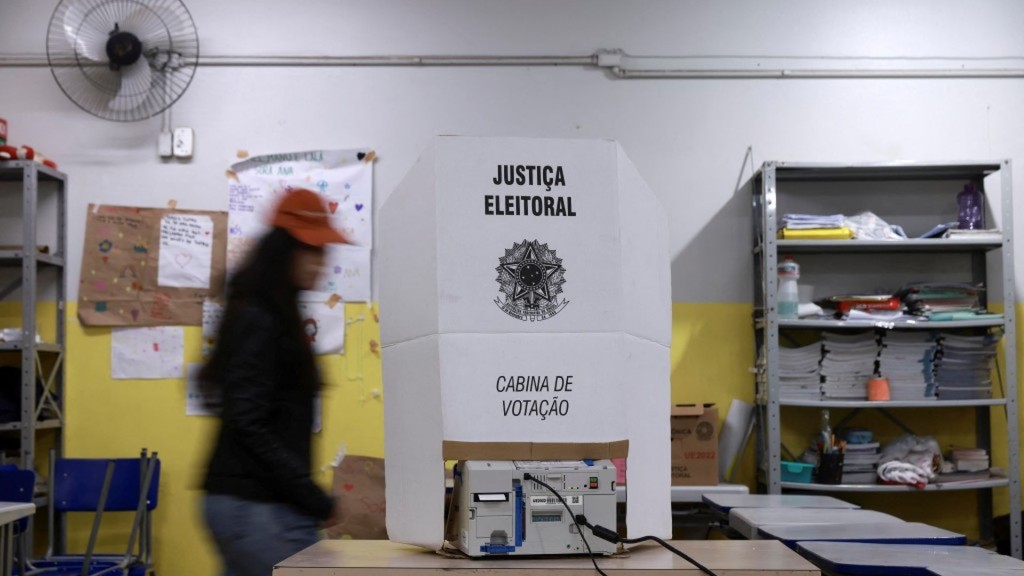
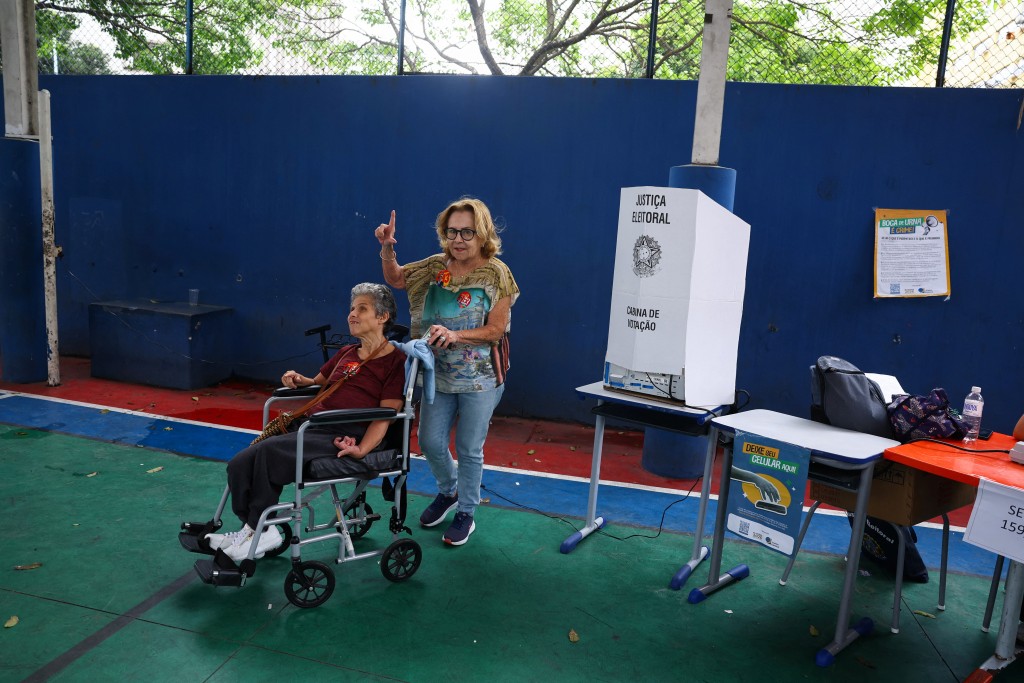
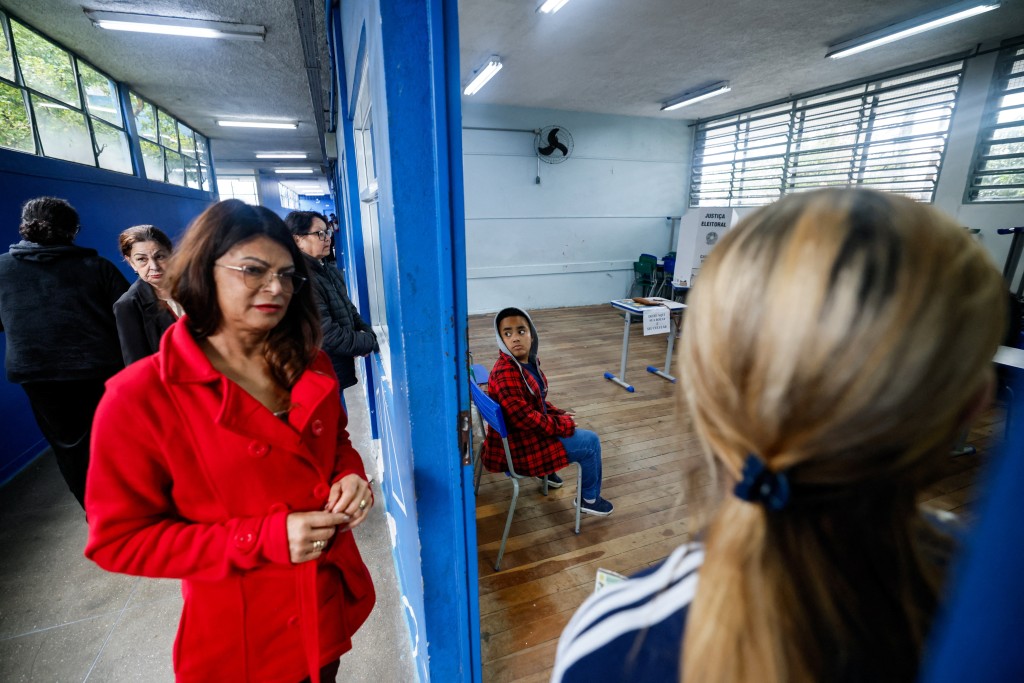
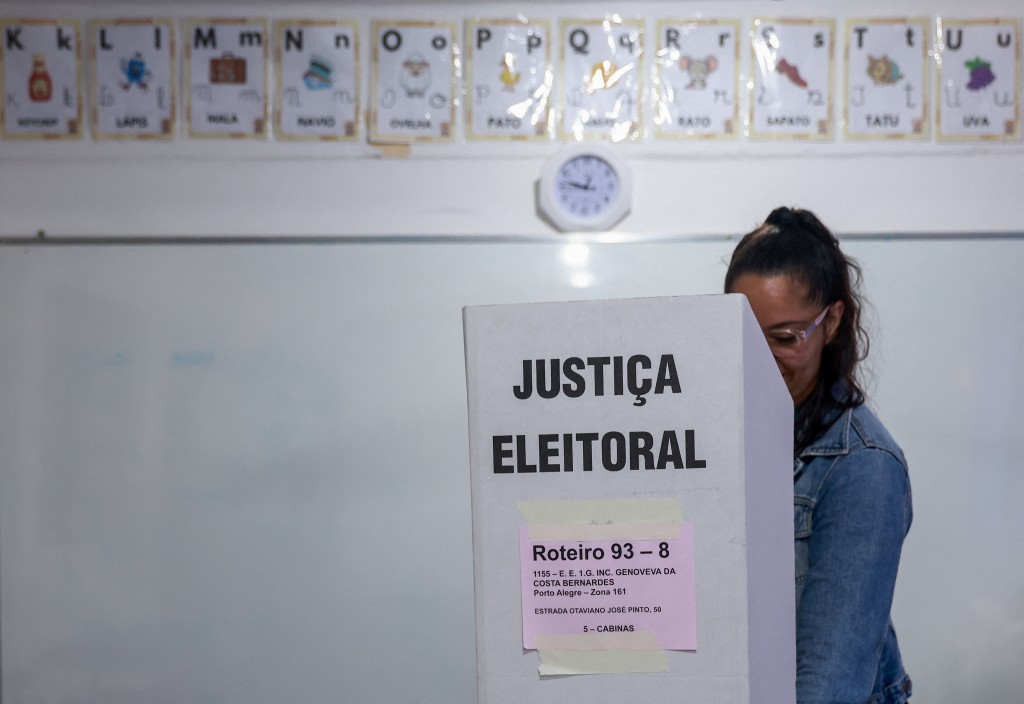
Brazil's Supreme Court allowed some polling stations to extend voting in the country's presidential election by two hours on Sunday, leading the electoral authority to pause a vote count that had already started publishing early-stage results.
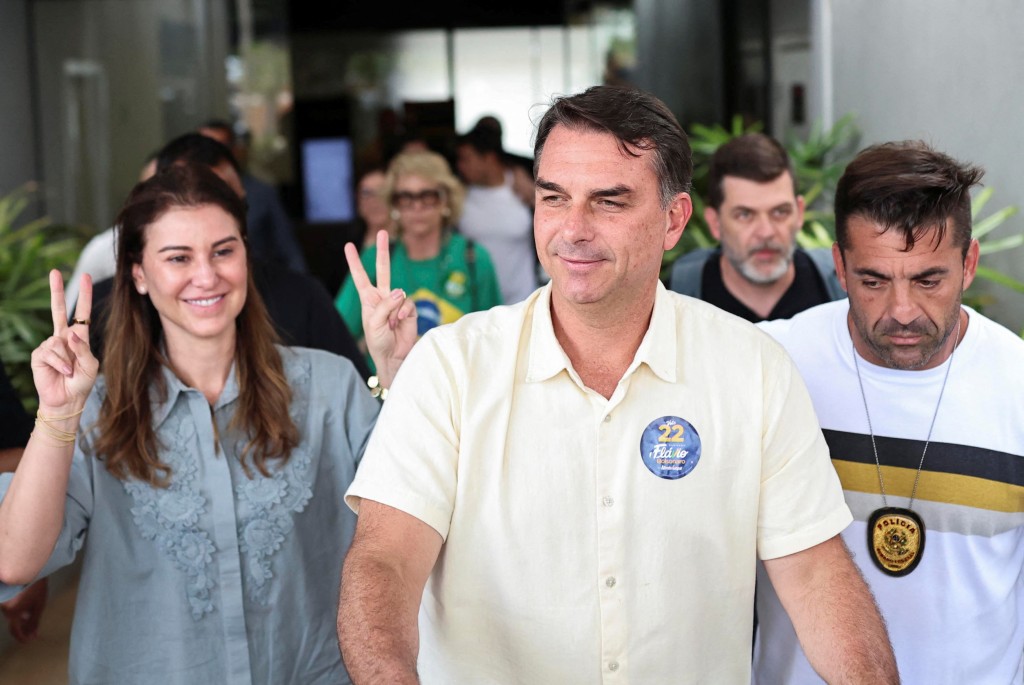
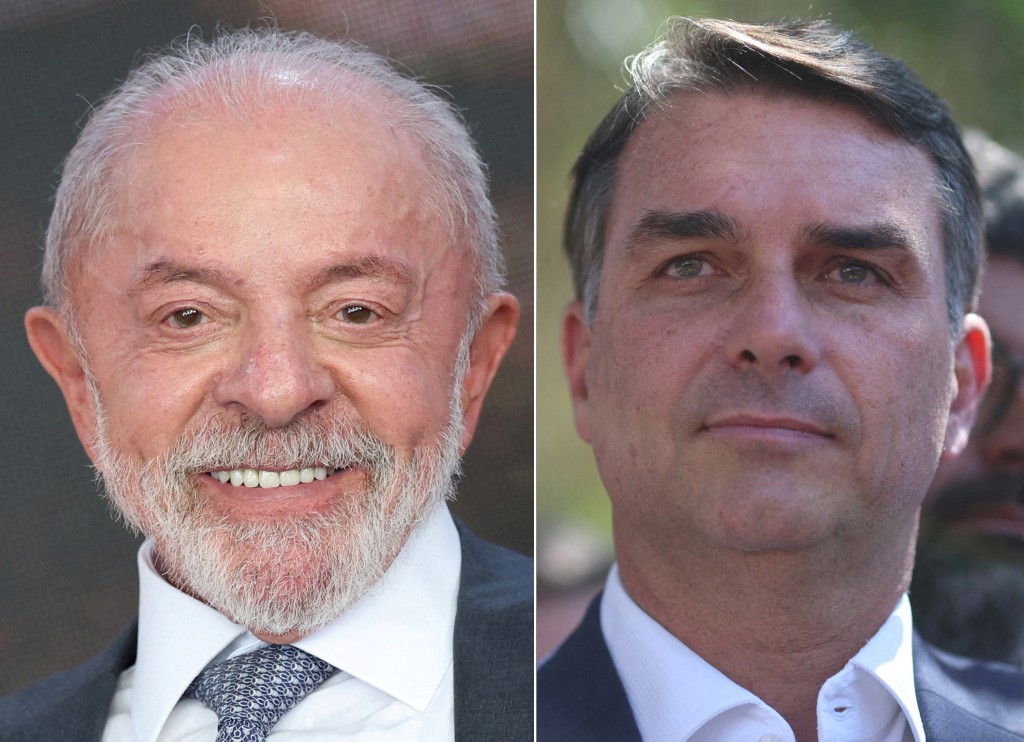
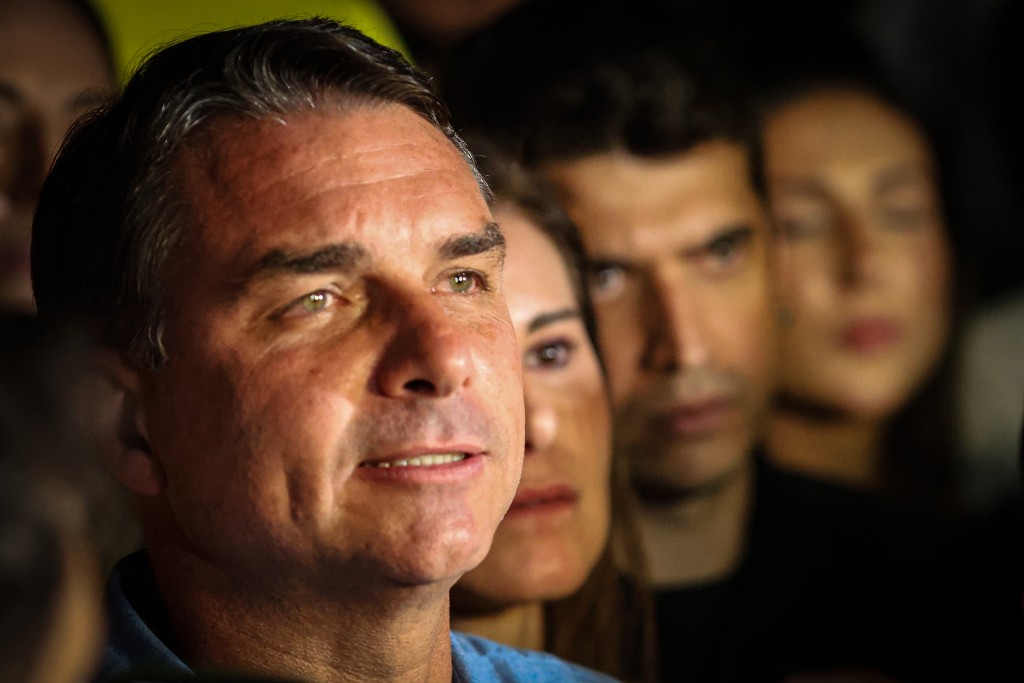
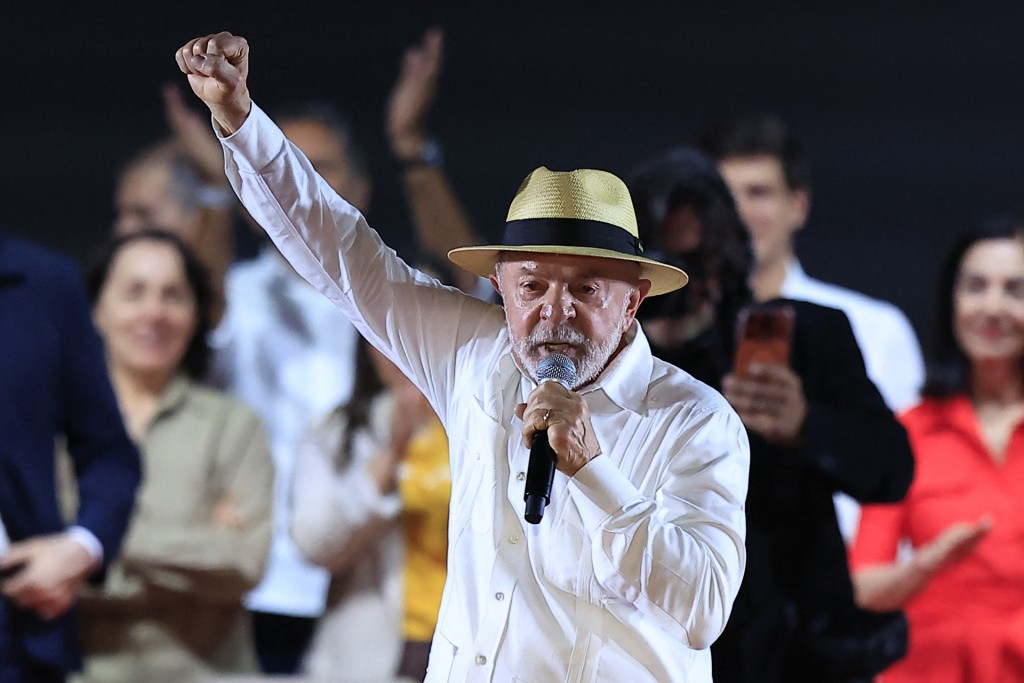
The Supreme Court's decision and the subsequent pause of the vote count add confusion to a tense contest between two opposing political forces: leftist President Luiz Inacio Lula da Silva versus right-wing Senator Flavio Bolsonaro, the son of convicted former President Jair Bolsonaro.
A victory for Bolsonaro, 45, would extend a wave of right-wing victories for Latin American candidates friendly to US President Donald Trump, while a fourth mandate for Lula would be a bulwark against Washington's influence in the region as his government has pushed back on US trade and security policies.
Supreme Court Justice Cristiano Zanin accepted a request by Lula's campaign to extend voting, pointing to public transportation issues in three cities in the state of Bahia.
Zanin's decision landed right around the election's 5 p.m. Brasilia time (2000 GMT) cutoff, creating confusion as some polling stations had already closed.
In a subsequent ruling, Zanin said those stations would remain shut, allowing authorities to begin tallying those votes, but that polling stations that had not closed after the official cutoff could keep receiving voters for an additional two hours.
The electoral court, or TSE, had already started publishing results that showed Lula leading Bolsonaro with 0.25% of ballots counted. Lula had 57.66% of votes, compared with 42.34% for Bolsonaro, the early count showed.
After the Zanin ruling, the TSE said it would pause the vote count to allow for the extended voting window to close.
PAUSE ADDS UNCERTAINTY
The pause in the vote count injects uncertainty into a Brazilian electoral process still grappling with the fallout from 2022, when Jair Bolsonaro refused to concede defeat to Lula. His supporters later invaded government buildings in protest against the result, and Bolsonaro received a 27-year prison sentence for plotting a coup.
The candidate's brother Eduardo Bolsonaro, speaking on a live stream on his YouTube channel, questioned why the Supreme Court had ruled in a process overseen by the country's federal electoral court: "Strange, isn’t it?" he said. "It’s hard to imagine what the legal basis for this could possibly be. It doesn’t inspire credibility.”
Two legal experts told Reuters the extension of voting hours and allegations around disrupted public transportation could draw legal challenges.
“Depending on the election result, there is a possibility that the losing side might attempt to contest the outcome, arguing that many people were unable to vote even with the extended deadline," said Vera Chemim, a constitutional lawyer in São Paulo.
Lula had asked electoral authorities to extend voting in at least nine states after his campaign alleged some officials reduced election day public transportation, impacting voters' ability to get to the polls.
Earlier on Sunday, a court in Bahia, a Lula stronghold in the Northeast, ordered the arrest of a top transportation official in the city of Salvador over allegations that he directed a reduction in the city’s bus fleet.
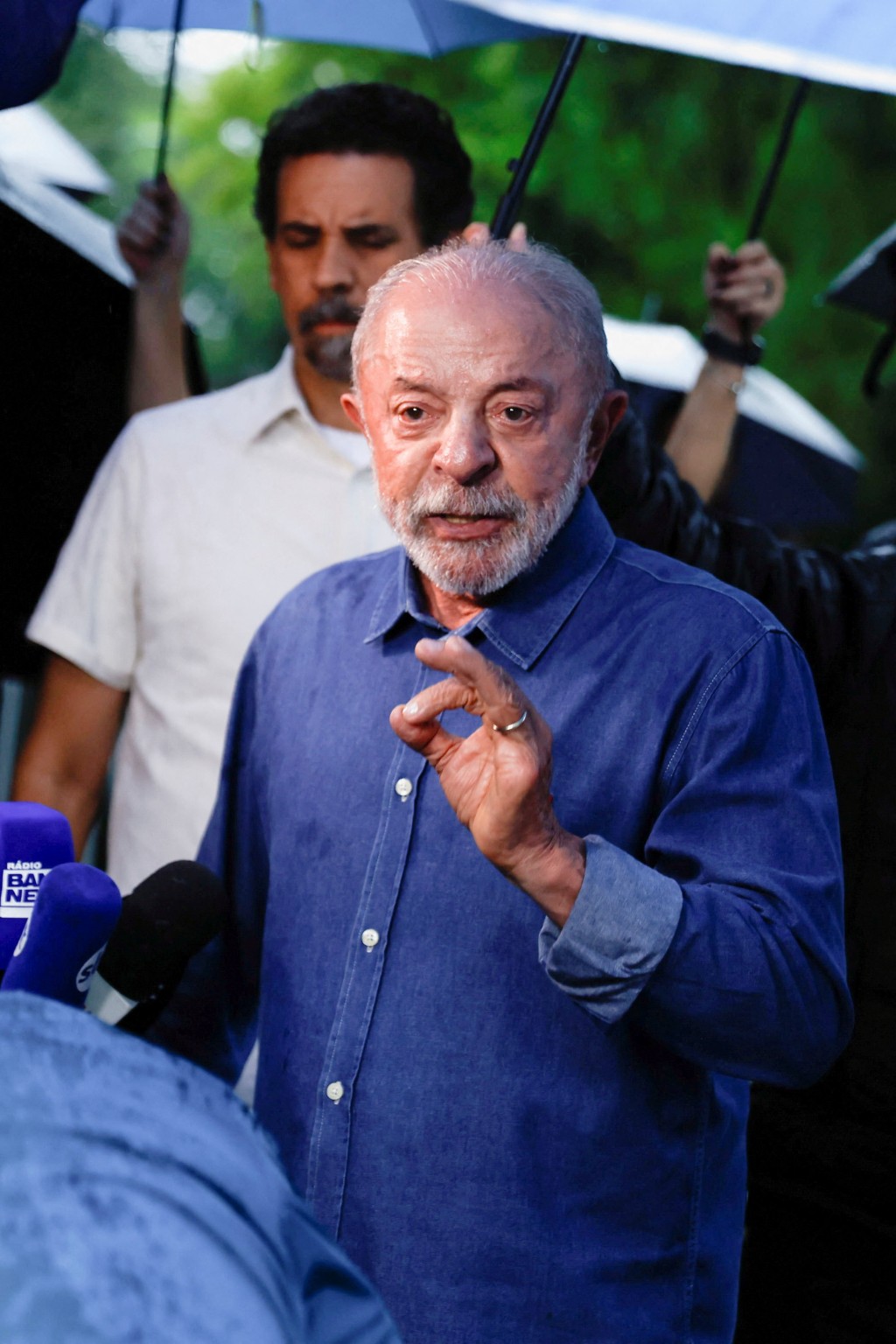
In comments before Zanin's decision, Lula said "something abominable is happening" in this election.
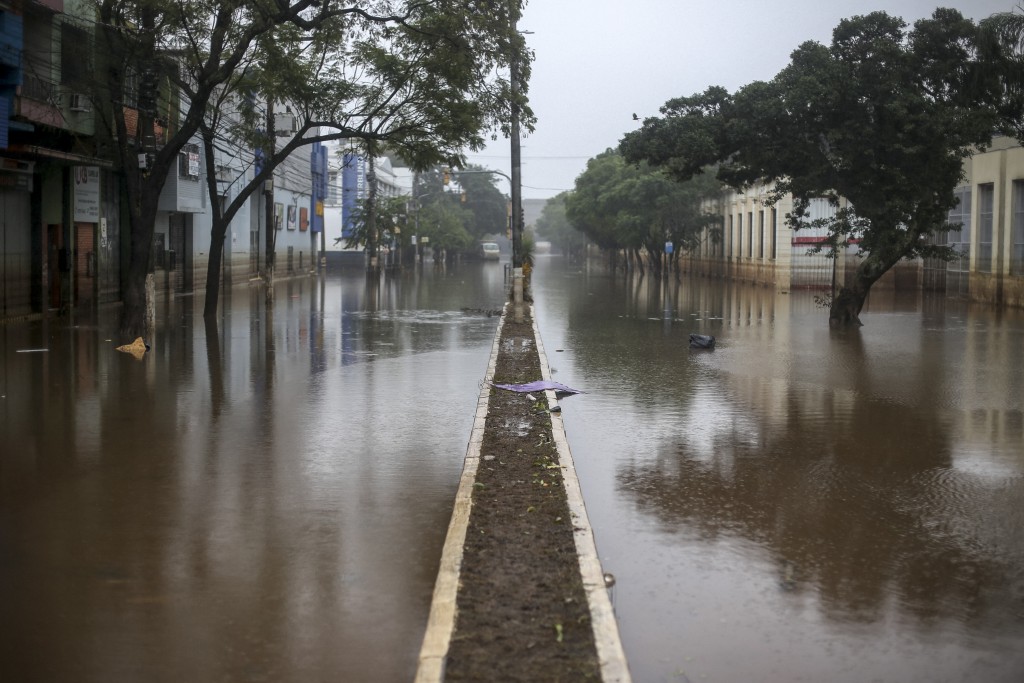
Flavio Bolsonaro had also asked for voting to be extended in at least three states, citing bad weather.
WASHINGTON IS WATCHING
Lula and his allies see Sunday’s runoff as a chance to stem Latin America's conservative drift.
Reuters on Saturday revealed a campaign within Trump's State Department to help get the Bolsonaros back in power.
Trump has so far declined to endorse a candidate. Asked on Sunday who he hoped would win, Trump declined to say.
"I don’t want to get into that, but we are watching," he told reporters in Washington.
Reuters