Dengue fever cases have surged in the Malaysian capital Kuala Lumpur and the surrounding Klang Valley area, the country's health ministry said on Friday, warning of a high risk of transmission as cases of the mosquito-borne illness rise elsewhere in the country.
- The increase in cases in the early stages was mainly concentrated in the Klang Valley area particularly Kuala Lumpur, Putrajaya and the state of Selangor, the ministry said in a statement.
- There have been 58,079 cases since early August, up 56.2% from the same period in 2025, with 55 deaths due to dengue fever complications.
- In Kuala Lumpur and Putrajaya, cases jumped 106%, while the state of Selangor saw a 61% increase compared to the same period last year.
- The ministry said it had implemented intensive and targeted prevention and control measures, including early case detection, vector control and outbreak management, which had begun showing positive results. Still, it said the dengue risk remained high and the national situation was concerning given rising cases in several other states.
- In the northern state of Perlis and southern state of Johor, dengue cases rose 207% and 109%, respectively, as of August 15.
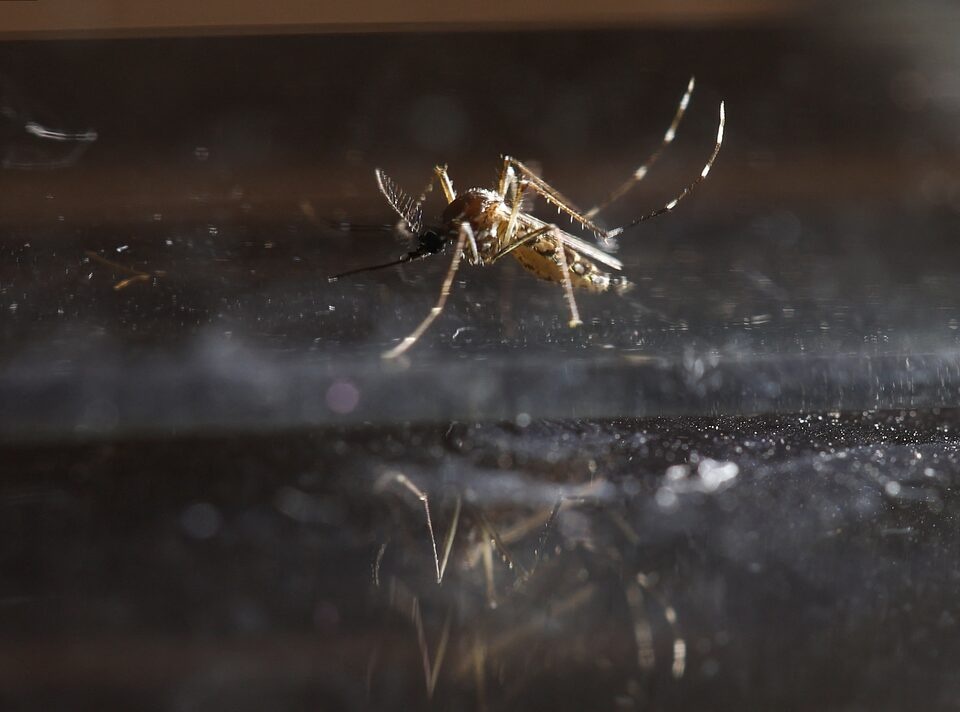
- The virus, which is carried by the Aedes aegypti mosquito, causes severe fever, headaches, rashes and muscle and joint pain. Severe forms can cause haemorrhagic fever. There is no vaccine.
- "The increase in dengue cases is influenced by various factors, including unpredictable weather conditions, namely rainfall combined with hot weather, which creates an environment conducive to the breeding of Aedes mosquitoes. The presence of many water-holding containers that are not maintained in residential areas and surroundings also contributed to the increased risk of Aedes mosquito breeding and the spread of dengue fever," the ministry said.
- The ministry said it would continue to closely monitor the situation and adjust interventions based on epidemiological developments.
Reuters