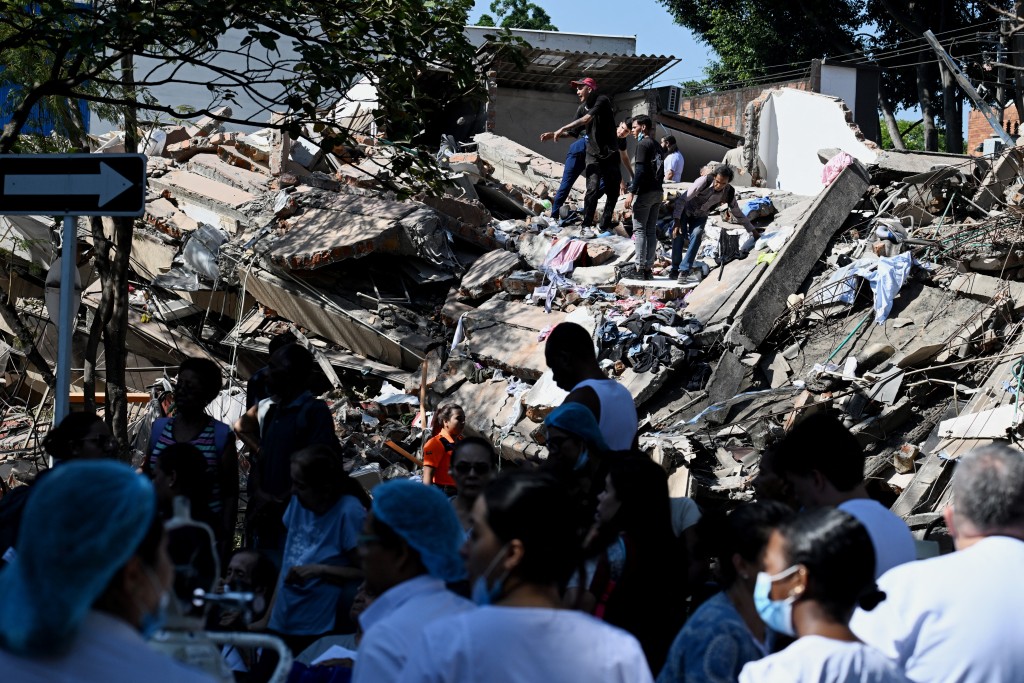
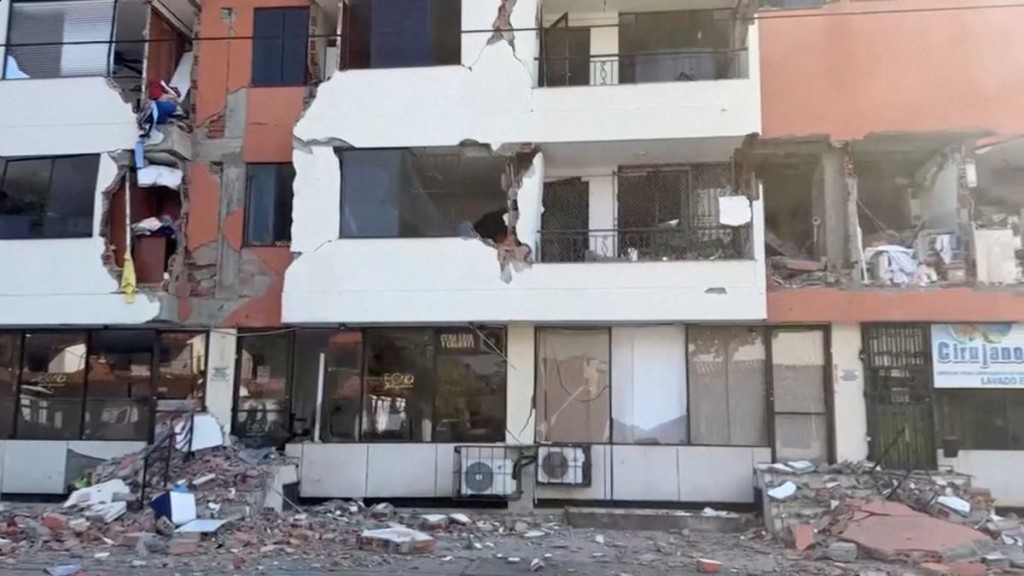
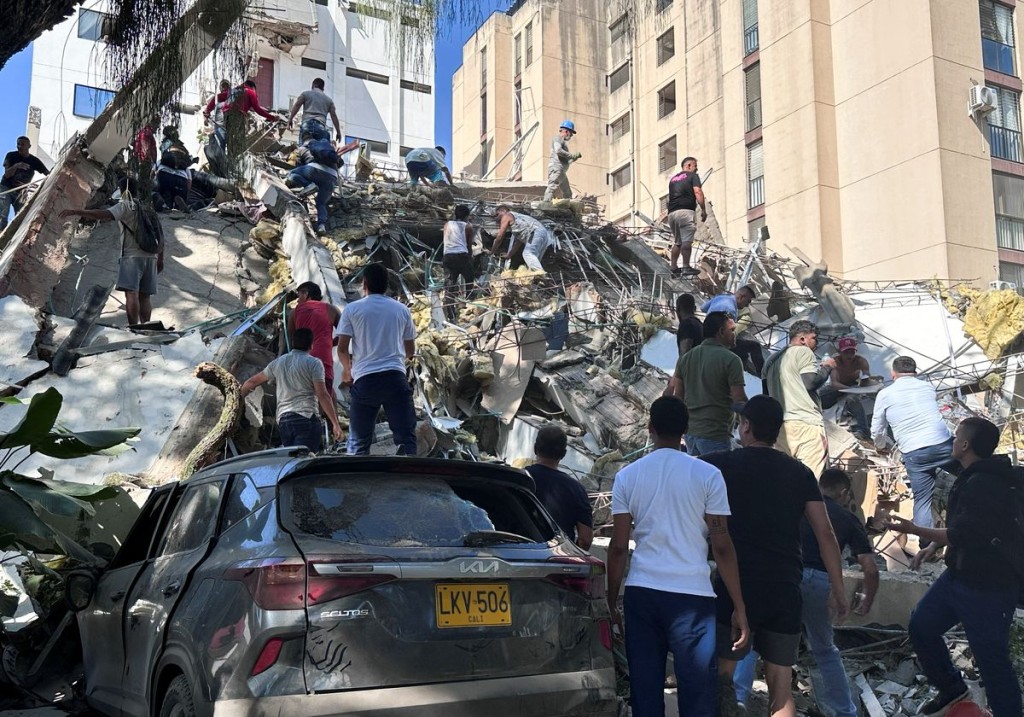
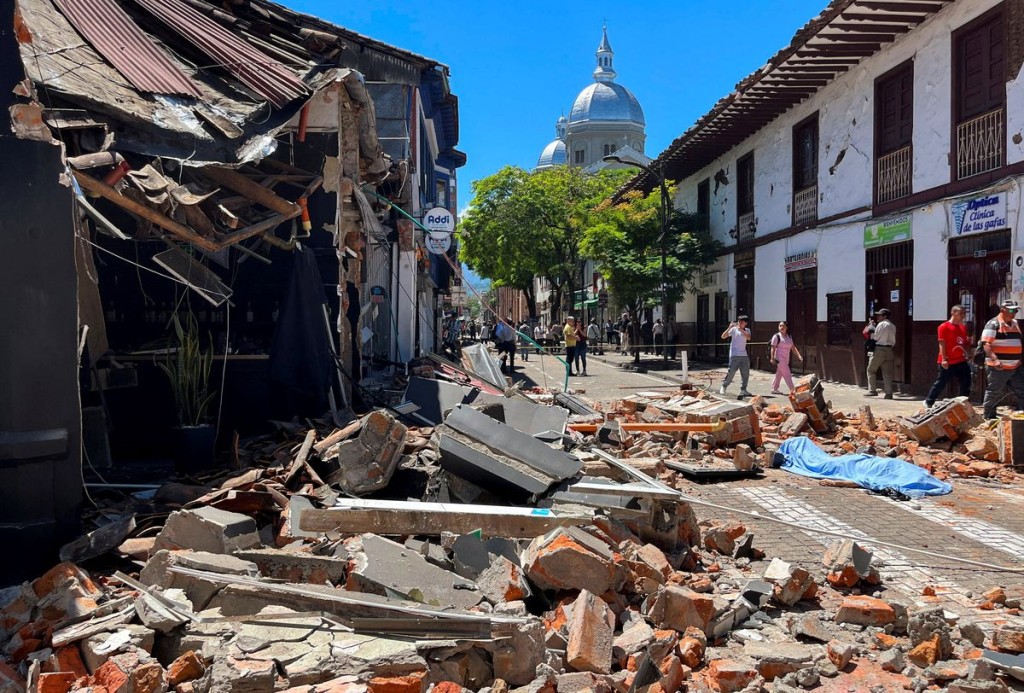
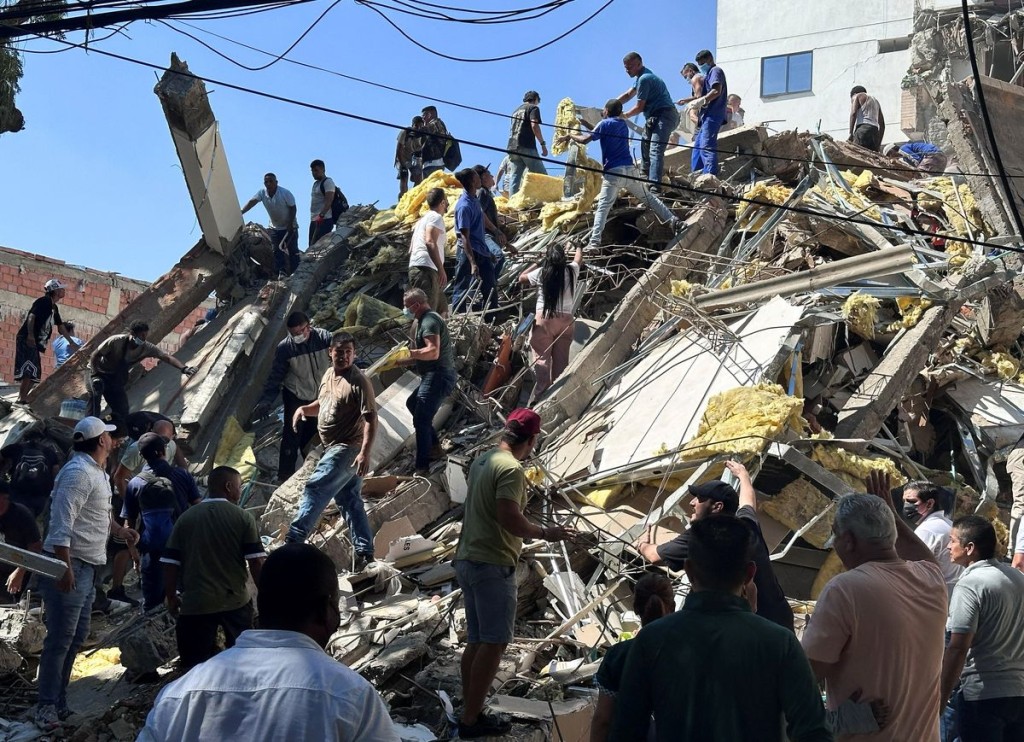
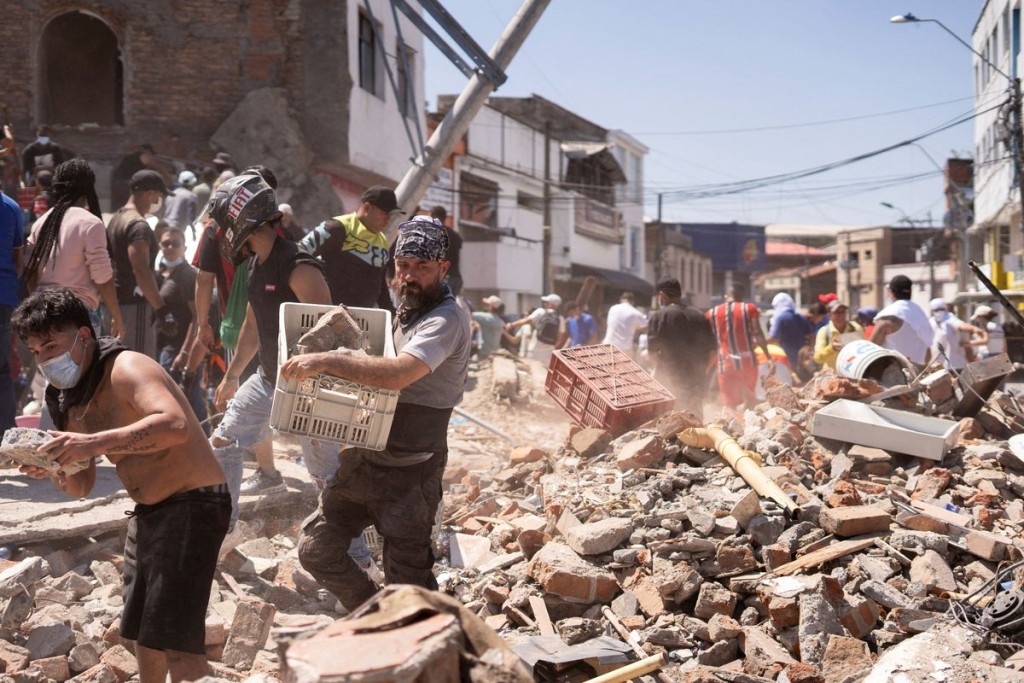
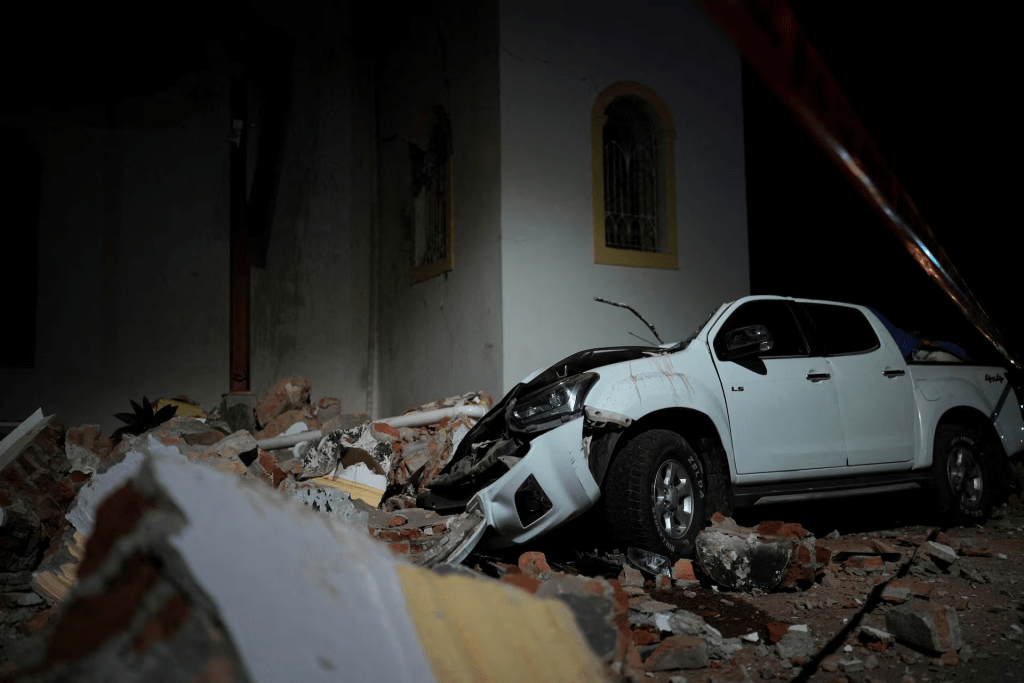
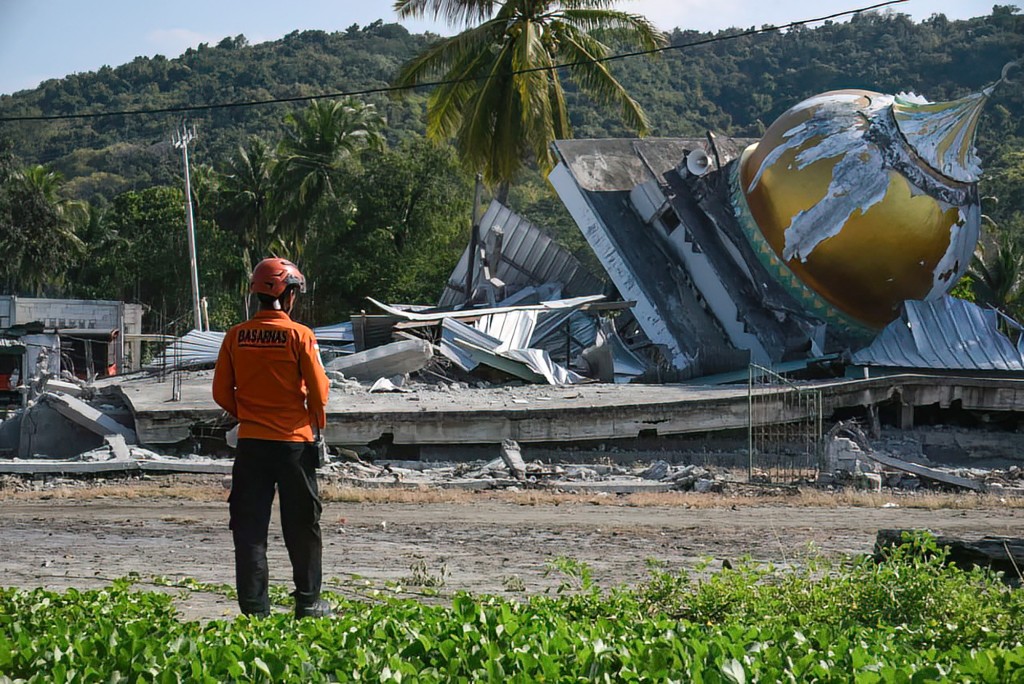
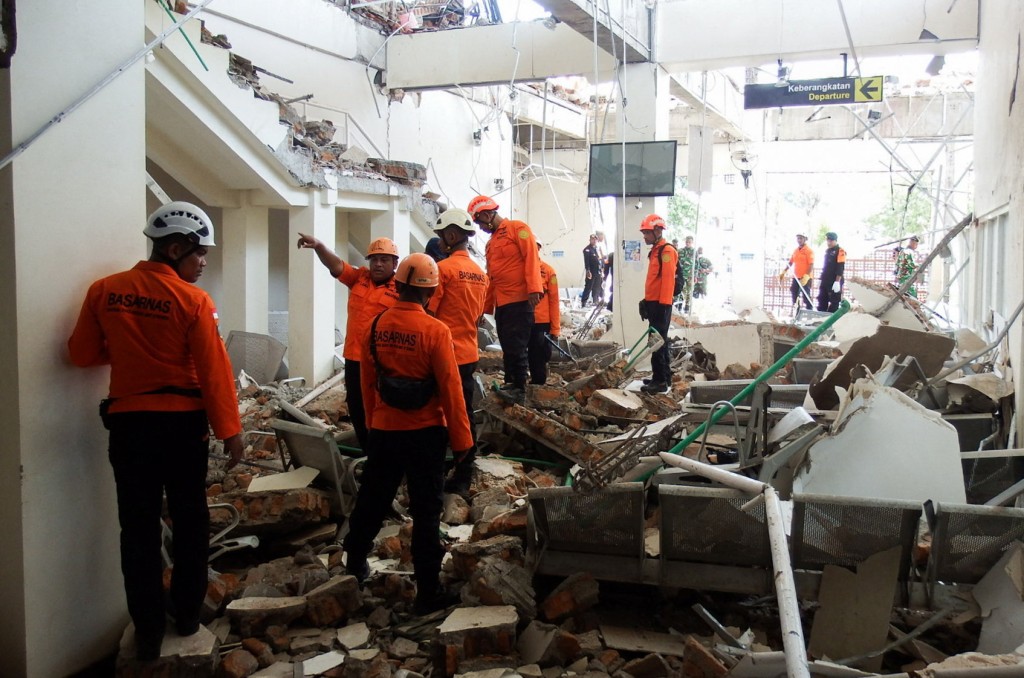
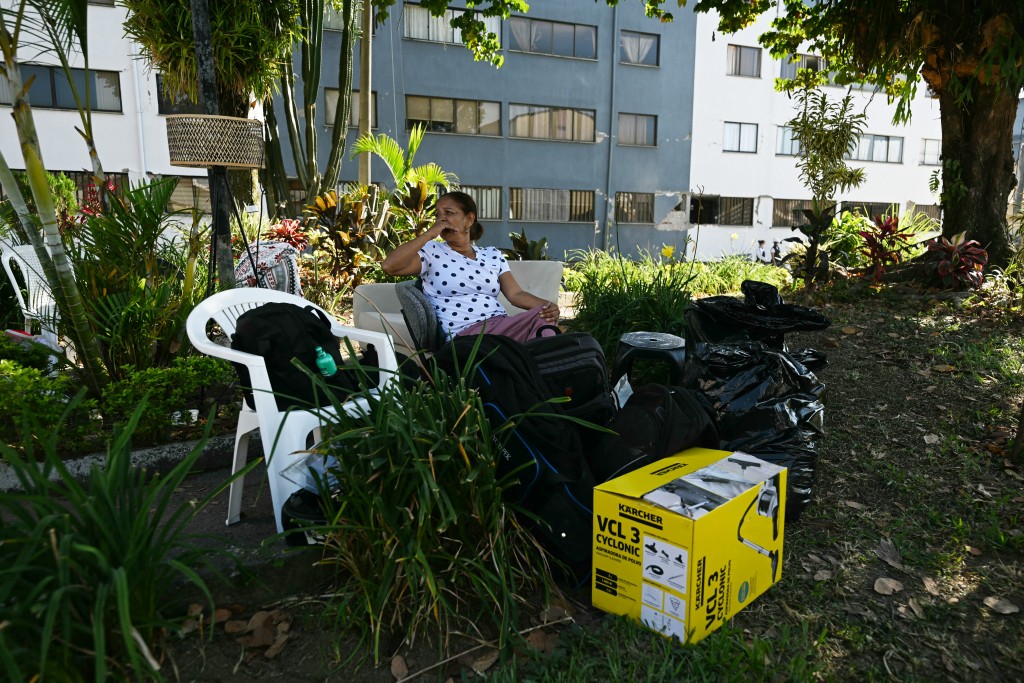
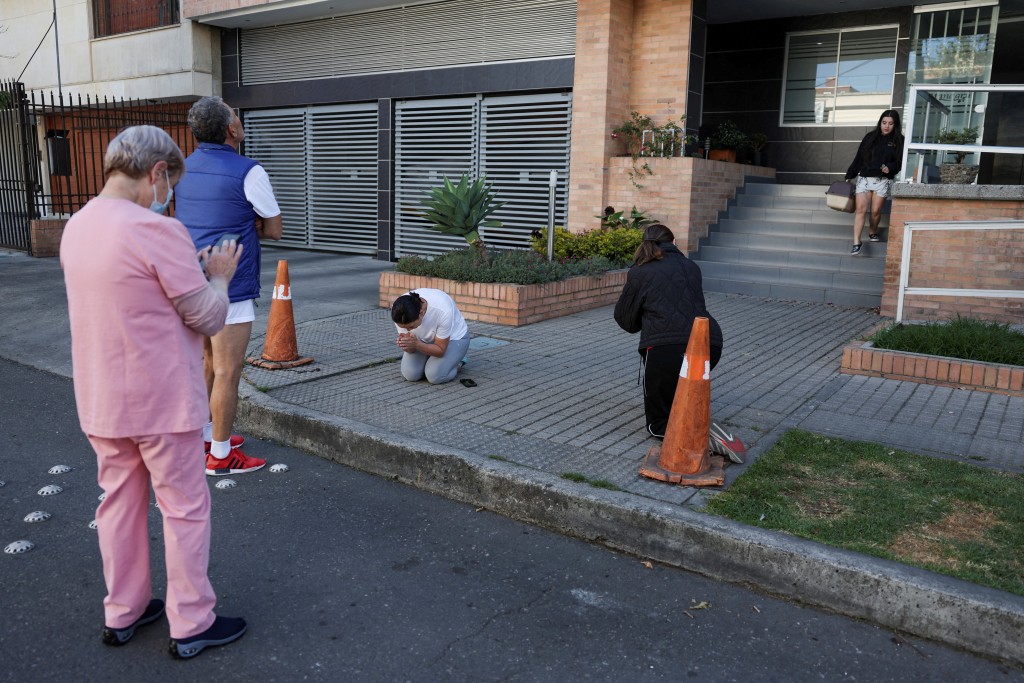
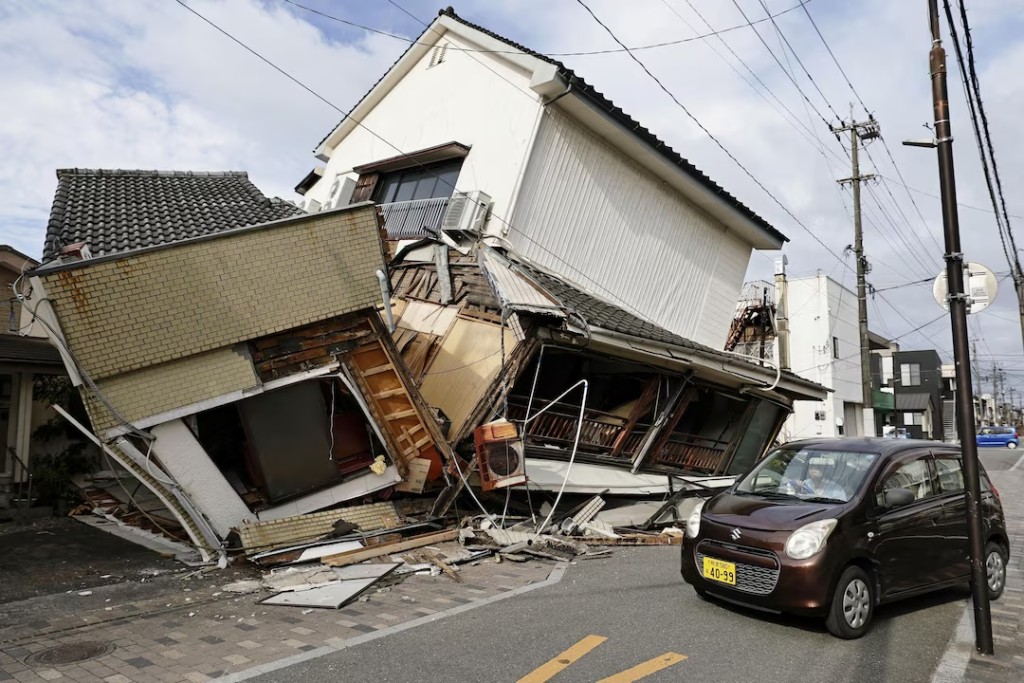
At least 111 people were killed after a powerful earthquake struck western Colombia early on Monday, knocking down buildings across several cities and injuring 87 others, with still more residents trapped in the rubble.
The quake struck just days after Abelardo De La Espriella was sworn in as president, thrusting the new administration into its first major crisis, with memories still fresh of devastating twin earthquakes in neighboring Venezuela in June.
"The national government has all of its capabilities deployed to protect lives, assist affected communities and deliver aid wherever it is needed," he said in a national address around 1 p.m. local time, upon declaring a national state of emergency. "The first priority is rescuing the people trapped under the rubble."
The 7.4 magnitude quake, according to the U.S. Geological Survey, struck at a depth of 107 km (66 miles) near San Jose del Palmar, in Choco, a sparsely populated province on Colombia's Pacific Coast, but was felt in major cities nationwide.
The casualties appeared to be most concentrated in the western province of Risaralda in Colombia's coffee-growing region, and Cali, one of Colombia's biggest cities, was also hit hard, although local officials had yet to confirm any deaths.
"The building completely collapsed. It sounded like a bomb. It was horrible," Juan Carlos Osorio told Caracol Television as he helped remove debris from a collapsed structure in Cali. "All of us neighbors are working together, forming human chains. We need heavy equipment. There are many people trapped."
Colombia's civil aviation authority said flights were suspended at airports in Pereira, Manizales, Quibdo, Armenia, Cartago and Buenaventura while inspectors checked for structural damage.
LAND OF EARTHQUAKES
While Colombia typically registers thousands of small quakes every month, Northwestern University seismologist Suzan van der Lee said the strong magnitude, inland epicenter near soft river valleys and movement of the plates may have contributed to more intense damage.
"This one was far below the (earth's) crust, and in theory, it shouldn't cause as much shaking. At this magnitude, it did actually cause a lot of shaking," she said. "A magnitude 7.4 is about 32 times as powerful as a magnitude 6.4."
Cities in the country's coffee region, including Armenia and Pereira, suffered a devastating 6.2 magnitude quake in 1999, which killed more than 1,000 people.
Reuters