Read More










75 y/o mother defeats blood cancer and runs in first marathon
30-03-2026 12:00 HKT


Six senior counsel appointed
31-03-2026 13:54 HKT

Approval granted for Kai Tak’s six-stop Smart & Green Mass Transit System
31-03-2026 16:27 HKT
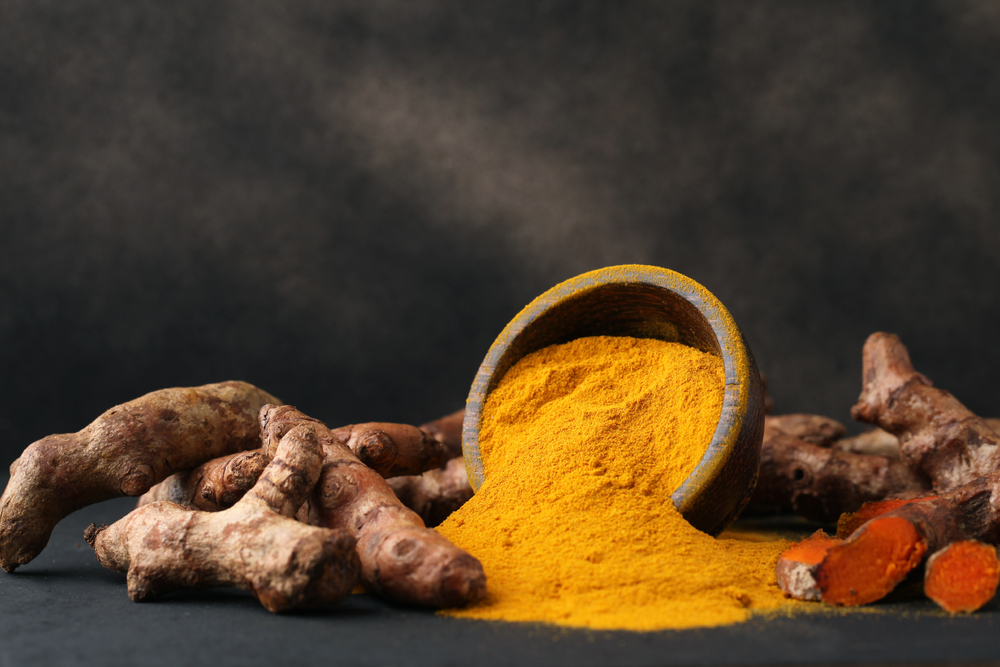
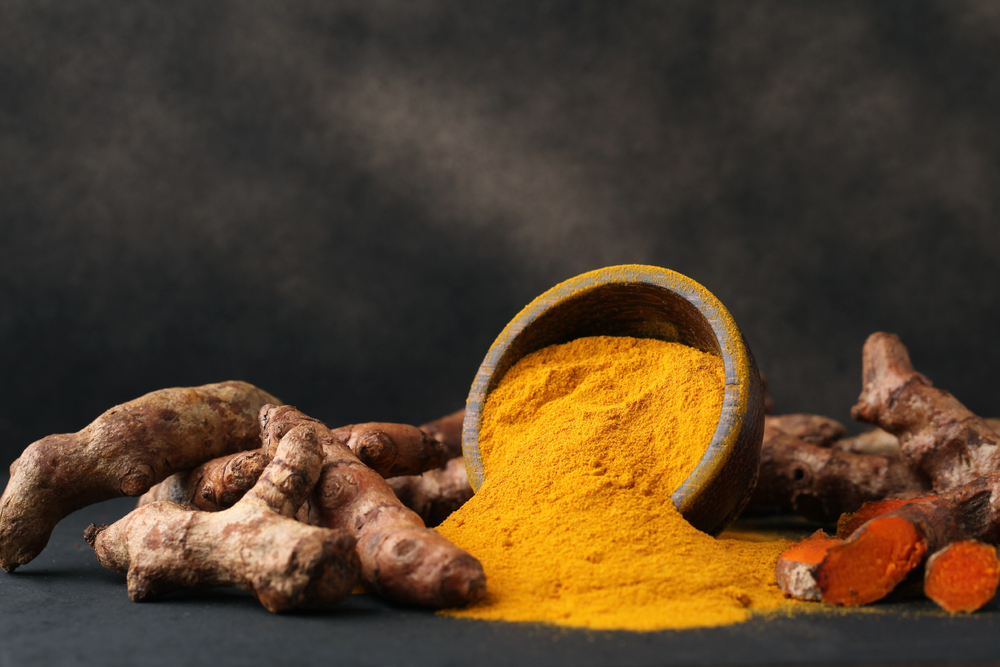
Turmeric has been used for centuries - not just as a cooking spice, natural food pigment, and food preservatives but also as traditional medicine.
The essential beneficial component in turmeric is curcumin, which accounts for more than 2-5 percent. Curcuminoids, a turmeric derivative, are also considered to have significant health benefits.
These two components belong to polyphenols.
In ancient India, turmeric is commonly used for the skin, upper respiratory tract, joints, and digestive system discomfort.
Currently, curcumin is derived from turmeric extract as a dietary supplement to maintain good health for modern people.
Most common diseases are associated with acute and chronic inflammatory conditions - including obesity, type 2 diabetes, arthritis, cardiovascular diseases, and other metabolic syndromes.
Unhealthy diets and harmful habits would cause our bodies to go into a state of long-term low chronic inflammation and trigger a series of immune system responses.
Our bodies use free radicals to clear harmful viruses and bacteria. However, when free radicals are at a high level, oxidative stress increases, and DNA and cells are damaged. As time passes, aging is accelerated when the body does not have a corresponding mechanism to remove free radicals, and the chance of chronic diseases is increased.
Studies show that curcumin inhibits the release of inflammatory signals (NF-KB). It has antioxidants neutralizing free radicals and substances suppressing inflammatory responses, reducing inflammatory cell proliferation and invasion.
In addition to anti-inflammation, a 2012 study also showed that curcumin may help obese patients to control blood lipid levels.
The double-blind, randomized control study selected 120 subjects with a body mass index average higher than 25, a blood cholesterol level above 200mg/dl, and a triglyceride level above 150mg/dl. They were randomly divided into two groups: one consuming 1.4 grams of turmeric extract per day, and the other a placebo.
After three months, the blood lipid levels of those who took the turmeric extract improved.
On average, their total cholesterol levels decreased by about 31.6 percent, triglyceride levels dropped by 39.3 percent, low-density lipoprotein levels (or bad cholesterol) went down by 41.5 percent, and high-density lipoprotein levels (or good cholesterol) increased by 3.4 percent.
In contrast, no significant improvement in lipid levels was found in the placebo group.
Moreover, turmeric can, to some extent, ameliorate obesity, arthritis, type 2 diabetes and symptoms of inflammatory bowel disease.
However, curcumin is fat-soluble. It can be easily excreted from our bodies, so it is not easy to be fully absorbed and used by our bodies.
Turmeric can be consumed with food containing healthy fats, such as avocado and salmon, to facilitate absorption. Modern dietary supplements are produced with advanced extraction technology and the addition of synergetic ingredients so that their functions can be maximized inside our bodies.
Super nutrients can assist in keeping our bodies in better condition.
However, we should not forget to practice a healthy diet and lifestyle, as well as moderate relaxation and reducing unnecessary stresses, in such a way that we will have complete protection both physically and mentally.
Yan Luk is a nutritionist with Jeunesse Global Group