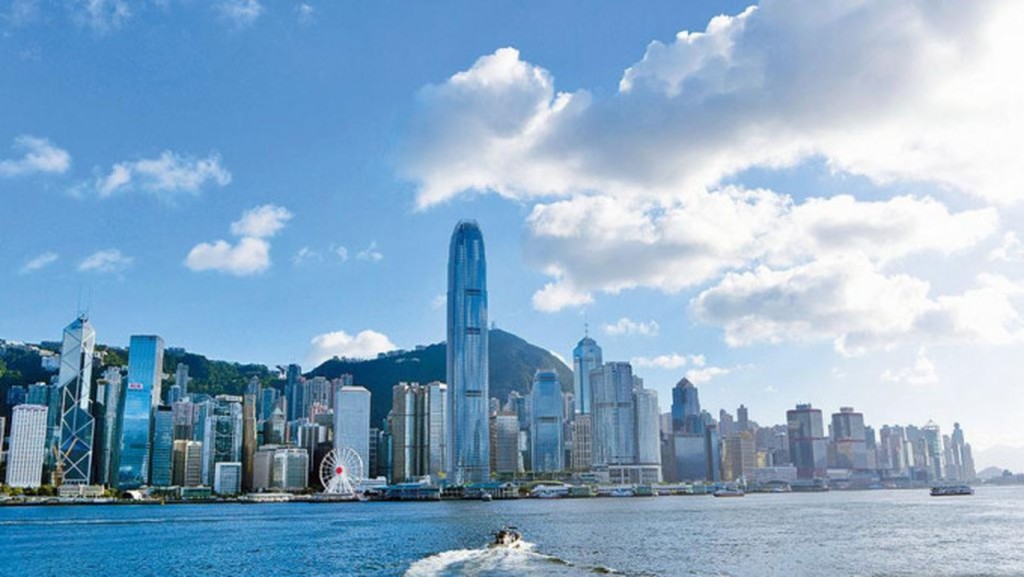
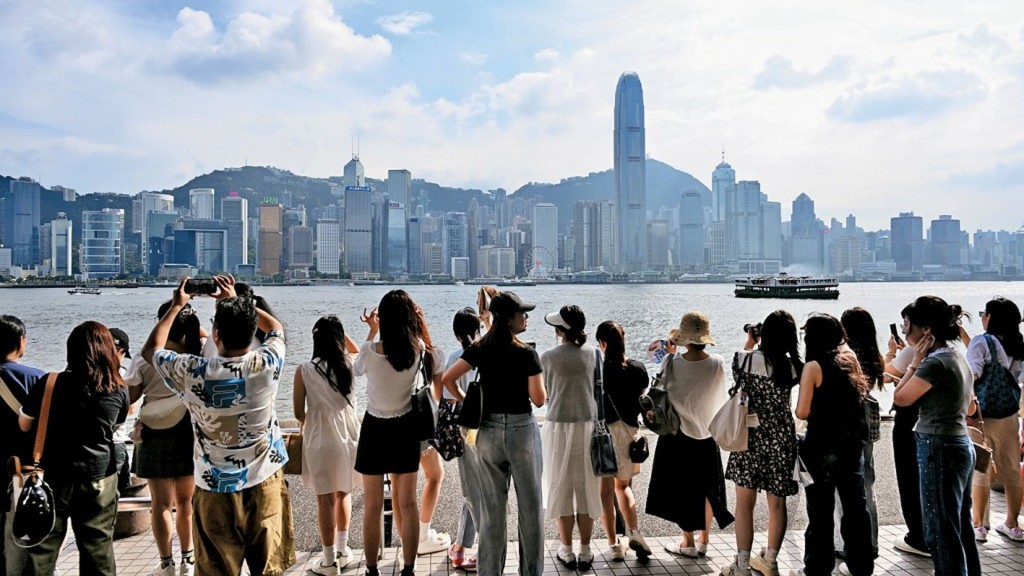
Hong Kong’s tourism sector is showing clear signs of a diversified recovery. While mainland Chinese visitors have long been the backbone of the city’s travel industry, this year’s data reveals a promising shift: non-Chinese markets are gaining momentum, with long-haul and new markets growing 30 to 40 percent year on year in January. This suggests Hong Kong tourism has substantial room for expansion beyond its traditional base. The Hong Kong Tourism Board’s strategy to allocate 75 percent of promotional efforts toward non-Chinese visitors appears well-timed.
Short-haul surprises: Southeast Asian markets rise 28 to 46 percent
Even short-haul markets familiar with Hong Kong – such as Singapore, Malaysia, and Thailand – recorded robust growth between 28 percent and 46 percent.
These markets, despite their existing knowledge of Hong Kong’s Chinese cultural offerings, continue to show strong appetite for repeat visits, indicating untapped potential in curated experiences like food trails and festival tourism.
Europe’s quiet boom: France up 53 percent, though numbers remain low
Meanwhile, English-speaking long-haul markets including the United States, the United Kingdom, and Australia saw increases ranging from the teens to 30 percent. More strikingly, European markets – though visitor numbers are still relatively small at under 20,000 visitors each – posted impressive gains: France rose 53 percent, Germany 37 percent, and the Netherlands is also on an upward trend. These figures indicate that many European markets remain underdeveloped and offer significant growth potential.
A cautionary note: Middle East crisis and rising airfares
However, caution is warranted. The ongoing Middle East conflict has triggered a surge in airfares and reduced flight availability, which could deter potential travelers despite their interest. Hong Kong must monitor these external shocks closely and consider flexible booking incentives or regional airfare subsidies to mitigate the impact.
Targeted strategies for sustained growth
To further strengthen this momentum, Hong Kong should adopt targeted strategies for high-potential segments. For example:
* Southeast Asia: Launch joint promotions with other airlines offering bundled city-and-transit packages, highlighting Hong Kong – with its dining and nightlife – as a short-break destination.
* Europe: Partner with luxury travel fairs in Paris and Milan to promote Hong Kong’s heritage trails, hiking routes, and wellness retreats, appealing to slow-travel enthusiasts.
* Emerging markets, such as the Netherlands and Spain: Introduce Spanish audio guides at key attractions like M+ and Hong Kong Palace Museum, and collaborate with airlines on stopover-friendly fares.
Balancing proactive marketing with crisis-aware planning can turn Hong Kong’s tourism growth into a sustainable, multi-market boom.