Sweaters are essential for the cold winter season, especially those made from natural materials like wool and cashmere, which offer excellent warmth. However, as the weather gradually warms, it's time to start thinking about putting away winter clothes. Improper washing and storage can lead to shrinking or moth damage. Experts explain the correct way to wash sweaters, how to restore them if they shrink, and important precautions to take when washing.
Although we don't sweat heavily in winter, knitwear and sweaters can still develop odors if worn for extended periods. Japanese media FNN Prime Online interviewed laundry experts Yuichi Nakamura and Kensuke Kanzaki, who explained the correct way to wash sweaters. Nakamura points out that when washing wool or cashmere sweaters at home, extra care is needed. The surface of these fibers has a cuticle layer, similar to human hair, which opens up when absorbing water. If vigorously rubbed in this state, the fibers tighten and tangle together, causing the sweater to shrink—a process known as felting. Once a sweater felts, it cannot return to its original state. Because its texture has changed, even stretching it to regain some size will not restore the wool's functionality and feel.
Kanzaki states that the best way to wash knitwear and sweaters is by hand. Following the steps below can help avoid shrinkage or loss of warmth:
Correct Sweater Washing Method
- Fill a basin with water and add an appropriate amount of mild liquid detergent (use cold water, not hot).
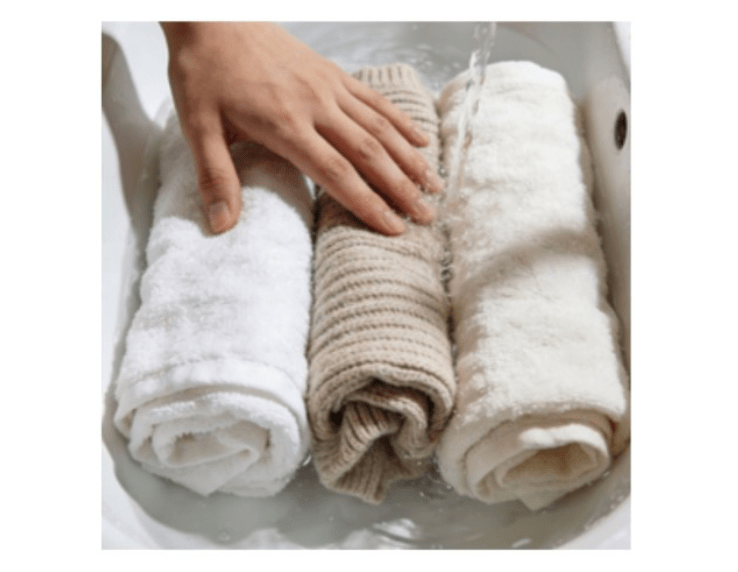
- Fold the sweater between two towels. Submerge them in the basin and press down to let water flow through.
- Lift the sweater and towels together to drain excess water.
- Repeat steps 2-3 five to ten times.
- Soak for about 10 minutes.
- Change the water and repeat step 2 for rinsing.
- Remove the sweater and towels from the basin, replace with dry towels, and blot to absorb moisture.
- Lay flat to dry in a well-ventilated, shaded area.
The two experts also highlight several important points for washing sweaters:
- Wash Once Per Season: Washing a sweater after every wear is overwashing. If there is no odor or stain, washing it once at the end of the season is sufficient.
- Dry Cleaning is Best: To keep wool sweaters in good condition, dry cleaning is recommended. If washing at home, choose a gentle or delicate cycle, which minimizes agitation inside the machine and is suitable for fibers like wool that are prone to shrinkage or pilling.
- Check the Label: Follow the washing instructions on the product label. Use neutral detergent, as wool fibers are made of protein; using a mild alkaline detergent can cause the wool to dissolve or become damaged.
- Dry Flat: When drying knitwear, avoid hanging it on a hanger, as this can stretch and deform it. It is recommended to lay it flat on a table or use a flat drying net.
- Air Out Odors: If a sweater has absorbed smells like barbecue or cigarette smoke, try airing it out for 2-3 days first. Many odors will disappear after a few days of airing. If the smell persists, then it's time to wash it. Instead of wearing the same sweater repeatedly, rotate between several, so they only need dry cleaning once at the end of the season.
How to Restore a Shrunken Sweater?
Experts advise that for tightly knit sweaters that have shrunk, steam can be used to soften the fabric, which can then be stretched and set to restore its original shape. Gently press an iron against the sweater, allowing steam to fully penetrate and soften the fibers. Then, stretch the sweater horizontally and vertically, holding it in place until the iron cools down, which sets the shape. Repeat this process to restore the original size. The iron's steam is also effective for smoothing wrinkles, making this a handy trick when changing seasons.
Storage and Dehumidification Tips
When storing knitwear for seasonal changes, take care to prevent mold and moth damage. Mold is composed of countless invisible particles. If you find small, fluffy white spots on the surface, other clothes in the same bag or wardrobe may also have mold and will need to be rewashed. The period when mold most easily grows is the humid spring and summer seasons. Controlling humidity and ensuring good ventilation are key to prevention. Ideally, humidity should be kept between 40-60%. If humidity in the wardrobe exceeds 60%, it is too high; use a dehumidifier or dehumidifying agent.
Additionally, mothballs or anti-moth sheets can be used to prevent insect damage. Their principle is to release chemical vapors that reduce pests' appetite. Since these vapors are heavier than air, the most effective method is to place the mothballs on top of the folded, stacked knitwear. Placing them in the gaps between clothes prevents the active ingredients from dispersing evenly.