





Read More



Daily 10-minute "zero-sweat fat loss method" can reduce waistline by 5cm
14-05-2026 12:00 HKT






Hong Kong: a familiar, trusted partner for Australian businesses
11-05-2026 06:00 HKT


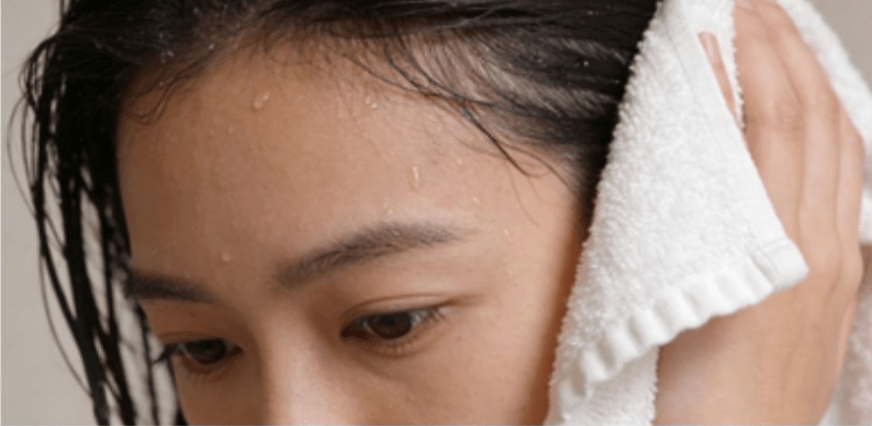
Many people believe that the hot air from a hairdryer damages hair, so they choose to let it air-dry instead. However, a hair expert explains that air-drying can actually be more harmful, and shares three correct blow-drying steps that can improve hair texture and scalp health.
According to a report by Japanese media FNN Prime Online, hair expert Noriko Motoyama points out that many people think the hot air from hairdryers damages hair. However, air-drying can actually harm hair more easily. Hair proteins are susceptible to heat damage only when exposed to temperatures approaching 100 degrees Celsius. When a hairdryer is used on wet hair, it is unlikely to reach such high temperatures, so the impact on the hair is minimal.
It is very important to dry hair quickly with a towel or hairdryer after washing. Within 2 to 3 hours after washing, the scalp secretes sebum to protect the skin. If moisture remains on the scalp at this time, the water and oil can mix, creating an environment where bacteria easily multiply. In the worst-case scenario, mold can even develop. Motoyama outlines three correct steps for blow-drying hair:
First, use a towel to absorb excess water, but avoid vigorous rubbing, as wet hair is prone to damage. To absorb moisture, sandwich hair between a towel and gently press. For long hair, wrap it in a towel and squeeze to help it dry faster. For short hair, it is also recommended to wrap the entire head with a towel and massage the scalp with your fingers.
Thoroughly drying the hair and scalp is crucial. The trick to drying hair quickly is to set the hairdryer to its highest airflow setting and direct it toward the scalp. Areas behind the ears and the nape of the neck are often overlooked, so start by directing airflow from the sides of the head toward the back of the head, drying carefully. If hair is long, you can bend forward or lift sections of hair to allow airflow to reach the scalp. The temples are areas where blood flow and muscles controlling blood vessels are located; directing warm air from the sides of the head is said to promote blood circulation. After drying the scalp from the sides to the back of the head, use the same method to dry the scalp on top. Hair ends dry quickly, so after drying the entire scalp, gently dry the ends.
Once the scalp is dry, switch the hairdryer to the cool setting and blow over all the hair and scalp. Motoyama explains that using hot air opens the hair's cuticles, making hair feel rough. Finishing with cool air while using your fingers to comb through the hair helps close the cuticles, giving hair more shine. Additionally, using cool air on the scalp effectively lowers its temperature, reducing stickiness caused by sweat. Alternating between hot and cool air can also help prevent scalp dryness.
Motoyama advises that for hair prone to damage, using a leave-in conditioner is recommended. Permed or colored hair has more easily opened cuticles, making it more vulnerable to damage. It is advisable to apply leave-in conditioner before blow-drying.