Read More









75 y/o mother defeats blood cancer and runs in first marathon
30-03-2026 12:00 HKT



Six senior counsel appointed
31-03-2026 13:54 HKT


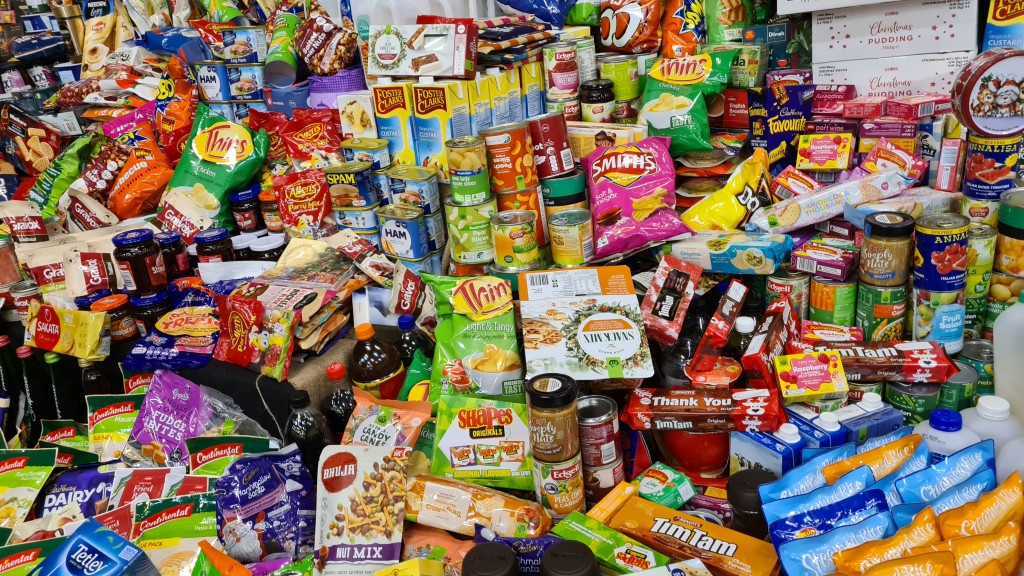
Daily diet affects whether the body accelerates or delays aging. Experts propose 5 longevity eating habits that help stabilize blood sugar, prevent vascular aging, and keep the body young. What snacks are beneficial for combating aging? How many meals per day are more favorable for blood sugar?
Japanese media Kaigo Post Seven interviewed various doctors, medical PhDs, and nutritionists, who collectively agreed that daily diet directly affects the speed of cellular aging. Good eating habits can delay aging. They recommend the following 5 longevity eating habits, which help maintain the health of various organs—including skin, hair, nails, muscles, blood vessels, internal organs, and cells—as well as overall cellular health:
Nutritionist Rieko Mochizuki states that eating five small meals a day is more effective at preventing blood sugar spikes than three meals a day. Even though three meals a day (breakfast, lunch, dinner) is generally considered healthy, it is not as effective as five small meals at preventing overeating. Blood sugar fluctuations can damage cells. Even with the same total calorie intake, dividing food into five meals can prevent blood sugar levels from rising too quickly.
Additionally, eating five small meals a day reduces the risk of producing reactive oxygen species—aging substances caused by hunger-induced stress—and also helps prevent vascular aging, making it less likely for people to overeat due to hunger.
Mochizuki points out that a hearty breakfast can reset the body's biological clock, promote hormone secretion, and activate longevity genes. Lunch can also be substantial. For dinner, however, even if you eat the same foods, blood sugar levels tend to rise more easily, and blood vessels age more readily. Therefore, she recommends keeping dinner light.
Dr. Yoshihiro Yoshimura, a specialist in geriatric medicine and rehabilitation nutrition, states that eating snacks can actually delay aging more than not eating snacks at all. Without snacks, the intervals between meals become longer, leading to excessive hunger and overeating at main meals, which causes sharp blood sugar spikes. He suggests having a small, healthy snack between meals—such as sugar-free yogurt, eggs, or nuts—to prevent sharp rises in blood sugar.
Medical PhD Kokoro Sano notes that while eating fats first can slow blood sugar elevation by consuming high-quality fats, eating vegetables first not only provides dietary fiber to combat blood sugar spikes but also requires more chewing than fats, resulting in better blood sugar suppression.
Sano emphasizes that while protein is one of the three essential macronutrients and indispensable, the key to health lies in a balanced diet. Avoid consuming excessive protein, which can lead to nutritional imbalances or overload the kidneys. Focus on choosing a rich variety of ingredients. Aiming for 30 different types of food per day can help keep the body young.