After a long day of fatigue, cherishing the few precious hours before sleep to do things you enjoy is a great pleasure. However, some after-work relaxation habits can actually place a huge burden and stress on the heart, hindering the body's self-repair mechanisms. A doctor has identified 7 evening habits he absolutely avoids to protect heart health. Watching dramas before bed and exercising at night are among the culprits that prevent the heart from truly resting!
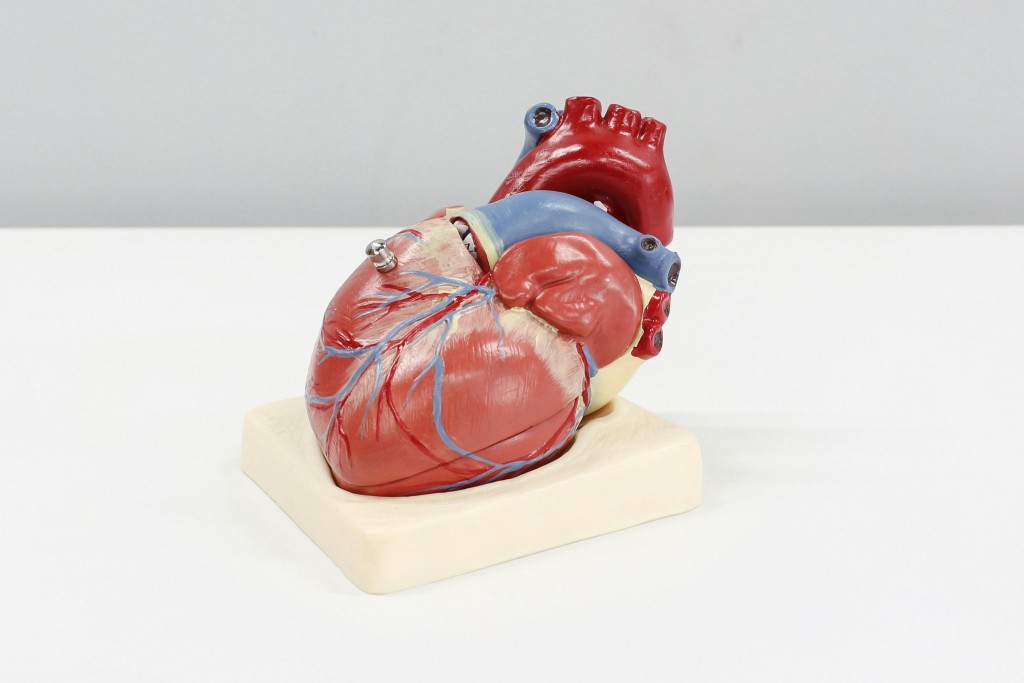
According to a report by CNBC, cardiologist Dr. Sanjay Bhojraj states that heart disease is the result of accumulation over time. One factor that profoundly impacts cardiovascular health but is often overlooked is the "after-work to pre-sleep" evening routine. What you do during this time determines whether your body can successfully enter "repair mode," day after day, significantly affecting blood pressure, inflammation levels in the body, blood sugar regulation, and sleep quality.
- Indulging in Late-Night Snacks: The body's metabolism follows its circadian rhythm. In the evening, the body's efficiency in processing blood sugar and fat significantly decreases. Eating too late or having a midnight snack can cause post-meal blood sugar spikes, disordered lipid metabolism, and increased inflammatory signals in the body. More importantly, when the digestive system is forced to work overtime in the middle of the night, it directly hinders the body's self-repair, a mechanism crucial for maintaining vascular health.
- Keeping Bright Lights On: After sunset, continued exposure to strong, blue-toned light can severely suppress the secretion of melatonin. Melatonin is not only a sleep hormone but also an important "antioxidant" for the cardiovascular system and a key substance in regulating blood pressure. Research has confirmed that nighttime light pollution is directly associated with the risk of coronary heart disease and nighttime blood pressure imbalance. Before sleep, turn off overhead lights, use floor or table lamps, choose warm-toned light bulbs, or dim the lights to a softer setting.
- Watching Tense or Exciting Programs: Intense political debates, dramatic reality shows, television dramas building to a climax, or close-scoring sports matches are not suitable for viewing at night when you most need to relax. This is because the nervous system cannot distinguish that it's just a performance. This psychological stress directly triggers the body's instinctive "fight or flight" response, promoting the release of large amounts of stress hormones, causing heart rate and blood pressure to spike instantly. Decades of research show that both acute and chronic stress can lead to "endothelial dysfunction," the earliest stage of cardiovascular disease. Programs that provoke strong emotional reactions, excitement, and tension are best saved for daytime on weekends, giving the nervous system sufficient time to buffer.
- Strenuous Exercise: While exercise is one of the most beneficial habits for the heart, timing is crucial. Allowing the body to properly repair itself in the evening is equally critical for maintaining cardiovascular health. Doing high-intensity exercise too late in the day keeps the stress hormone "cortisol" elevated, preventing the body from switching to "rest and repair" mode. This can make it difficult to fall asleep or cause an excessively high heart rate during sleep, reducing Heart Rate Variability (HRV) and compromising cardiovascular resilience. Therefore, high-intensity training should be avoided after 9 PM.
- Drinking Alcohol to Relax: Even moderate drinking at night can severely disrupt sleep structure, suppress REM sleep, and interfere with melatonin production. Sleep deprivation exacerbates inflammatory responses. Additionally, alcohol can increase the resting heart rate during sleep and weaken the normal nighttime dip in blood pressure, all of which lead to a sharp increase in cardiovascular risk.
- Emotional Conversations: "Couples should make up before bed" isn't necessarily good advice. Anger and emotional agitation can cause cardiovascular stress, including cortisol spikes and decreased heart rate variability. For those with pre-existing heart conditions, this could even trigger arrhythmias or a heart attack. Therefore, even important topics should be discussed before the pre-sleep period to avoid arguments with your partner that disrupt relaxation and rest.
- Constantly Looking at Screens: The blue light emitted by phones, tablets, and televisions can delay melatonin release, disrupt the circadian rhythm, cause difficulty falling asleep, and reduce sleep quality. Chronic sleep deprivation is independently associated with high blood pressure, insulin resistance, systemic inflammation, and increased cardiovascular risk. Protecting the stability of your sleep means supporting your heart's long-term function.