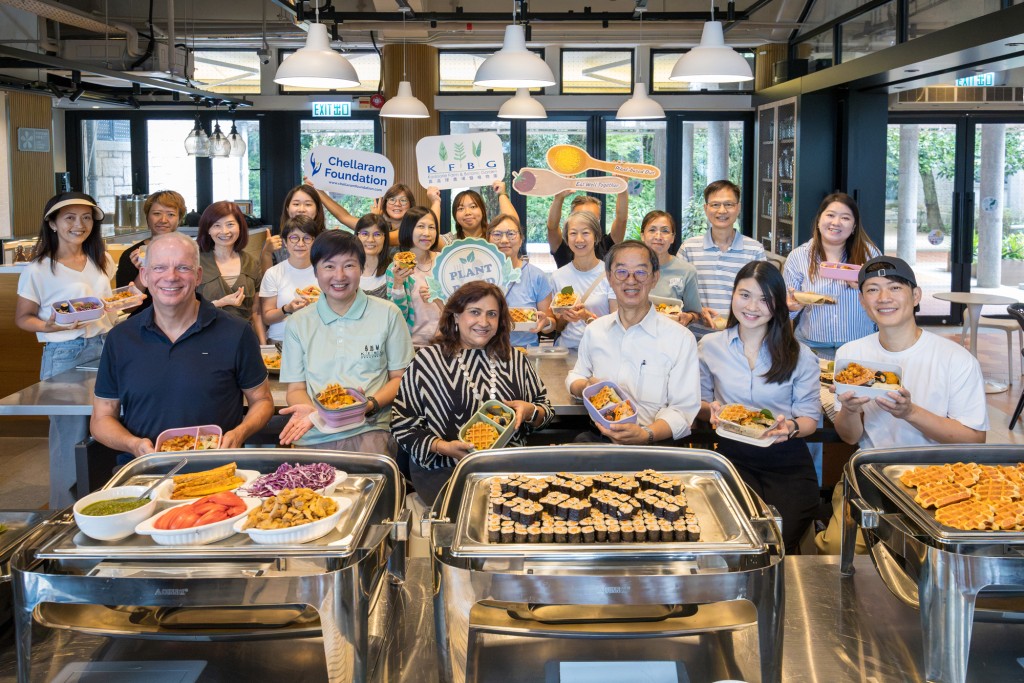
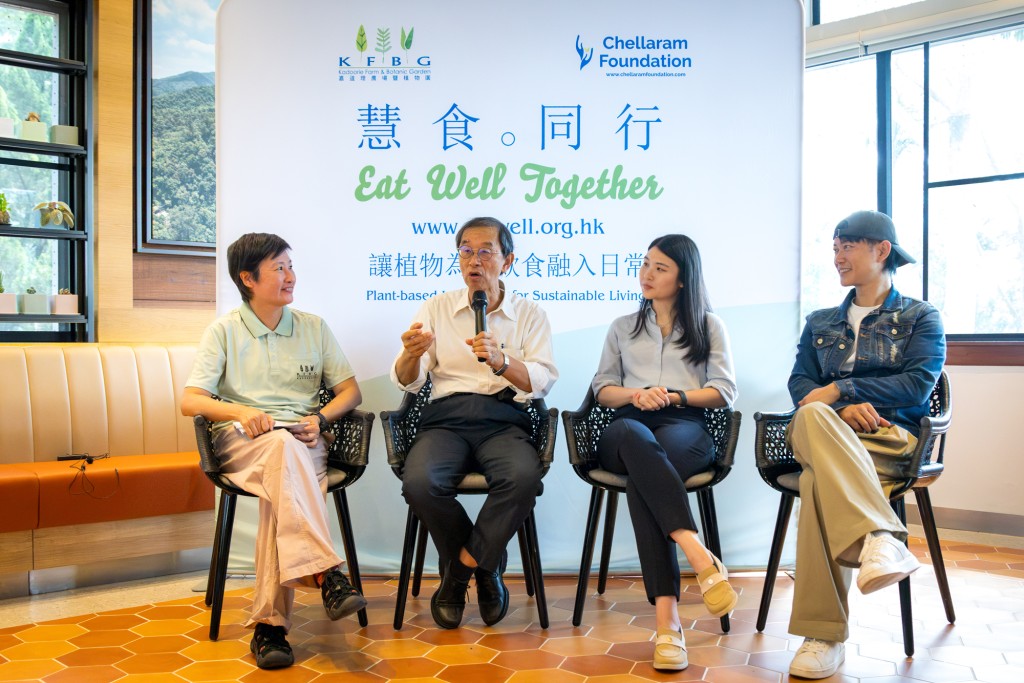
Eat Well Together is a new community program launched by Kadoorie Farm and Botanic Garden and the Chellaram Foundation to encourage people in Hong Kong to explore more plant-forward eating in their everyday lives.
Changing the way people eat does not have to begin with a complete overhaul of the dinner table. Sometimes, it can start with one meal, one ingredient or simply trying something new.
ADVERTISEMENT
SCROLL TO CONTINUE WITH CONTENT
That is the idea behind Eat Well Together, a new community program launched by Kadoorie Farm and Botanic Garden and the Chellaram Foundation to encourage people in Hong Kong to explore more plant-forward eating in their everyday lives.
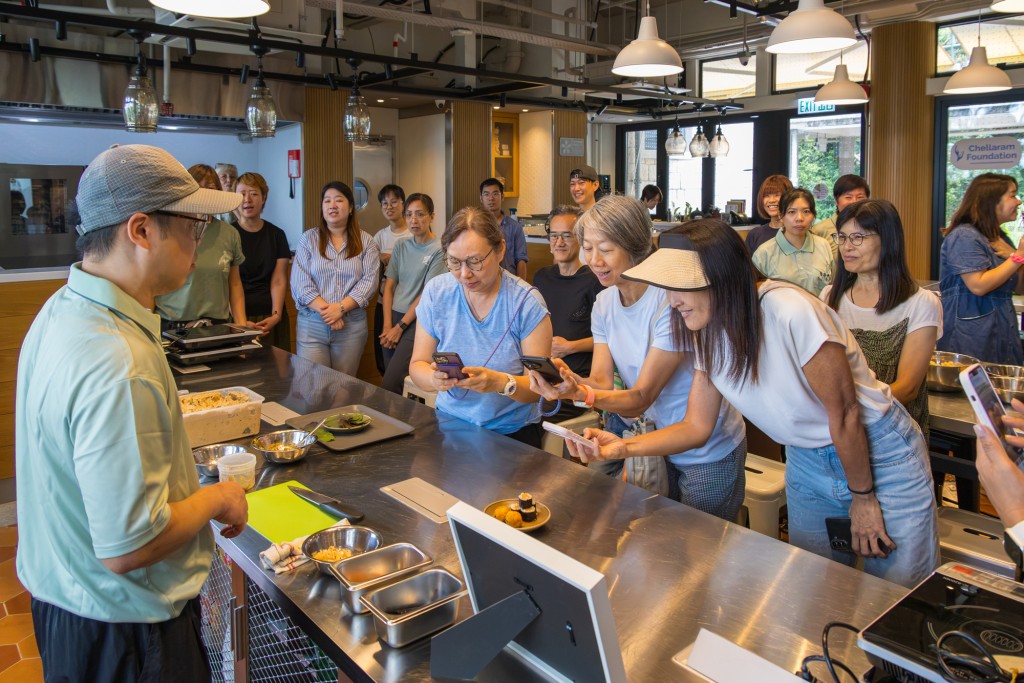
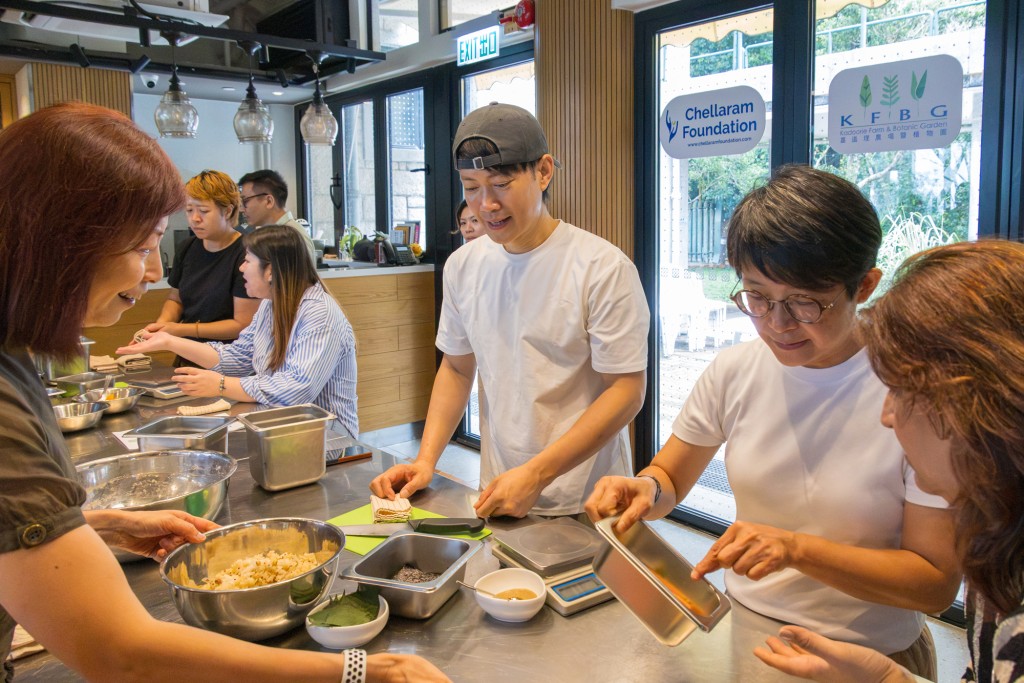
Rather than asking participants to give up meat entirely, the program promotes gradual and practical changes through cooking workshops, recipes, online resources and shared experiences.
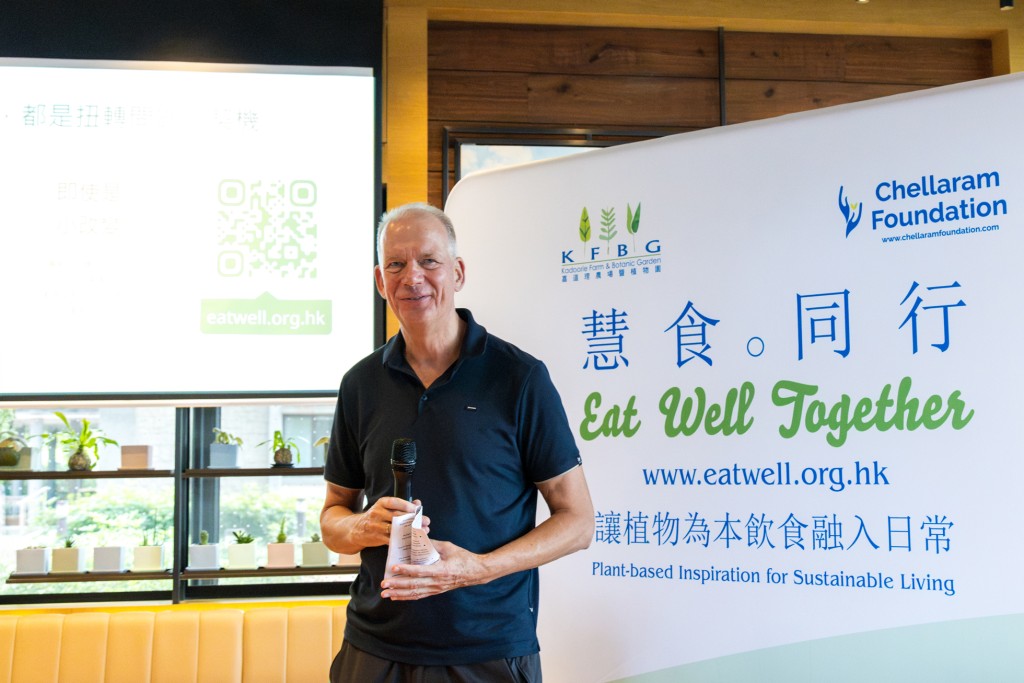
Wander Meijer, executive director of KFBG, said food choices were closely connected to both personal well-being and the environment.
“At KFBG, we see food not only as a matter of personal choice, but as a point of connection between human wellbeing, ecological health and the kind of future we are collectively shaping,” he said.
“We hope to create a platform where people can explore how everyday eating habits are linked to wider issues such as climate resilience, biodiversity, food culture and community care — and, importantly, discover that positive change can begin in ways that are grounded, practical and shared.”
+1
The program comes as plant-forward diets are increasingly discussed as one way of responding to challenges including climate change, biodiversity loss, public health and food security.
For Eat Well Together, however, the emphasis is less on following a strict diet and more on making changes that can fit into busy Hong Kong lifestyles.
Over its first year, the initiative will organize 12 monthly Cooking Together Workshops for working adults, families with children and caregivers. It will also develop a collection of affordable recipes and practical resources.
“Shifting towards plant-based diets is one of the most practical steps any of us can take for our health and for the climate,” said Prakash Bhoopatkar, director of the Chellaram Foundation. “That's why we funded this programme, and why we're so pleased to see the workshops already in high demand.”
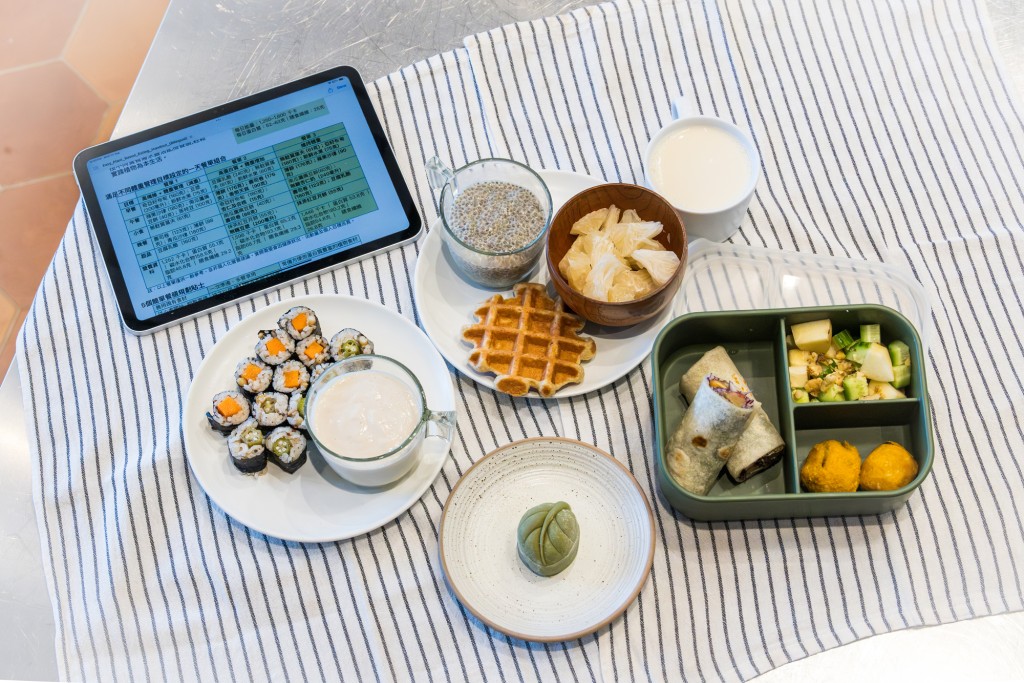
The program was launched at the KFBG Food Hub at HKU Kadoorie Centre with a workshop titled “Nourishing Summer Mealbox for Busy Working Adults,” which focused on simple ways to prepare plant-forward meals despite long working hours and packed schedules.
Dietitian June Lei said a flexible approach could make dietary changes easier to sustain.
“As an Accredited Practicing Dietitian, I encourage starting with a flexitarian approach, where the key lies in the quality of ingredients and thoughtful pairing,” she said. “I hope everyone can understand the principles before putting them into practice, allowing this healthy lifestyle to be sustainable in the long run.”
Local artist Ngo Ka Nin also encouraged people to begin gradually.
“A plant-based diet is more than just a way of eating. It's a lifestyle rooted in kindness and sustainability,” he said. “Start with just one meal and gradually add more plant-based foods to your diet.”
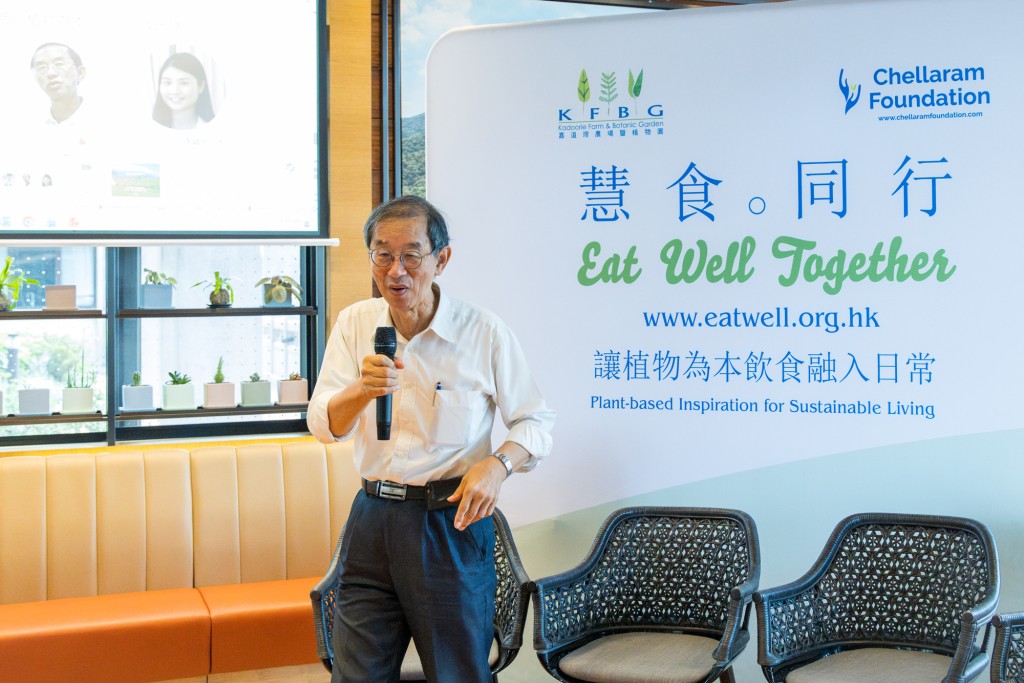
Former Hong Kong Observatory director Lam Chiu-ying highlighted the link between food choices and climate change, noting that livestock farming, particularly cattle and sheep farming, produces substantial greenhouse gas emissions.
“Eating more plant-based foods and less meat, especially beef and lamb, is one practical way individuals can help break this vicious cycle,” he said.
Idy Wong, head of sustainable living at KFBG, said lasting change often grows from small habits adopted over time.
“Often the most powerful changes begin quietly — through small habits practiced by individuals and gradually embraced by families and communities,” she said.
Ahead of World Vegetarian Day on October 1 and World Food Day on October 16, Eat Well Together will also launch a seven-day Plant-Forward Challenge, encouraging participants to add more plant-based meals to their daily routines.
The message behind the initiative is deliberately simple: healthier and more sustainable eating does not have to happen overnight. It can begin with the next meal.