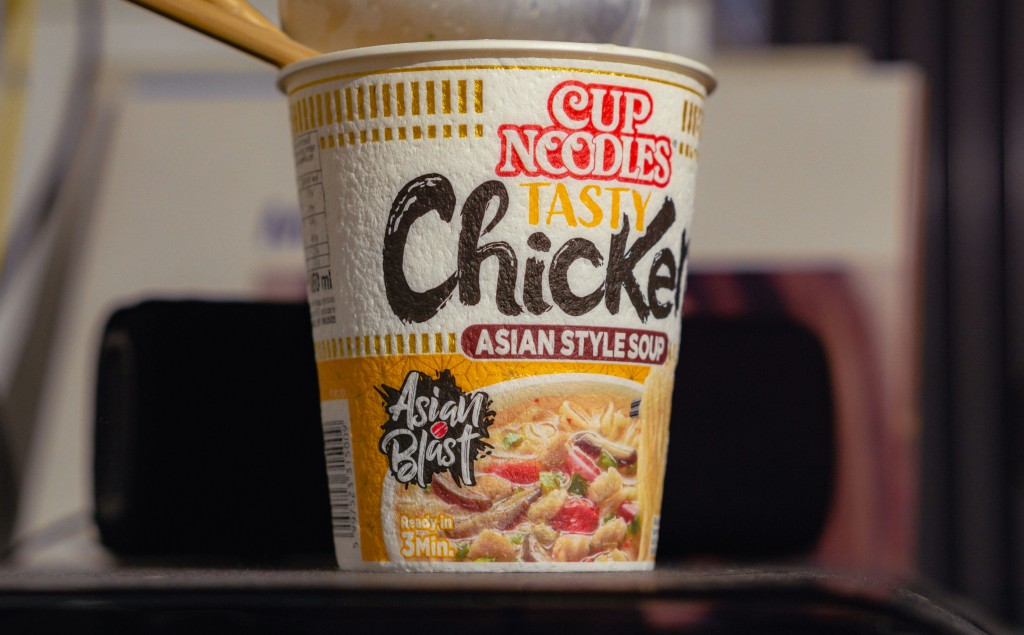
What do you usually do with leftover soup or cup noodle broth? Many people pour it down the toilet for convenience—but this can lead to serious regrets. When grease cools, it solidifies and gradually builds up, causing slow drainage, burst pipes, sewage backflow, or even building-wide repairs. Housekeeping experts and Japanese specialists share simple, proper ways to dispose of leftover soup.
Why Pouring Soup Down the Toilet Is Risky
Japan's Fuji Water Supply Centre explains that cup noodle broth contains large amounts of grease and food residue. Toilets are designed only for human waste and toilet paper. Pouring soup down them can cause:
-
Blocked pipes: Grease cools and solidifies inside pipes, narrowing the passage and eventually causing complete blockage.
-
Bad odours: Residue breeds bacteria, producing foul smells.
-
Affecting neighbours: In apartment buildings, shared drain pipes can lead to sewage backflow into lower units. Repair costs can be high, and residents may be held liable.
Housekeeping expert Chen Yingru also cited Taiwan's New Taipei Environmental Protection Bureau, noting that food waste poured into toilets kills the microorganisms in septic tanks, slowing decomposition and requiring more frequent pumping. Grease solidifies on pipe walls, narrowing drainage and potentially causing cracks. Grease residue also attracts pests like cockroaches.
3 Proper Ways to Dispose of Leftover Soup
Based on advice from Japan's Fuji Water Supply Centre and housekeeping experts:
1. Absorb with Absorbent Material
Place newspaper, kitchen paper, or oil-absorbent pads in a plastic bag, pour in the soup, let it absorb, then tie the bag tightly and dispose of as burnable waste. This works well in offices, hotels, or places without a kitchen.
2. Pour Down the Sink with Hot Water
If there's only a small amount of soup, pour it into the sink—but use a strainer to catch food solids. Immediately run hot water (around 40°C) for at least 1–3 minutes to help dissolve grease and prevent residue from sticking to pipe walls.
3. Use a Solidifying Agent
Commercial "oil treatment solidifiers" are available. Stir the powder into hot soup; when it cools, it solidifies into a solid block that can be scooped out with a spoon and disposed of in a plastic bag.
3 DIY Methods for a Blocked Toilet
If you've already poured soup down the toilet and it's blocked, Fuji Water Supply Centre suggests trying these methods for minor blockages:
1. Baking Soda + Citric Acid
Lower the toilet water level. Add about 150g of baking soda, then about 100g of citric acid. The foaming reaction spreads through the pipe, helping break down grease and grime. Leave for 30 minutes to 1 hour, then flush with warm water. This is particularly effective for blockages caused by grease and soap scum.
2. Warm Water to Melt Grease
Pour 40–50°C warm water into the toilet bowl and leave for about 30 minutes to melt solidified grease. Never use boiling water—it can damage the toilet and pipes or cause burns. Running hot water down the sink can also help.
3. Plunger
Fill the toilet tank with water. Press the plunger's rubber cup firmly over the drain opening, then press down slowly and pull up rapidly to create pressure differences that dislodge the blockage. If this doesn't work after a few attempts, try another method.
Next time you finish a cup noodle or have leftover soup, don't pour it down the toilet for convenience. Use proper disposal methods to protect your home and your neighbours. If the blockage is severe, contact a professional drain cleaner—don't force it yourself and risk damaging the pipes.
Sources: Fuji Water Supply Centre (Japan), Health 2.0 (Taiwan)