Read More





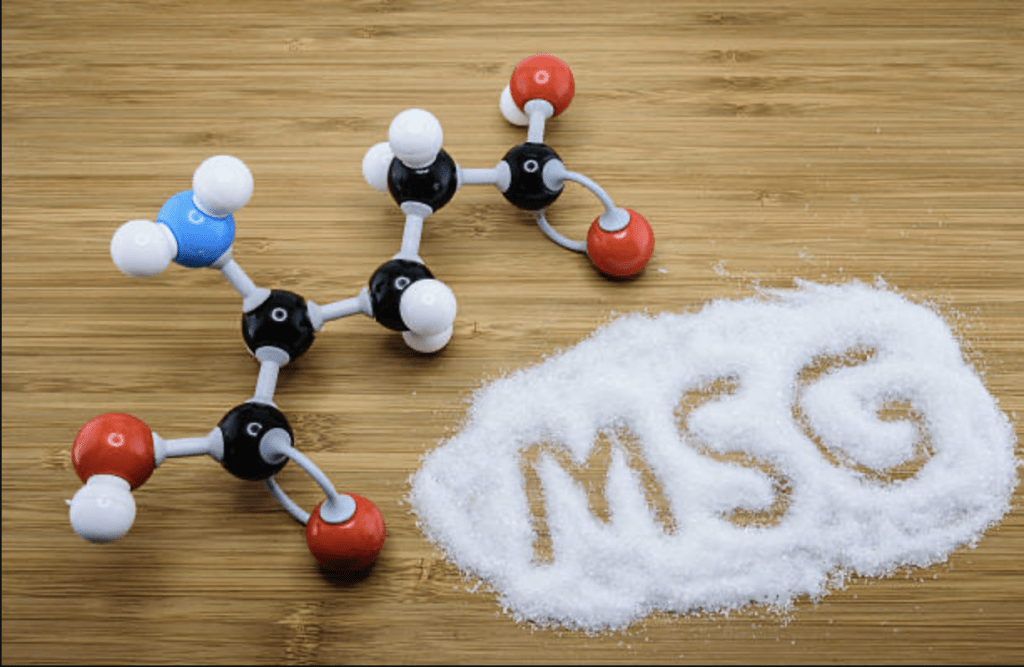
Since the 1960s, MSG has been labelled "unhealthy," causing many to avoid it. But this stigma stems from a prank complaint. Decades of research have confirmed that MSG is safe at normal levels—and because it contains only one-third the sodium of table salt, it may actually help reduce sodium intake, benefiting people with high blood pressure and kidney disease.
Paediatrician Dr. Cang Lan-ge explained on his personal channel that MSG (monosodium glutamate) was first isolated in 1908 by Japanese scientist Kikunae Ikeda from kombu (kelp) broth. It is a natural umami compound found in foods like tomatoes, cheese, and mushrooms—not a synthetic poison.
In 1968, a US doctor named Roberts wrote to the New England Journal of Medicine, claiming he experienced headaches, facial flushing, and palpitations after eating at Chinese restaurants, suspecting MSG was the cause. This letter sparked the term "Chinese Restaurant Syndrome," and MSG became permanently associated with "unhealthy." However, later investigations revealed the complaint was a hoax—the author's details were falsified, and his affiliated institution was fictional. Yet this prank saddled MSG with a half-century of undeserved blame.
In 1995, the US Food and Drug Administration (FDA) clearly stated that MSG is safe for human consumption at normal levels, with no evidence linking it to chronic disease. Taiwan's Food and Drug Administration also recommends an acceptable daily intake of up to 0.6g per kg of body weight—meaning a 50kg adult can safely consume up to 30g daily, far exceeding typical cooking amounts.
Renal dietitian Lin An noted that MSG contains only one-third the sodium of table salt. Used in moderation, it enhances salty taste while allowing less salt to be used—especially beneficial for chronic kidney disease patients who need to limit sodium intake. Studies show that replacing some salt with MSG can reduce sodium intake, helping lower the risk of hypertension, stroke, and cardiovascular disease.
Sources: Paediatrician Dr. Cang Lan Ge, Dietitian Lin An