
Read More
ADVERTISEMENT
SCROLL TO CONTINUE WITH CONTENT
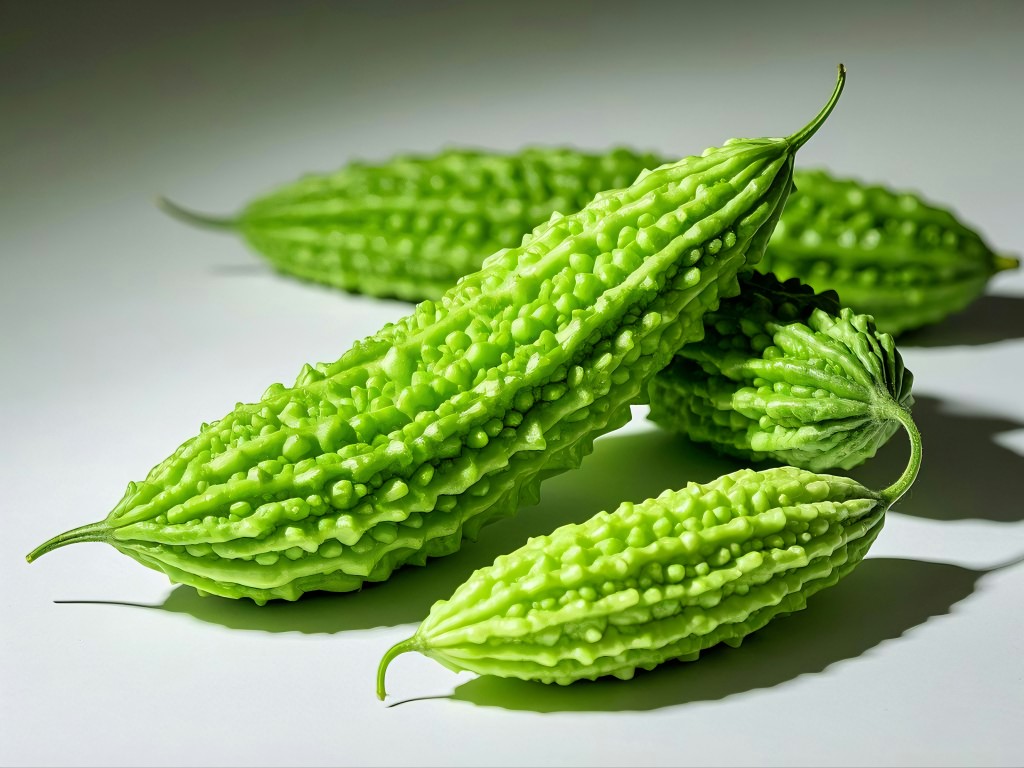
Despite its nutritional value, bitter melon's intense bitterness puts many people off. Is eating it raw the best way to preserve vitamin C? A nutritionist debunks the myths and shares 2 optimal cooking methods to retain vitamin C while reducing bitterness.
Nutritionist Lao Gu posted on Facebook that bitter melon is low in calories and rich in vitamin C, polyphenols, carotenoids, and various phytochemicals. So, is raw better, or is "the more bitter, the healthier"? He says raw bitter melon is not the healthiest choice—moderate cooking is actually more beneficial. He recommends these 2 cooking methods:
2 Best Ways to Cook Bitter Melon
-
To retain more of the heat-sensitive vitamin C, blanch quickly or stir-fry briefly with minimal oil. Avoid prolonged boiling to prevent nutrient loss.
-
While heating reduces some vitamin C, it also helps release more polyphenols and phytochemicals, making them easier for the body to absorb. Heat also effectively reduces bitterness, making it more palatable.
Bitter Melon and GLP-1: What's the Connection?
Lao Gu notes that some bitter triterpenoids in bitter melon can stimulate intestinal cells to secrete GLP-1. However, current evidence is mostly from cell and animal studies. Although human trials show positive effects, bitter melon is not a substitute for real GLP-1 medications. Patients on blood sugar-lowering medication should never stop their prescribed drugs just because they eat bitter melon.
Vegetable Nutrition: Helps Prevent Hypertension and Diabetes
According to the Hong Kong Department of Health, different vegetables provide vitamins, minerals, and antioxidants (like vitamins A and C, folate, magnesium, potassium) that strengthen the immune system and reduce the risk of chronic diseases like diabetes, hypertension, and cardiovascular disease. Some also provide dietary fibre to support gut health and prevent constipation.
How to Measure One Serving of Vegetables
According to the Department of Health, one serving is approximately:
-
1 bowl of uncooked leafy greens (e.g., lettuce, red cabbage)
-
½ bowl of cooked vegetables, including leafy greens, sprouts, gourds, legumes, or mushrooms (e.g., choy sum, kale, spinach, bok choy, bean sprouts, eggplant, carrots, snap peas, enoki mushrooms)
-
¾ cup (180ml) of pure vegetable juice with no added sugar or salt (e.g., fresh tomato juice with pulp)
Note: Pure vegetable juice has less dietary fibre and fewer nutrients than fresh, seasonal vegetables. Therefore, more than ¾ cup (180ml) per day still counts as only one vegetable serving.
Sources: Nutritionist Lao Gu, Department of Health (Hong Kong)