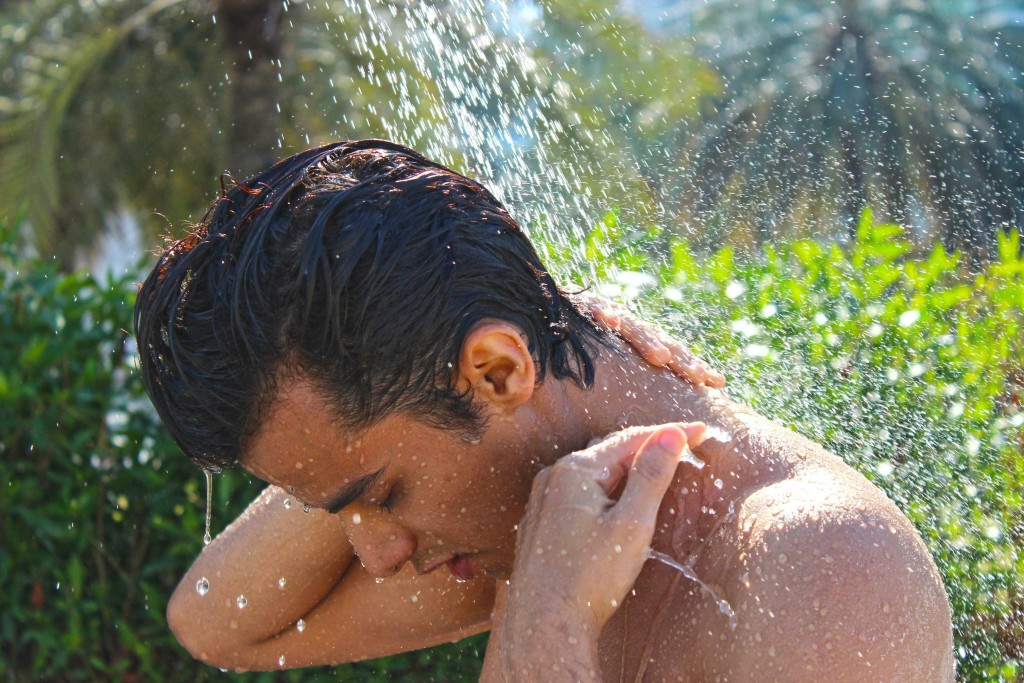
The common belief that cold showers strengthen the body—is it true? Taiwanese family physician Dr. Chen Xin-mei shared that a senior medical colleague once praised his 30-year cold shower habit. International research now confirms that adding one simple "small move" to your daily shower can significantly reduce sick leave by 29%. However, she advises starting this adaptation training in summer and warns one group of people not to try it blindly.
Study: 30-Second Cold Finish Reduces Sick Leave by 29%
Chen cites a large Dutch study involving 3,018 participants. They maintained their normal hot shower routine but added a 30- to 90-second cold water blast at the end, for 30 consecutive days. The cold shower group saw a 29% reduction in sick leave. Interestingly, the total number of sick days between both groups was similar. Chen interprets this as: brief cold exposure boosts vitality and tolerance, helping you "push through" minor colds and stay functional.
Low-Dose Stress Stimulus – Like Exercise, It Triggers Repair
Chen references another analysis of 11 clinical trials (3,177 participants) which found that during cold exposure, immune markers didn't spike immediately, and inflammatory markers even rose temporarily. She explains this mild inflammation is a "low-dose healthy stress," similar to exercise—where muscle micro-tears and soreness lead to stronger tissue after repair. Regular short cold exposure builds resilience and adaptability.
4 Tips for Cold Showers – Avoid If You Have Cardiovascular Conditions
If you'd like to try cold showers for health benefits, Chen recommends a gradual approach:
-
Stick to your normal warm shower, then end with 30 seconds of cold water. The Dutch study found no significant difference between 30- and 90-second cold finishes.
-
Stop if you feel extreme discomfort or shivering—don't force it.
-
Summer is the best season to start, as the temperature difference is milder.
-
Avoid trying this in winter, when sudden temperature changes can cause blood vessels to constrict sharply. People with high blood pressure, heart disease, or other chronic cardiovascular conditions should never attempt cold exposure.
Source: Taiwanese Family Physician Dr. Chen Xinmei