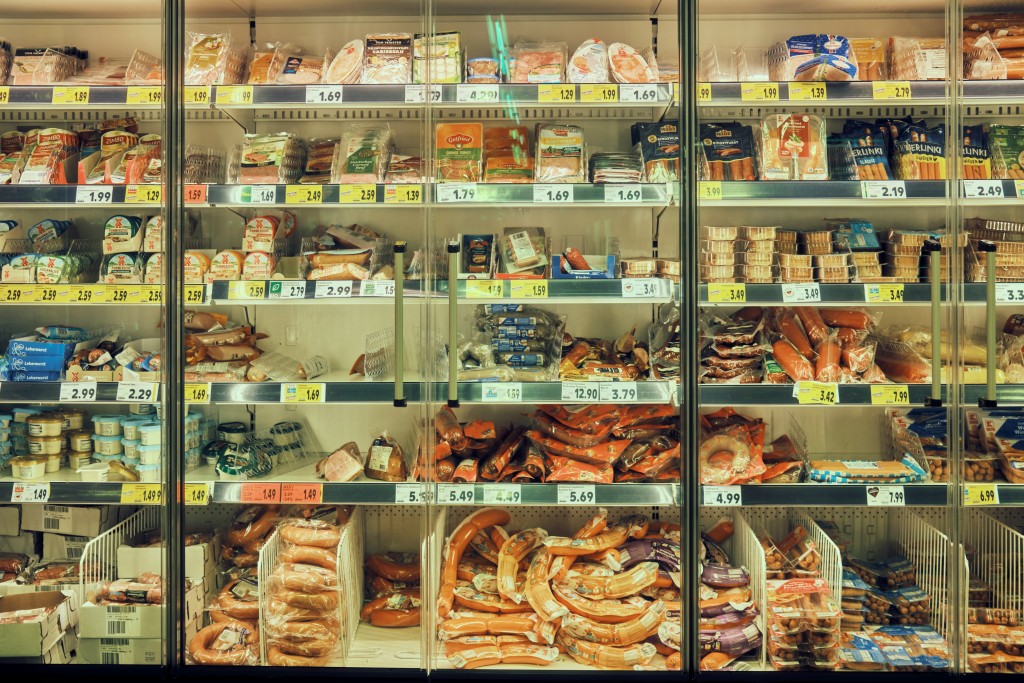
Walking into a supermarket or convenience store, canned tomatoes, kimchi, and frozen edamame sit alongside ice cream, crisps, and instant noodles—all labelled as "processed foods." But their effects on health are worlds apart. Taiwanese family physician Dr. Lee Si-hsien says the first step to protecting your heart and preventing disease is learning to identify three key features on ingredient lists to spot the "ultra-processed food trap."
The NOVA Classification: Ultra-Processed vs. Processed Foods
Lee explains that "ultra-processed foods" aren't just highly processed. The term comes from the NOVA classification system, developed by researchers at the University of São Paulo in 2009, which divides foods into four groups by degree of processing:
-
Group 1 (Unprocessed or Minimally Processed): Fresh fruits and vegetables, fresh meat, fish, eggs, legumes, nuts, and whole grains. Foods are kept in their natural state, with only simple treatments like peeling, cutting, freezing, or fermentation.
-
Group 2 (Processed Culinary Ingredients): Vegetable oils, butter, salt, sugar, flour, and vinegar. These are extracted from Group 1 foods and used for cooking and seasoning.
-
Group 3 (Processed Foods): Canned fish, pickled vegetables, natural cheese, smoked meats, and homemade bread. Made by combining Group 1 and Group 2 ingredients—ingredients you can recognise. They aim to extend shelf life or enhance flavour, but are still real food.
-
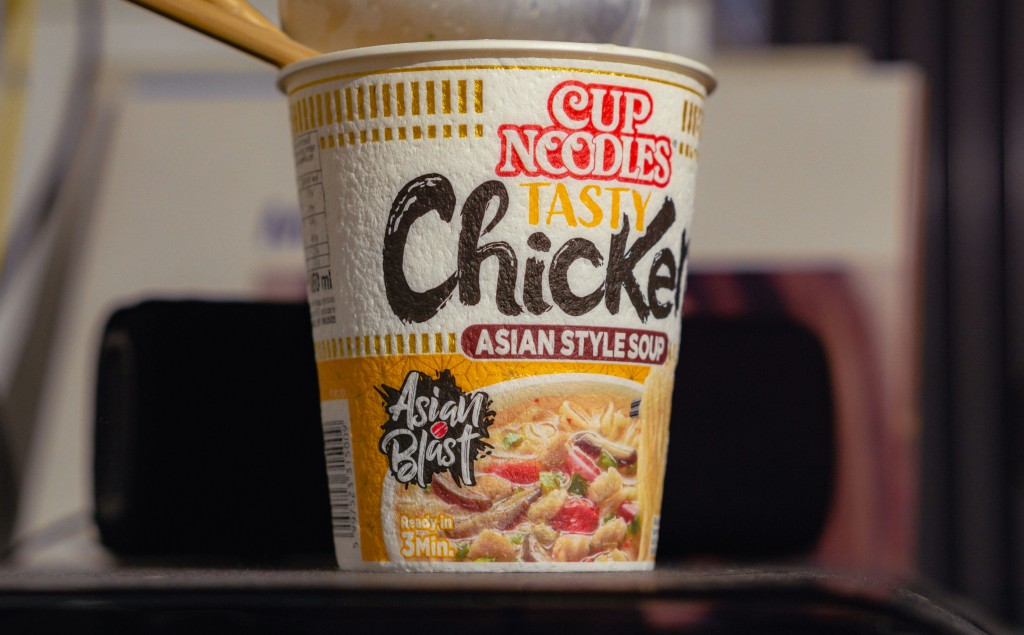
Group 4 (Ultra-Processed Foods): Industrial formulations with ingredients rarely found in home kitchens: emulsifiers, artificial flavours, colours, thickeners, high-fructose corn syrup, hydrogenated oils, etc. Examples include packaged snacks, instant noodles, chicken nuggets, sausages, luncheon meat, flavoured yoghurts, energy drinks, most breakfast cereals, and soft drinks.
4 Health Risks: Brain Override and Chronic Inflammation
Lee notes that ultra-processed foods are deliberately designed to stimulate appetite and make you "unable to stop." Their harm is backed by large-scale medical studies. A 2024 umbrella review (covering nearly 9.9 million people) in the BMJ found that those with the highest ultra-processed food intake had:
-
21% higher all-cause mortality risk
-
50% higher cardiovascular disease death risk
-
55% higher obesity risk
-
48% higher anxiety risk
-
22% higher depression risk
Mechanisms include:
-
Blood sugar spikes: Refined sugars and fats are absorbed almost instantly, causing sharper glucose and insulin spikes than whole foods with the same calories.
-
Gut barrier damage: Emulsifiers thin the gut mucus layer, allowing bacteria to contact the intestinal wall and trigger chronic inflammation. Artificial sweeteners also disrupt the microbiome.
-
Blocked satiety signals: Refined designs suppress fullness, leading to unconscious overeating. Studies show an average daily excess of over 500 calories can add nearly 2 pounds in two weeks.
3 Label Signs to Differentiate Group 3 from Group 4
Lee advises checking nutrition labels and ingredient lists for these three signs:
-
Industrial additives not found in home kitchens: Ingredients like modified starch, high-fructose corn syrup, maltodextrin, hydrolysed vegetable protein, polysorbates, carboxymethyl cellulose, hydrogenated vegetable oil, or any "artificial" chemicals—these indicate ultra-processed food.
-
Long, unfamiliar ingredient lists: The longer the list and the more unrecognisable chemical names, the more industrial processing. A short list of 3–5 familiar ingredients usually means Group 3 processed food.
-
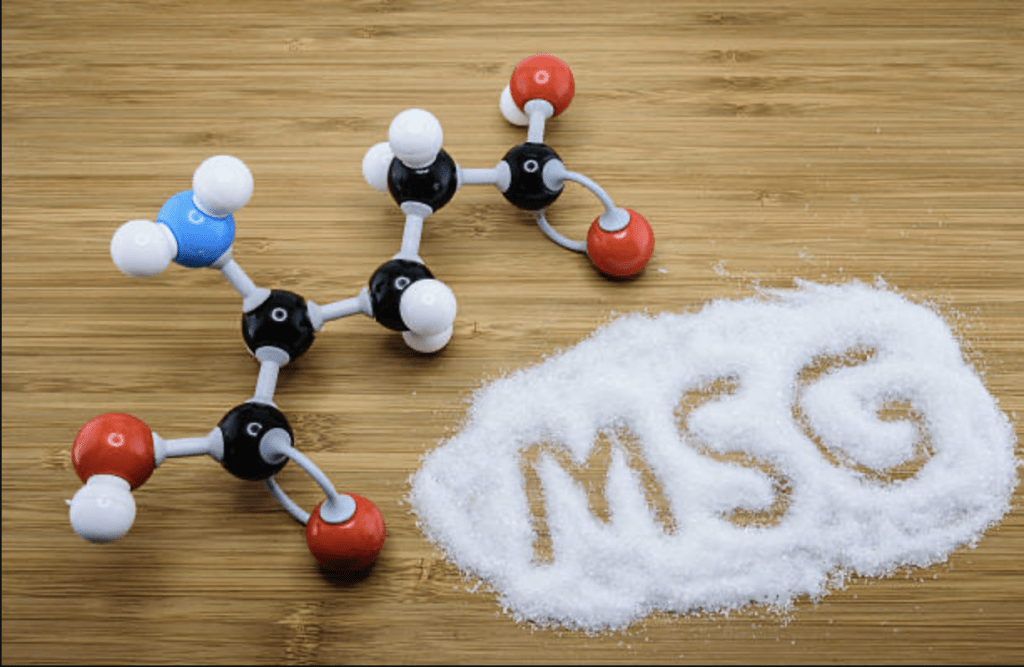
Cheap ingredients mimicking real flavour: If the list relies on artificial flavours, refined oils, colourings, and MSG to replace natural taste and texture, the food's essence has been replaced by industrial processing.
Source: Taiwanese Family Physician Dr. Lee Si-hsien