
Read More
ADVERTISEMENT
SCROLL TO CONTINUE WITH CONTENT
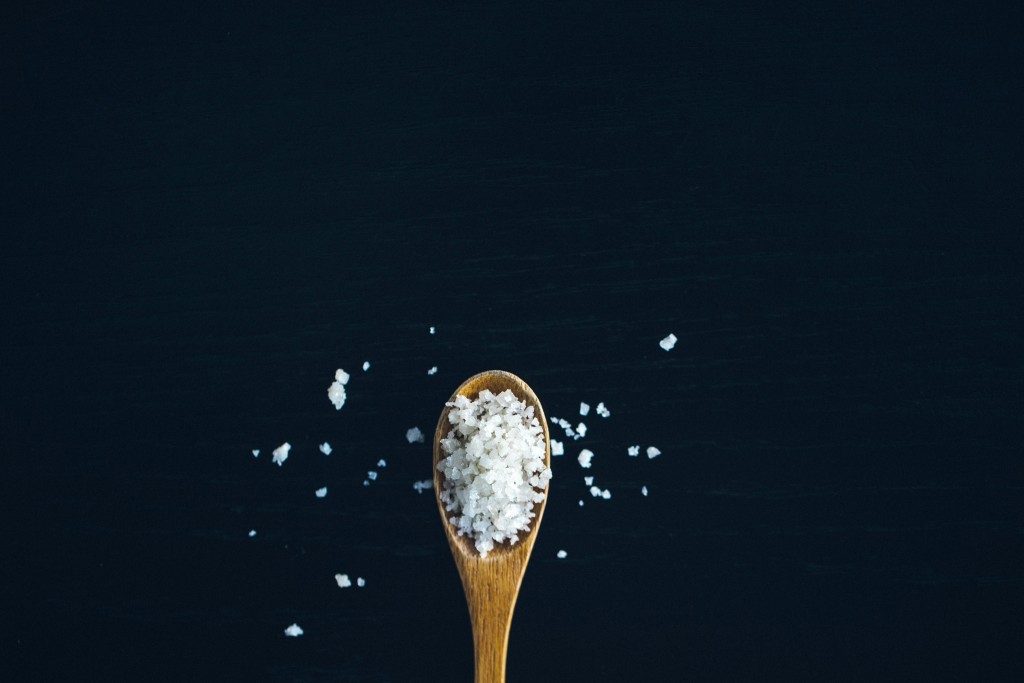
Eczema is hard to manage, and apart from topical creams, your daily diet may be worth examining. Many patients assume their eczema is caused by humidity or constitution, but new international research suggests a surprising link: eczema severity may be closely tied to daily sodium intake. In fact, every extra gram of salt per day may increase eczema risk by 11%. To tackle eczema through diet, limiting sodium is crucial, and four types of foods should be avoided as they can trigger or worsen skin inflammation.
A June 2024 study published in JAMA Dermatology, led by a team from the University of California, San Francisco (UCSF) School of Medicine, analysed medical records and urine samples from about 210,000 participants in the UK Biobank. They found that higher sodium levels in urine were linked to more severe eczema symptoms. On average, each extra gram of salt consumed daily increased eczema risk by 11%. The team also studied over 10,000 participants from the US National Health and Nutrition Examination Survey (NHANES), confirming that each additional gram of sodium per day raised eczema flare-up rates by 22%. Earlier research in Science Translational Medicine also found that sodium levels in the skin of atopic dermatitis patients were 30 times higher than in healthy individuals, suggesting that sodium deposited in the skin triggers immune-inflammatory responses.
Don't Cut Salt Completely – Reducing Sodium Should Be Gradual
If sodium is linked to skin inflammation, should eczema patients avoid salt entirely? Experts say absolutely not. There is no established "zero-salt" diet standard for skin patients. Cutting sodium too drastically can disrupt cellular osmotic balance, nerve signalling, and muscle function. The key is to reduce unnecessary hidden sodium:
-
Cut back on processed foods: Luncheon meat, bacon, sausages, ham, and other processed meats; even cakes, biscuits, bread, and packaged snacks that don't taste salty often contain high sodium.
-
Reduce sauces: Ketchup, sweet chilli sauce, salad dressing, and mayonnaise are very high in sodium. Restaurant meals are already seasoned—avoid extra sauces or use them sparingly (e.g., dip with chopsticks).
-
Limit soup intake: Restaurant soups (e.g., broth, noodle soup bases) often contain excessive salt, MSG, or concentrated stock powder—sodium levels can be alarmingly high. Control the frequency and portion of soup you consume.
4 Types of Foods to Avoid During Eczema Flare-Ups
In addition to sodium control, eczema patients should avoid foods that trigger allergies or worsen internal heat and dampness. Here are 4 categories to watch:
-
Common food allergens: Eggs, milk, deep-sea fish, shrimp, crab, lamb, duck, goose, and foods with artificial additives. Allergens can easily trigger immune overreactions and flare-ups.
-
Spicy, warm, and "heaty" foods: Sesame oil chicken, Chinese tonic soups, ginseng, pepper, ginger, scallions, garlic, onions, and strong tea, coffee, and alcohol. These warm, drying foods accelerate circulation and inflammation, worsening itching.
-
Cold, sweet, and greasy foods: Chocolate, cheese, kimchi, steak, sausages, peanuts, etc. Cold drinks and sweets can impair the spleen's fluid metabolism, while high-sugar, high-fat foods promote inflammatory factors.
-
Individual allergies: Everyone's body reacts differently. If you notice worsening redness after eating a particular food, keep a record and consult a dermatologist or Chinese medicine practitioner.
Source: JAMA Dermatology (2024)