Read More



Seven arrested over Kwai Chung illegal gathering
14-09-2026 12:33 HKT


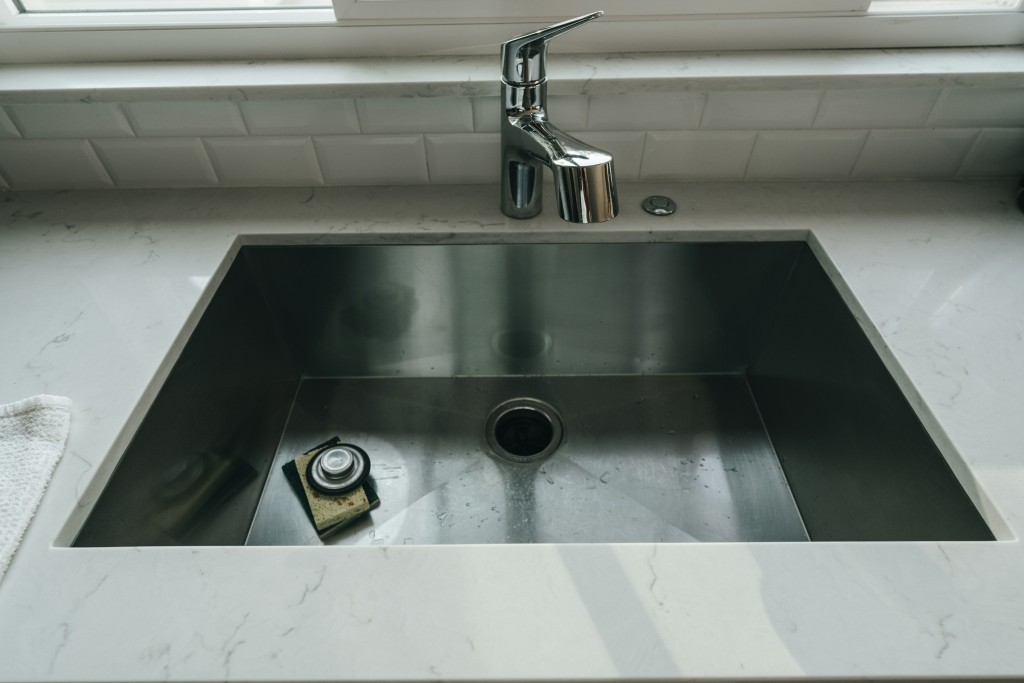
Is your kitchen sink drain emitting a foul odor? Over time, food scraps, grease, and bacteria accumulate in the drain. If not cleaned promptly, it not only produces bad smells but can also cause clogs and even attract pests. Experts recommend a weekly cleaning routine and the right methods to easily maintain kitchen hygiene – a must-know for all "beginner adults".
Cleaning experts point out that kitchen sink drains should be cleaned weekly to prevent the buildup of grease, soap scum, food residue, and minerals. If neglected, these substances harden, corrode pipes, and shorten their lifespan. Look out for these warning signs:
Additionally, visible sludge, grease film, or mold around the drain are clear signs of internal buildup. Regular cleaning not only eliminates odors but also prevents clogs and extends the life of your pipes.
Experts warn against pouring bleach or commercial chemical drain cleaners down the sink. These substances can corrode pipes and soft rubber parts, and mixing them can produce dangerous gases. Similarly, avoid pouring grease, cooking oil, or coffee grounds down the drain, as they can harden and cause severe clogs. The correct practice is to absorb cooking oil with paper towels and dispose of them in the trash, and put food scraps in the garbage bin.
To keep your sink fresh, develop these habits:
Experts recommend baking soda (sodium bicarbonate) and white vinegar for regular cleaning. The chemical reaction between them naturally breaks down soap scum without harsh chemicals. Here's how:
Besides cleaning, prevention is equally important. Taipei's Public Works Department Sewerage Office proposed a 4-word guideline ("Intercept, Filter, Avoid, Separate") applicable to kitchen and bathroom drains:
Sources: Martha Stewart, Taipei Public Works Department (PWD)