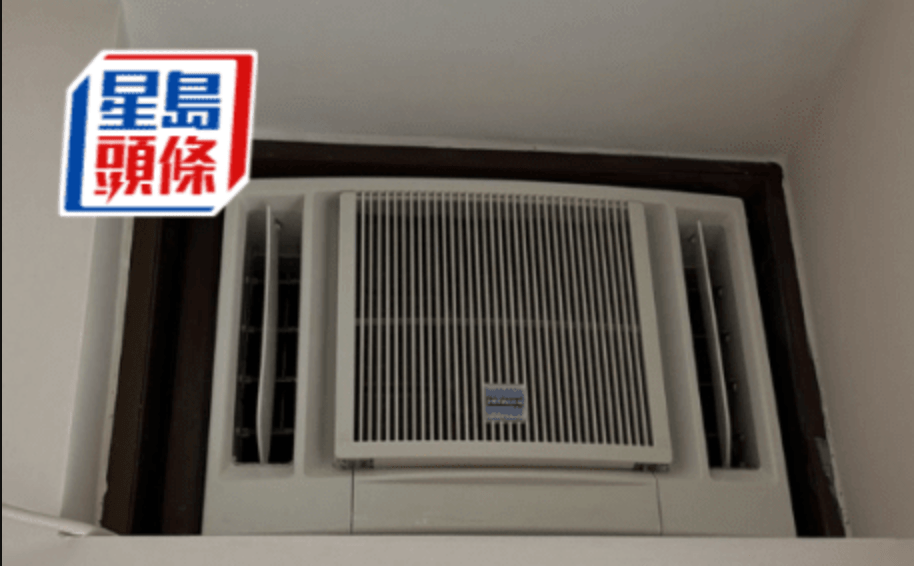
In recent years, summer temperatures have been getting hotter. Air conditioners have become essential for many households—but if you run them for long hours, electricity bills can quickly rise. So how can you stay cool and save power?
Recently, some Hong Kong residents shared their experience after replacing a non-inverter (fixed-speed) air conditioner with an inverter model. In their comparison, electricity usage and cost were reduced by almost half. They also mentioned a second major benefit: they no longer feel “so cold they need extra layers” because the temperature remains more stable.
A Real-Life Test: Inverter AC Can Cut Electricity by Nearly Half
One user reported testing both types over 5 hours:
- Inverter air conditioner: about 4.5 kWh
- Non-inverter air conditioner: about 9.5 kWh
That’s close to a 50% reduction in energy use. They also noted that the inverter air conditioner maintains a steadier temperature and doesn’t swing between “too cold” and “not cold enough.”
What Many Netizens Say
Many commenters agreed that inverter air conditioners are indeed more cost-effective. Some examples included:
- Running an inverter unit for around 20 hours a day and seeing electricity bills remain comparatively lower.
- Using inverter AC for long periods (even overnight) and reporting that it costs less than older units that were only turned on during sleep.
- People feeling that once they installed inverter AC, it kept them comfortable and reduced bills—especially when compared with machines that frequently start and stop.
Inverter vs. Non-Inverter: What’s the Difference?
Non-Inverter (Fixed-Speed) Air Conditioner
- The compressor runs at a fixed speed.
- If the room isn’t at the set temperature, it cools at full power.
- Once the room reaches the target, the compressor shuts off completely.
- It restarts only after the room warms up again by about 1.5°C–2°C.
Because it repeatedly cycles on and off, each restart involves a higher startup power draw—so it typically consumes more electricity.
Non-inverter models are usually cheaper and may fit spaces like:
- living rooms or kitchens
- areas where AC is used only briefly (e.g., about 2 hours per day)
Inverter Air Conditioner
- The system controls compressor speed based on how the room temperature changes.
- When you start the AC, the compressor runs at a higher frequency to cool down faster.
- As the room approaches the set temperature, it doesn’t shut off completely.
- Instead, it shifts to low-frequency operation, using less energy while maintaining comfort.
As a result, inverter air conditioners:
- use less power for longer usage
- keep indoor temperatures more stable, which many people find more comfortable
Inverter models are usually more expensive up front, so they may be better suited for:
- bedrooms (sleep comfort)
- offices where people stay for long hours
- homes with elderly members or infants/young children (more consistent temperatures)
How to Choose: 3 Practical Considerations
Here are three common decision points to help you choose:
- Cost (Budget)
- Inverter AC: higher purchase cost, generally better energy savings
- Non-inverter AC: cheaper to buy, might be suitable for short usage
- Your Usage Habits
- If you plan to use AC for long hours, inverter is usually the better choice.
- If you use AC only occasionally—e.g., under ~4 hours per day—a non-inverter unit may not cost dramatically more.
- How Much Temperature Control You Need
- Large spaces or settings with lots of changes in occupancy (like offices) benefit more from inverter control, since it can adjust to maintain temperature efficiently.