Read More



Seven arrested over Kwai Chung illegal gathering
14-09-2026 12:33 HKT


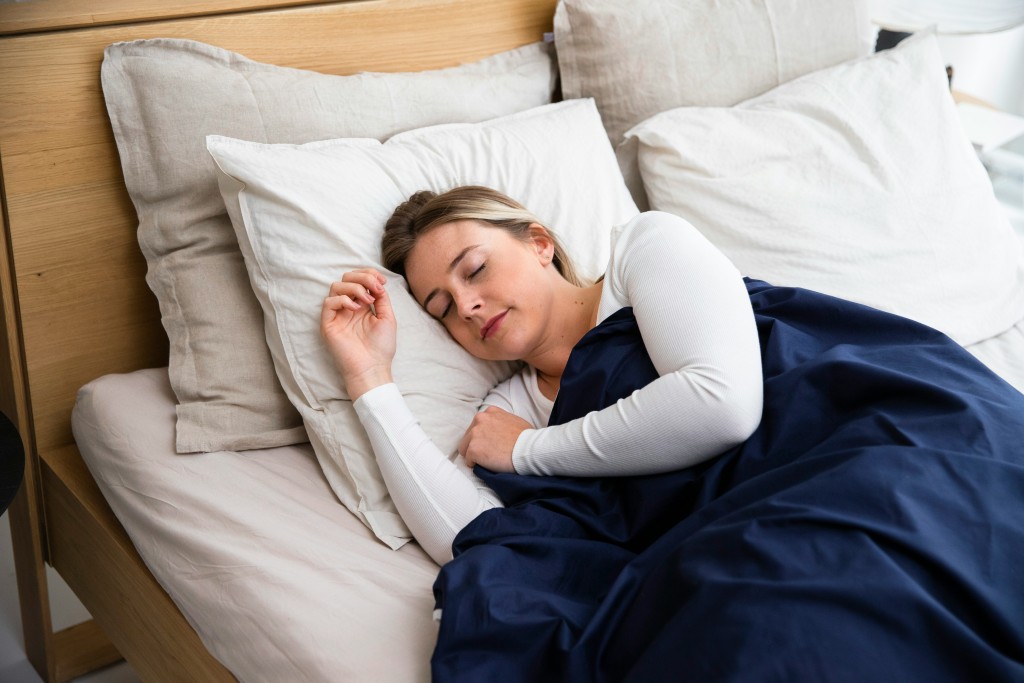
Life in Hong Kong is fast-paced and stressful, making "not getting enough sleep" a common reality for most office workers and students. Many people suffer from insomnia, tossing and turning in bed each night. Gastroenterologist Dr. Siu Wai-shing points out that sometimes poor sleep quality isn't about needing sleeping pills, but about a specific nutrient your body is missing after dinner. A moderate supplement of natural sleep-promoting foods after your evening meal can effectively help your brain "shut down" peacefully.
Siu explains that from lying down to entering deep sleep, the body undergoes a series of complex chemical reactions. The brain needs tryptophan from food to produce serotonin, which is then converted into melatonin, the hormone that regulates sleep.
If raw materials are insufficient, if stress is high, or if blood sugar is unstable, the brain cannot properly activate sleep signals. Clinically, this leads to four common sleep disorders: difficulty falling asleep, waking up easily at night, light sleep, and vivid dreams. Besides medication, people can supplement melatonin through everyday foods. Siu suggests the best time to eat these is after dinner, about 1-2 hours after dark. Consuming a small amount of sleep-promoting food at this time offers the best auxiliary effect. However, if insomnia is caused by severe anxiety, professional psychiatric or medical help should be sought.
To supplement the brain's sleep materials, Siu recommends the following 5 foods, emphasizing precise portion control:
While specific nutrients aid sleep, Siu warns against eating too much before bed. A heavy meal forces the stomach to work during sleep, severely impacting deep sleep quality and potentially causing heartburn from bloating and acid reflux.
For nighttime eating, he gives these four core tips:
Source: Dr. Siu Wai-shing