Read More



Seven arrested over Kwai Chung illegal gathering
14-09-2026 12:33 HKT


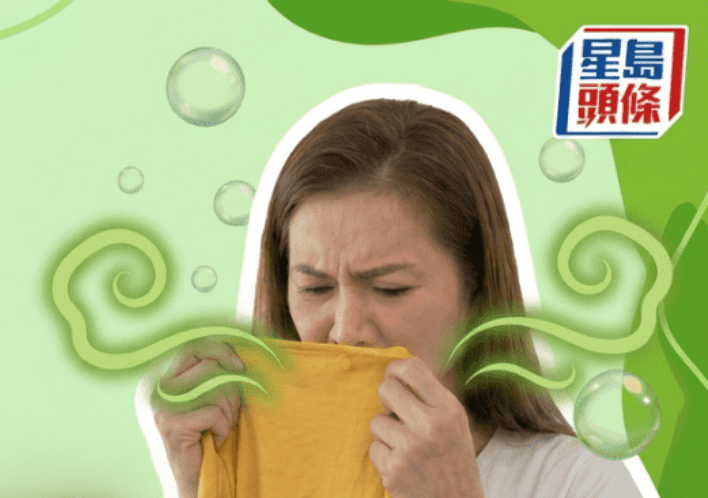
On hot summer days, a little activity leaves you drenched in sweat. Have you noticed that some sports shirts develop a particularly strong, unpleasant odor, even lingering with a "sour" smell after washing? A University of Alberta study solved this mystery: the real culprit behind sweat odor is the fabric itself – polyester. What fabric is best for hot weather? Understanding the science can help you effortlessly avoid embarrassing body odor.
A research team led by Dr. Rachel McQueen from the University of Alberta's Department of Textiles and Clothing soaked different fibers in simulated sweat to analyze their ability to absorb and release odorous compounds. They found that plant-based cellulose fibers like cotton and viscose absorbed and released fewer odorous compounds, while polyester, nylon, and wool released more unpleasant smells.
McQueen explains: "Polyester is 'hydrophobic' (water-fearing) but 'lipophilic' (oil-loving). Fatty acids and volatile organic compounds from sweat become trapped inside the fiber. Regular washing can't completely remove them. As the garment is repeatedly worn and washed, residual odorous oils accumulate and are released again when the fabric contacts skin, producing a sour smell."
The study found that while nylon and wool initially absorb many odorous compounds, they release them much faster than polyester. After 24 hours, the odor emission levels from nylon and wool had significantly dropped, approaching those of plant-based cellulose fibers. Therefore, McQueen advises: "Polyester garments must be washed to remove odors. However, nylon and wool garments don't necessarily need immediate washing; hanging them in a well-ventilated area allows the odors to dissipate."
Thus, on active or hot days, prioritize cotton, viscose, or their blended fabrics to reduce odor retention. For daily commutes, choose nylon or wool, which can be aired out after returning home without frequent washing.
McQueen points out that when buying sportswear or daily clothing, if you're concerned about sweat odor, you should avoid polyester as much as possible. Even if a product claims to be "antibacterial," due to the chemical interaction between the fiber and odor compounds, the antibacterial function may not effectively neutralize the smell. If you can't avoid it, wash thoroughly with appropriate detergent immediately after each wear and dry in sunlight to help break down residual oils.
She hopes these findings will push the textile industry to develop improved polyester fibers that are more absorbent and less likely to trap fatty acids, addressing the problem at its source.
Source: YNET