
Read More



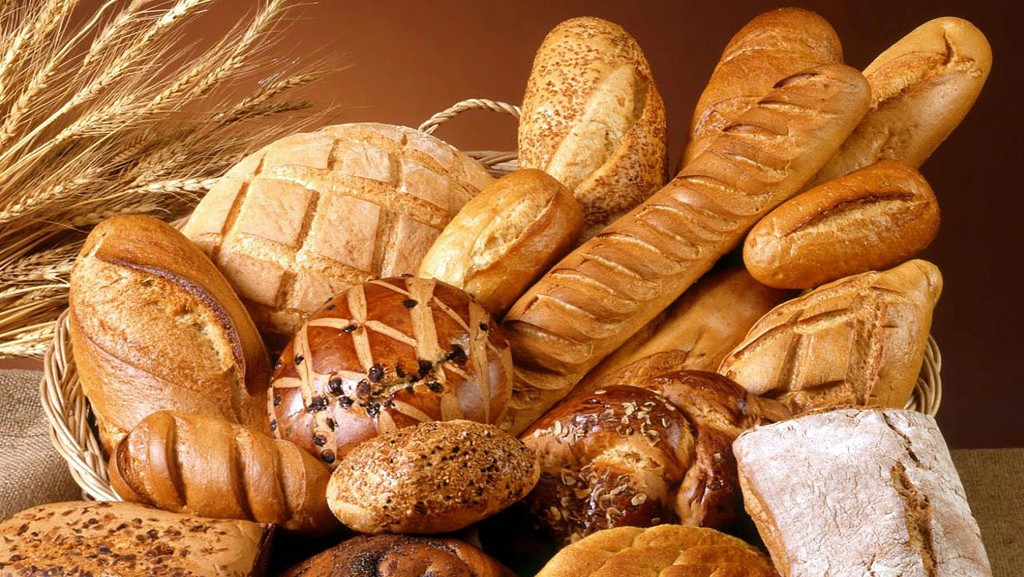
Eating bread for breakfast is quick and convenient, making it a top choice for many in Hong Kong. However, be careful not to fall into the high-fat trap! A nutritionist breaks down the fat content of 5 common breakfast breads, revealing that one type is not only high in oil but also packs up to 800 calories.
Nutritionist Yang Si-han posted on her Facebook page that bread is a popular choice for breakfast or afternoon tea. It may look small and seem less heavy than a full meal. However, from a nutritional standpoint, some breads are actually high-fat-density foods. Breads with a crispy, flaky texture or a buttery aroma often hide large amounts of butter, shortening, lard, or extremely high-fat baking techniques. For people with diabetes, those trying to lose weight, or those with high cholesterol or cardiovascular risks, choosing bread shouldn't be based solely on size. You need to consider fat density, individual weight, and whether it includes spreads or fillings. She compiled the fat characteristics of 5 common breads to help you make more informed choices:
The key to a croissant's crisp, flaky layers is its lamination process. The dough is repeatedly folded with sheets of butter, creating a layered structure of dough and butter. This butter is typically high in fat and low in moisture. Per 100g, croissants contain 25-30g of fat – one of the highest fat densities among common breads. Worse, because croissants are airy, they feel light to eat, often creating the illusion that you're not eating much. In reality, fat calories may account for over half of the total.
Russian bread has a dense, rich flavor. Besides butter in the dough, melted butter is repeatedly brushed on the surface during baking, creating a semi-fried, ultra-crispy crust and bottom. Per 100g, Russian bread contains about 20-25g of fat – slightly less than croissants. However, commercially sold Russian bread is often large, weighing 150-200g or more. Eating a whole one can lead to a total fat and calorie count even higher than a croissant, potentially reaching 600-800 kcal per piece.
The bottom of a pineapple bun is a typical sweet bread, but the real concern is the cracked, sweet, crispy topping. This topping is essentially a high-sugar, high-fat cookie dough, usually made with large amounts of butter, lard, or shortening. Per 100g, pineapple buns contain about 15-20g of fat. Besides being high in fat, they are also high in refined sugar, making them a double burden for those needing to control blood sugar or lose weight.
Despite its name, a salted butter roll is a soft Japanese-style butter roll. Butter (often salted) is wrapped inside the dough. During baking, the butter melts and flows to the bottom, creating a crispy, flavorful base. Per 100g, salted butter rolls contain about 12-16g of fat – lower than the previous three but still not a low-fat bread. The fat is concentrated in the inner layers and the crispy bottom. Frequent consumption still adds up in calories.
Compared to the previous high-fat breads, plain sourdough is a relatively light option. Its basic recipe is just flour, water, natural yeast, and salt. Per 100g, sourdough contains only about 2-5g of fat – the lowest among these breads. However, sourdough is still a starchy food. Don't overeat just because it sounds healthy. Adding large amounts of butter, cheese, jam, or choosing versions with bacon or nuts will still increase the calorie count.
Yang points out that many people instinctively think "smaller bread is safer," "savory bread is healthier than sweet," or "if it doesn't feel oily, it won't make me fat." Nutritionally, these assumptions are often wrong. Croissants, Russian bread, pineapple buns, and salted butter rolls all have skyrocketing fat and calorie content due to the large amounts of butter, lard, or repeated oil applications during production. Even the relatively low-fat sourdough requires careful attention to portion size and pairings.
Source: Nutritionist Yang Sihan