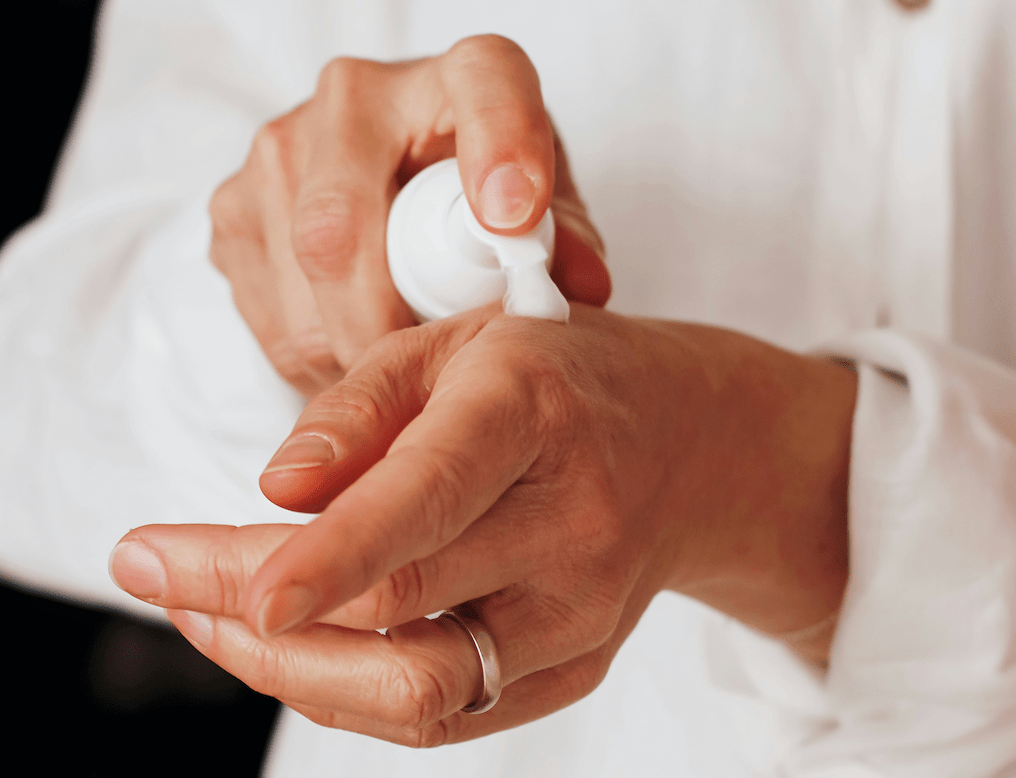
Seasonal changes often trigger skin "tantrums" for many in Hong Kong: unexplained facial redness, dryness, flaking, and even outbreaks of eczema and hives (urticaria). Many mistake this for a surface-level skin problem and spend a fortune on expensive skincare and anti-allergy creams, often with little success.
Recurring Skin Sensitivity Is a Distress Signal
Clinical medicine indicates that recurring skin sensitivity originates from the body's internal immune system signaling for help! The skin, being the body's largest external organ, often reflects internal imbalances firsthand. To truly treat sensitive skin, you must understand the principle of "internal nourishment and external care," regulating immunity through diet to rebuild a healthy skin barrier from the inside out.
Using atopic dermatitis (eczema), the most common type in Hong Kong, as an example: patients typically have overactive Th2 immune cells. These cells release large amounts of pro-inflammatory cytokines, directly damaging the integrity of the skin's stratum corneum (outer layer). A healthy immune system is like an army; when its command goes awry, it leads to an internal conflict, causing ongoing skin inflammation.
4 Core Causes of Immune Dysregulation
Dermatologists explain that when the body's immune system shows the following four problems, allergic reactions manifest on the skin:
- Compromised Barrier Function: When the immune system is imbalanced or overactive, it mistakenly attacks the body's own skin cells, triggering chronic inflammation. This leads to a significant drop in the stratum corneum's water-retaining ability, allowing external dust and allergens to penetrate more easily, creating a vicious cycle of "itching leads to scratching, scratching leads to more inflammation."
- Stress Hormones at Play: Hong Kong's fast-paced, high-pressure lifestyle causes the body to secrete large amounts of cortisol (the "stress hormone"). This substance directly suppresses the immune system, slowing down skin cell renewal and repair, making the skin fragile and dull.
- Gut Microbiome Imbalance: The medical community now recognizes the "Gut-Skin Axis" theory. The gut is the body's largest immune organ. An overgrowth of bad bacteria can lead to "leaky gut," allowing toxins to enter the bloodstream and trigger systemic immune responses, ultimately manifesting as skin rashes.
- External Environmental Triggers: Air pollution, UV rays, and drastic changes in hot/cold weather physically stress the skin. For those with weaker immune systems, these external factors can easily become the tipping point for skin inflammation.
8 Immune-Boosting, Anti-Allergy Foods
To break free from "glass skin," nutritionists suggest there's no need for expensive supplements. Simply incorporate the following 8 easily available "anti-inflammatory allies" from local supermarkets into your daily diet:
- Probiotic Foods (e.g., unsweetened yogurt, kimchi, kombucha): Directly replenish good gut bacteria, inhibit bad bacteria, and fundamentally improve skin sensitivity caused by "leaky gut."
- Deep-Sea Fish (e.g., salmon, mackerel, sardines): Rich in Omega-3 fatty acids (EPA and DHA), natural potent anti-inflammatories that effectively moisturize skin and reduce redness.
- Vitamin C-Rich Fruits (e.g., kiwi, strawberries, oranges): Powerful antioxidants that combat free radical damage and are essential for collagen production, accelerating wound healing.
- Leafy Green Vegetables (e.g., spinach, kale, broccoli): Rich in Vitamin A, which maintains the integrity of mucosal and skin cells, building the skin's first line of defense.
- Nuts and Seeds (e.g., walnuts, almonds, chia seeds): Almonds are rich in Vitamin E, which protects cell membranes from oxidative damage. A small handful (about 30g) daily effectively relieves skin dryness.
- Turmeric: Its active ingredient, curcumin, possesses high antioxidant and anti-inflammatory properties, known as a "natural anti-inflammatory," suppressing chronic skin inflammation.
- Green Tea: Rich in catechins (EGCG), proven to soothe allergic skin reactions caused by UV rays and urban air pollution, stabilizing skin condition.
- Garlic: Contains allicin, with natural antibacterial and antiviral effects that directly activate immune cells, reducing skin complications from external infections.