Read More



Seven arrested over Kwai Chung illegal gathering
14-09-2026 12:33 HKT


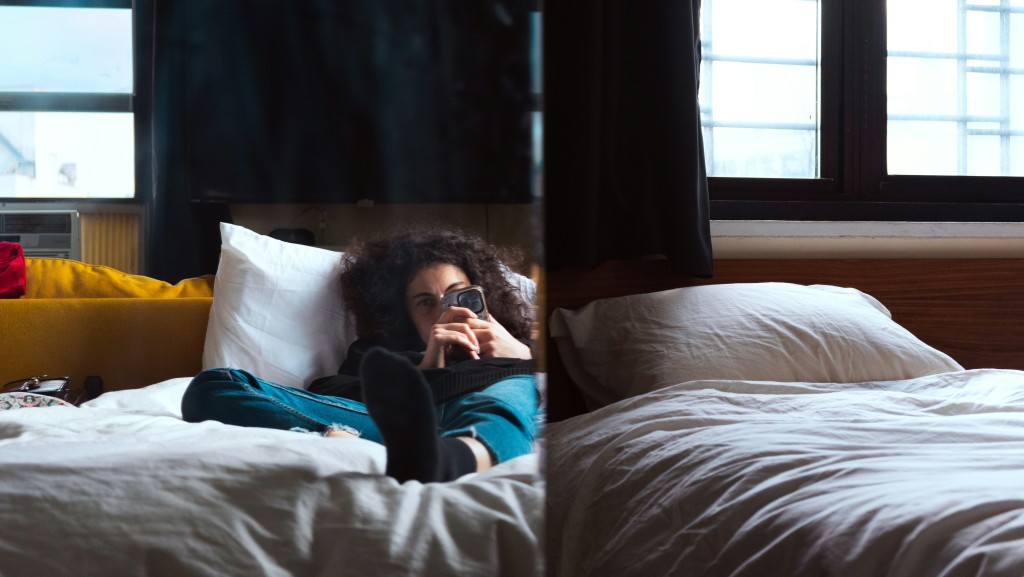
Many people have a deeply ingrained bad habit: turning off the lights and lying in bed scrolling on their phones before sleep. This seemingly relaxing nightly routine is actually quietly destroying your eyes. Taiwanese ophthalmologist Dr. Nian Jing-min recently posted on social media that the habit of "lying down while using your phone" causes the distance between your eyes and the screen to unknowingly shorten, significantly increasing the risk of cataracts. She pinpointed four destructive effects on the eye's lens from this position, urging the public not to take this lightly.
Nian explains that when we stare at a phone screen for extended periods at close range, high-energy blue light penetrates directly through the eye, triggering a massive free radical reaction inside the lens. These free radicals aggressively damage the protein structure within the eye, accelerating clouding of the lens.
Worse still, compared to sitting, lying down often brings the screen even closer to the eyes, causing blue light exposure to multiply. If you're scrolling blindly in a dark room, your pupils naturally dilate, allowing even more blue light to enter, with serious consequences.
Many overlook the physical pressure that the "lying flat" position itself places on the eyes. The doctor points out that when lying flat, gravity alters the circulation of aqueous humor in the eye, making it less efficient and causing eye pressure to be generally higher than when sitting.
If the eyes are under high pressure for prolonged periods, not only does the risk of glaucoma increase directly, but it also severely hinders the lens's nutrient supply and daily metabolic function. Without sufficient nutrients, the epithelial cells of the lens accelerate aging and damage, indirectly catalyzing cataract formation.
When looking at the phone while lying in bed, the eyes often focus at an ultra-close range of within 30 cm for extended periods. To maintain clear vision, the ciliary muscles inside the eye must remain in a state of extreme contraction.
If this high-intensity muscle strain cannot be relaxed, it can develop into chronic visual fatigue, further weakening the lens's elasticity and normal metabolic cycle. While there may be no immediate pain, accumulated damage over time can severely shorten the lifespan of your eyes.
The final hidden danger is the combined light exposure. When lying down, the screen is typically directly above your face. While looking at the phone, you also inadvertently expose your eyes to the room's ceiling lights. Long-term exposure to this double attack of high-energy light easily causes "photo-oxidative damage" to accumulate in the lens, accelerating protein denaturation.
The doctor warns that if you start experiencing symptoms like glare, blurred vision, or seeing halos around lights at night, it could be a warning sign of lens damage. Seek a professional eye evaluation as soon as possible.
Beyond physical damage to the eyes, the overall health disruption from phone use before bed is significant. Psychiatrist Dr. You Guan-tang adds that blue light from electronic devices severely disrupts the body's circadian rhythm, sending a false "it's still daytime" signal to the brain, suppressing melatonin secretion and delaying sleepiness.
Furthermore, scrolling through short videos or replying to messages before bed triggers "pre-sleep cognitive arousal," keeping the nervous system in a state of excitement and alertness. Over time, this leads not only to insomnia and chronic fatigue but also to low mood and autonomic nervous system disorders. Experts strongly recommend putting down your phone 30 to 60 minutes before bed to allow both brain and eyes to enter rest mode – that's the fundamental way to maintain health.
Cataracts
Source: Taiwanese Ophthalmologist Dr. Nian Jing-min