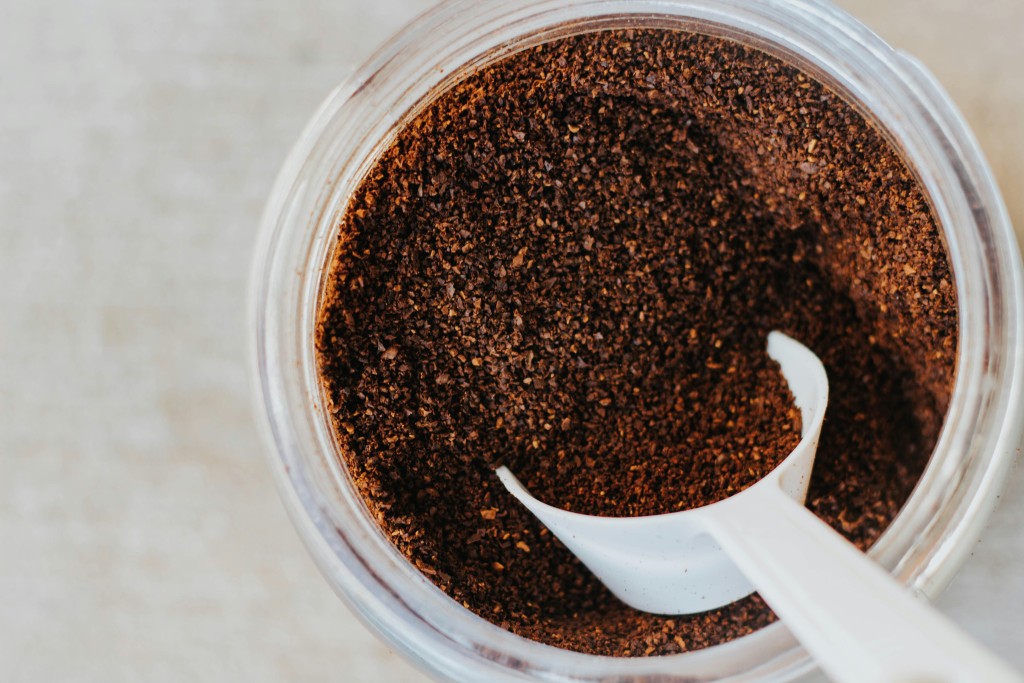
Do you throw away coffee grounds after brewing your daily cup? Experts have identified 9 surprising uses for coffee grounds – they can replace chemical dish soap to remove grease and act as a natural odor absorber for smelly shoes.
According to Japanese media grapee, many people who brew drip coffee simply throw away the used grounds. Key Coffee Co. highlights the following 9 alternative uses for coffee grounds:
- Natural Fertilizer and Compost: Coffee grounds have a porous structure with many tiny holes, helping improve soil conditions, making them ideal for home gardening. However, simply sprinkling them on the soil surface is ineffective. Follow these steps to make fertilizer:
- Line a cardboard box with newspaper and seal the bottom and sides with tape to prevent leakage.
- Fill the box about 70% full with dead leaves or fallen leaves. Add thoroughly dried coffee grounds and mix well.
- Stir gently daily to allow proper fermentation. If it feels slightly warm to the touch, fermentation is proceeding well. You can continue adding coffee grounds during the process.
- Reusable Deodorizer/Air Freshener: Coffee grounds have excellent odor-absorbing and deodorizing properties, making them great for places prone to smells like shoe cabinets, ashtrays, toilets, refrigerators, plastic containers, pots, pans, and fish grills. Simply put dried coffee grounds in a cloth bag or an open container and place it in the area needing deodorization. To remove odors from cooking pots, add water and coffee grounds to the pot, bring to a boil, let cool, then wash – it removes odors quickly.
- Natural Herbicide: Coffee grounds contain substances that inhibit plant growth, effectively preventing weed growth. Unlike using them as fertilizer, for weed control, simply sprinkle dried coffee grounds directly on the area where you want to suppress weeds.
- Pest and Stray Cat Repellent: Ants, mosquitoes, slugs, snails, and even cats strongly dislike the smell of coffee. Therefore, sprinkling coffee grounds around the outside of your house, in flower beds, along walls, or on the ground around the perimeter can effectively repel pests and keep stray cats away.
- Bath Additive: For those who enjoy the aroma of coffee, coffee grounds make an excellent bath additive. Simply place dried coffee grounds in a cloth bag, tie it securely, and put it in the bathtub. The bathroom will fill with a subtle coffee scent, creating a deeply relaxing bathing experience.
- Dish Soap Alternative: Coffee grounds can be used to clean glass cups and water bottles. Add a small amount of coffee grounds to the bottle and shake to clean it easily. For extremely greasy dishes, wiping them with coffee grounds first to absorb the oil makes subsequent washing much easier.
- Natural Dye and Pigment: The liquid extracted by boiling coffee grounds in water can be used as a natural dye or pigment. Since different coffee bean types and roasting levels produce varying shades of brown, you can experiment with different concentrations to dye fabrics with a unique, one-of-a-kind texture.
- Shoe Polish and Metal Polish: The natural oils in coffee grounds can restore shine to surfaces, making them an excellent polish for leather shoes and metals, even replacing wax products. To use, wrap dried coffee grounds in a dry cloth and gently rub the surface.
- Stuffing for Sewing Pin Cushions: For those who enjoy sewing, try using dried coffee grounds instead of cotton as stuffing for pin cushions. The oils in the coffee grounds not only provide rust protection for pins but also increase lubrication through fabrics, making sewing smoother.
Source: grapee (Japanese media)