
Read More
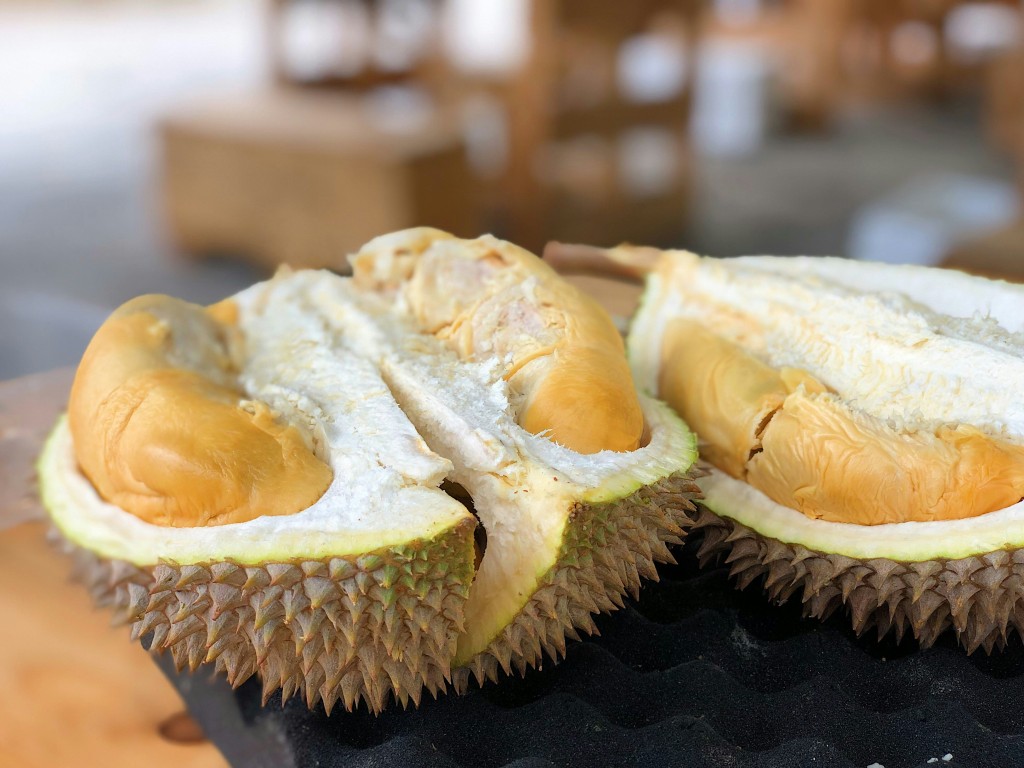
Summer is durian season. The market offers many varieties – Musang King, Black Thorn, Monthong – but what are the differences? How do you select a perfectly ripe durian? Sing Tao Headline compiles information from agricultural websites and Hong Kong Adventist Hospital to explain everything, helping you enjoy durian safely and healthily.
ADVERTISEMENT
SCROLL TO CONTINUE WITH CONTENT
According to the Agricultural Knowledge Portal, the three major durian exporting countries (Malaysia, Thailand, Vietnam) have cultivated numerous famous varieties. Malaysia alone has 134 registered varieties with "D+number" codes. Here's how common varieties differ:
1. Musang King (D197): Oval-shaped (larger at the base) with a clear five-pointed star pattern and small fine spines at the bottom. Can weigh over 3kg; medium-large variety. Flesh is bright yellow, sticky, sweet, and rich with a slight bitterness; smooth, creamy, and fine-textured with a luscious mouthfeel. Thick flesh, small seeds; the most expensive on the market.
2. Red Prawn / D160: Oval-shaped with distinct veins; flesh appears in bead-like clusters inside the segments. Can weigh over 3kg; medium variety. Flesh is light yellow, dense in texture, with a sweet, sticky, and slightly bitter taste; moderate durian aroma.
3. Black Thorn (D200): Short, round, pumpkin-like shape with a concave tip. The tip has a dry, withered stamen remnant resembling a long, dried thin spine – easily broken off during transport. Medium spines. Flesh is orange-yellow, soft like cotton candy, melts in the mouth, with a sweet and slightly bitter taste.
4. Green Skin / D123: Weighs 2-4.5kg, oval to wide-cylindrical shape; large variety. Five distinct veins visible; brownish-yellow skin, widely spaced spines. Flesh is bright yellow, thick, and abundant; fine, smooth, and sweet.
5. Monthong (Golden Pillow): Large variety (2-6kg); oval-cylindrical shape, tapering at the floral end. Spines have distinct beaks, light brown. Thick stalks and skin; dense conical spines. Flesh is pale yellow, smooth but slightly coarser than other varieties; ripening can be uneven.
6. Wild Durian (Red-Fleshed): Grows wild in forests; many varieties, some are Durio graveolens. Small to medium fruit, thin skin, bright red flesh, sweet flavor.
How to Tell Ripeness
How can you tell ripeness with all those sharp spines? The Agricultural Knowledge Portal offers these 6 tips:
- Smell the Aroma: Stronger aroma = better flavor. No aroma or a cooked sweet potato smell may indicate it was picked unripe or harvested during the rainy season.
- Scrape the Spines: Use your fingernail to scrape the spines. A ripe durian makes a "gurgling" sound due to flesh dehydration and gaps forming between flesh and shell. An underripe one makes a "squeaking" sound.
- Tap or Shake the Fruit: Similar to choosing a pineapple. Gently shake; if the flesh has separated inside, it will make a heavy sound.
- Press the Spines: Ripe durian is generally softer. Gently press the small spines with your fingers. If underripe, they will be as hard as nails.
- Check the Stem: A ripe durian has a smooth, intact stem. If the stem fibers are uneven, it's not ripe enough.
- Feel the Weight: Ripe durians have less moisture and feel lighter (or less heavy) compared to unripe ones.
Avoid Eating Durian with 5 Types of Food – Severe Cases Can Trigger Heart Attack
Hong Kong Adventist Hospital – Stubbs Road once reported that in 2022, a 24-year-old Thai man died after consuming durian with beer. Therefore, avoid pairing durian with the following:
- Alcohol: Research shows that sulfur compounds in durian can hinder the body from breaking down alcohol toxins, easily leading to alcohol poisoning.
- Cola: The caffeine in cola reacts with the high potassium in durian, accelerating heart and brain activity. Additionally, durian's high sugar content places a heavy burden on the heart, increasing the risk of blood vessel blockage or arrhythmia, potentially triggering sudden death from heart disease.
- Milk / Seafood / Crab: Eating them together can cause indigestion, intestinal cramps, and severe diarrhea.
Who Should Avoid Eating Durian?
The following 4 groups should also avoid or limit durian consumption:
- Individuals with cardiovascular disease: Durian is very high in carbohydrates and fat. Frequent or excessive consumption can lead to blood vessel blockage, potentially causing vessel rupture and stroke.
- Diabetics: Durian is a high-glycemic fruit that can cause blood sugar spikes.
- Kidney disease patients: Durian is rich in potassium. Those with poor kidney function cannot effectively excrete excess potassium and must be cautious with portion sizes.
- People with skin conditions: Those with a "heaty" constitution (prone to heat intolerance, constipation, dry mouth, acne, sensitivity to heat, or unexplained skin itching) may find that eating heaty fruits like durian and lychee promotes histamine release, leading to sensitivity and itching.
Sources: Agricultural Knowledge Portal (Taiwan), Hong Kong Adventist Hospital – Stubbs Road