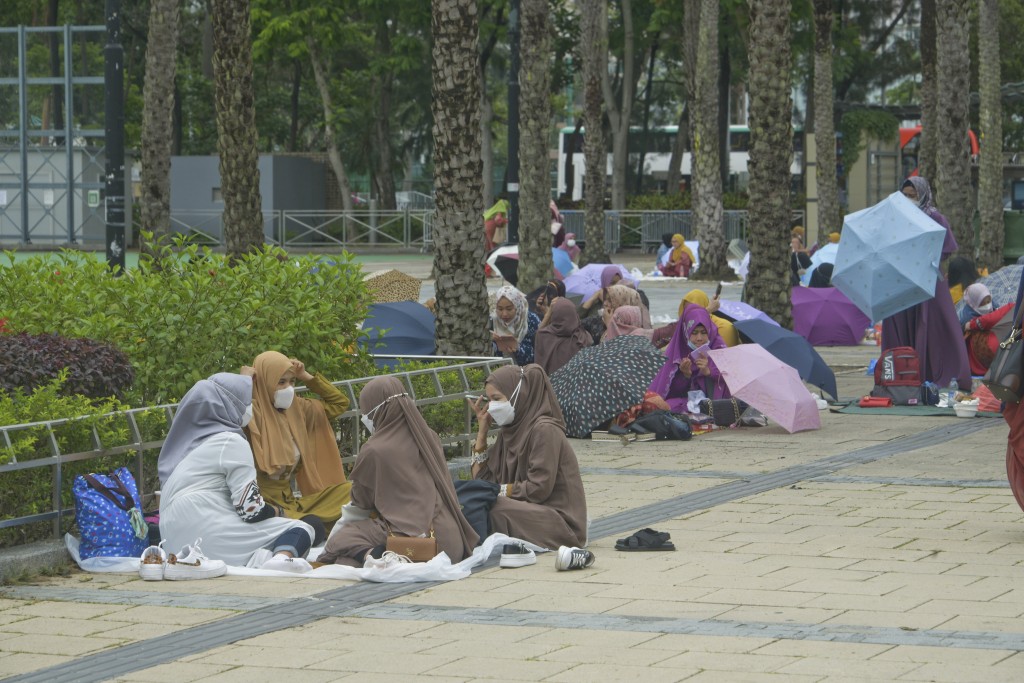
While foreign domestic workers in the city are demanding fairer pay, employers are warning that the proposed 30 percent increase could damage the employment relationship, shutting the door on newcomers.
This follows the call from the Hong Kong Federation of Asian Domestic Workers Unions to raise the minimum allowable wage from HK$5,100 to HK$6,670, and the monthly meal allowance doubled to HK$2,770.
Speaking on a radio program this morning, chairwoman of the Hong Kong Employers of Overseas Domestic Helpers' Association, Betty Yung Ma Shan-yee, clarified the minimum wage does not reflect helpers’ actual earnings.
"Employers will offer a raise if a helper performs well," Yung said, warning that a government-mandated hike would not be seen as recognition, but as a strain on employer-employee ties.
Wage hike could reduce hiring
Yung further explained that the minimum wage primarily serves as a benchmark for newly arrived helpers signing their first contracts, adding that actual pay often exceeds the minimum based on performance and tenure.
Highlighting that many employers are from middle- and lower-income families, she cautioned that the wage hike could increase their financial burden, which might deter them from hiring.
She struck a cautious note that job opportunities could be stifled for those seeking to work in Hong Kong if the number of employers decreases due to rising costs.
"It is more important to maintain a reasonable wage level," she said, noting that it would allow more families to afford helpers and create more job opportunities.
Yung also pushed back over the proposed meal allowance increase, noting the allowance was never meant to replace daily meals, only to cover rare occasions like employers traveling.
She added that the association has been encouraging employers to dine with their helpers and treat them as family members to foster better relations.
"If you tell them to eat by themselves, aren't you treating them as outsiders?" Yung asked.
Increasing the mandatory allowance, she said, could prompt some helpers to demand the payment instead of sharing meals together, further undermining relationships.