Eating soy products isn't always healthy – beware of hidden weight-gain traps! A nutritionist points out that 5 processed soy products on the market are "fat bombs." Among them, common items like fried tofu and a processed tofu sheet product can be greasier than pork ribs.
Nutritionist Tsai Zheng-liang posted on his Facebook page that when he sees soy products at a buffet, he reminds himself not to assume all soy-based foods are healthy. While soybeans themselves are highly nutritious, some processed soy products can contain more oil than pork ribs. He lists the following 6 soy products as potential "fat bombs":
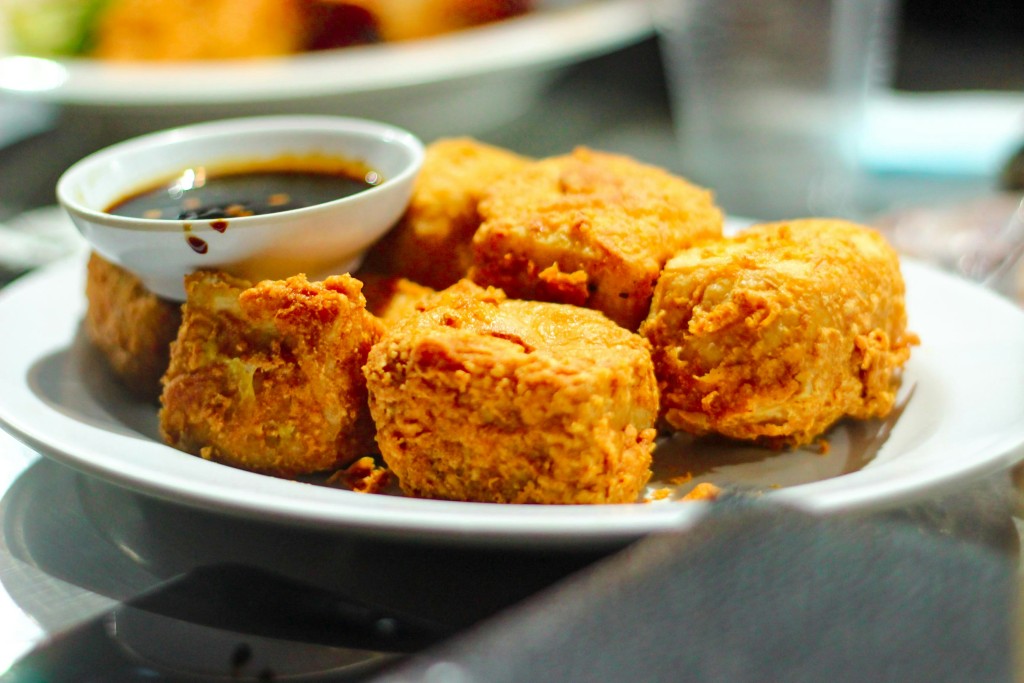
- Fried Bean Curd (Lan Hua Gan / Tofu Puffs with Cuts): This product must be cut and deep-fried to puff up. The braising liquid only coats the surface; the holes inside are actually saturated with oil. When you bite into it, what feels like "bursting juice" is actually about 70% oil.
- Fried Bean Curd Sheets / Deep-Fried Tofu Skin (Dou Bao / Fu Zhu): Dried tofu skin has the highest soybean content among all soy products. However, the fried version found in restaurants is layered and almost always deep-fried to set its shape. Its sponge-like structure absorbs oil easily. If you see a golden-brown, wrinkled fried tofu skin product, skip it. Only the white, raw, un-fried version is a healthy choice.
- Fried Tofu Puffs (Oil Tofu / Dou Po): Many people equate fried tofu puffs with healthy firm tofu just because the name contains "tofu." In reality, when tofu is deep-fried, the simple protein gains an extra layer of oil, making it more tender and better at absorbing braising liquid. Firm tofu is only about 5% fat, but deep-fried puffs can have fat content spiking to 20%. One triangular fried tofu puff contains about the same amount of oil as half a tablespoon (8 grams).
- Processed Tofu Sheet (Bai Ye Tofu / Tofu Skin Roll): Although called "tofu," this is a completely different type of product. It is made by recombining soy protein, water, and oil, using large amounts of oil to create a particularly chewy texture. For the finished product, actual soybean content may only be about 20-30%, but its fat content can reach 15-20%.
- Frozen Tofu: Frozen tofu is made by freezing and thawing traditional tofu. Its soybean content is similar to traditional tofu (about 70-80%), and its oil content remains around 4-6%. However, the freezing process creates many holes (from ice crystals), which easily absorb hot pot broth or braising liquid. Therefore, what you consume often includes not just protein, but also significant amounts of salt and oil.
Tsai emphasizes that he's not saying to completely avoid soy products, but rather reminding everyone that not all soy products retain the full nutrition of soybeans. Generally, the more fragrant, chewy, or smooth a soy product tastes, the higher its degree of processing and oil content. If you want to truly supplement with high-quality soybean protein, he recommends choosing firm tofu, silken tofu, unsweetened soy milk, or boiled and chilled whole soybeans.