On hot summer days, many people enjoy a bowl of chilled grass jelly (also known as "liangfen" or "xiancao") to cool down. However, kidney disease patients or those on dialysis need to be particularly careful. One doctor points out that plain grass jelly itself is not harmful; it's the three common toppings added to chilled grass jelly that can actually damage the kidneys. How should grass jelly be eaten to make it safer and healthier?
Nephrologist Dr. Lam Hin-yam posted on his Facebook page that grass jelly is made by boiling a herbal plant and letting it cool until it sets. It is smooth and has a subtle, grassy aftertaste, but is almost flavorless on its own. Precisely because it has little flavor, it places little burden on the body. Plain grass jelly is extremely low in calories, contains almost no sugar, very little protein, and its potassium and phosphorus levels are not particularly high. For most kidney patients, it is not like star fruit (which contains neurotoxins) or nuts and organ meats (which are very high in phosphorus). What makes a bowl of grass jelly dangerous are actually the following 3 toppings:
3 Types of Toppings to Choose Carefully When Eating Chilled Grass Jelly
- Sugar Syrup and Condensed Milk: Commercially sold grass jelly or shaved ice with grass jelly often contains a significant amount of syrup underneath. For kidney patients with concurrent diabetes (clinically common as "diabetic kidney disease"), this bowl of sugary water can cause blood sugar spikes. Poorly controlled blood sugar is a major cause of rapid decline in kidney function.
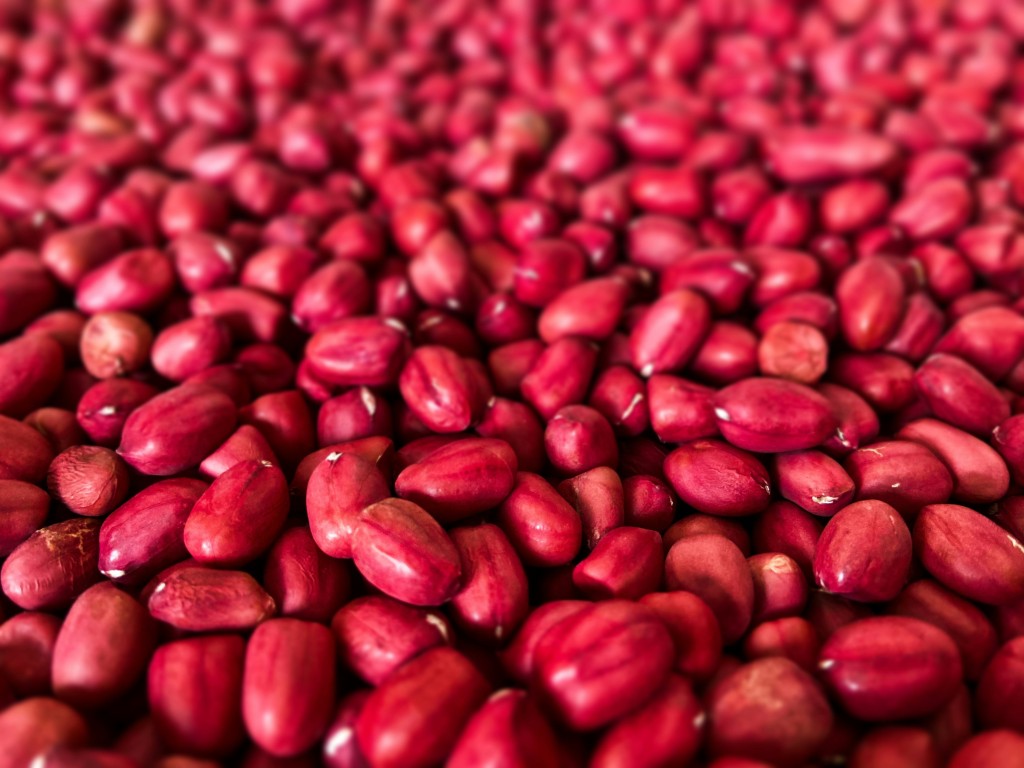
- Red Beans: While red beans sound healthy, they are actually high in both potassium and phosphorus. For kidney patients who need to strictly limit blood potassium and phosphorus levels, especially those already on dialysis, red beans are a high-risk food.
- Taro Balls and Tapioca Pearls: Taro itself is not low in phosphorus. Starchy toppings like tapioca pearls and taro balls, when eaten in large quantities, can quickly increase calorie intake and strain on the kidneys.
He points out that cooling desserts like grass jelly, aiyu jelly, and gelatin are essentially solidified water. For dialysis patients, those with low urine output, or those with no urine who need to strictly limit fluid intake, every seemingly harmless spoonful of chilled grass jelly or hot grass jelly soup is essentially adding water to the body. This hidden fluid won't cause immediate discomfort, but it can manifest as ankle swelling, shortness of breath, or weight gain between dialysis sessions.
3 Tips for Eating Grass Jelly Smartly
Can kidney patients not eat grass jelly at all in summer? Lam says they can – the key is how to eat it "smartly":
- Choose plain, low-sugar, or sugar-free grass jelly – but do not add sugar syrup.
- Avoid high-potassium and high-phosphorus toppings like red beans, taro balls, and taro. For better texture, substitute with small amounts of low-nitrogen starch options like aiyu jelly, or a very tiny amount of tapioca pearls.
- Remember to count the grass jelly towards your daily fluid limit. This is especially important for dialysis patients, those with severe edema, or those with doctor's orders to restrict fluids. If you eat grass jelly, you must correspondingly reduce other soups and drinks that day.
Early Symptoms of Kidney Disease / Kidney Failure: Pay Attention to Urine Changes
According to the Hong Kong Hospital Authority, the main functions of the kidneys include excreting metabolic waste, coordinating fluid and electrolyte balance, pH balance, blood pressure regulation, producing erythropoietin (to stimulate red blood cell production), and helping activate Vitamin D. When kidney function is severely damaged over a long period due to various causes, waste accumulates in the body, leading to multiple functional problems and potentially progressing to chronic kidney failure.
However, early-stage kidney disease and chronic kidney failure often have subtle symptoms. More common symptoms include:
- Blood in urine / tea-colored urine (hematuria)
- Foamy urine (proteinuria)
- Cloudy urine (urinary tract infection)
- Burning pain during urination, frequent urination
- Difficulty urinating, poor stream
- Passing small stones in urine
- Increased urination, decreased urine output, nighttime urination (nocturia)
- Lower back or abdominal pain
- Swelling of ankles or eyelids
- High blood pressure
4 High-Risk Groups for Kidney Failure: Severe Cases May Require Dialysis
According to the Hong Kong Hospital Authority, when kidney function is severely damaged over a long period due to various causes, the kidneys' ability to excrete metabolic waste is impaired. Waste accumulates in the body, causing various functional problems and leading to chronic kidney failure.
When reaching the stage of end-stage renal failure, patients require dialysis (or kidney transplantation) to sustain life. Patients with the following conditions are at higher risk for chronic kidney failure:
- Diabetes
- Glomerulonephritis (including lupus nephritis)
- Hypertension
- Congenital kidney disease and family history of kidney disease
Sources: Nephrologist Dr. Lam Hin-yam, Hospital Authority (Hong Kong)