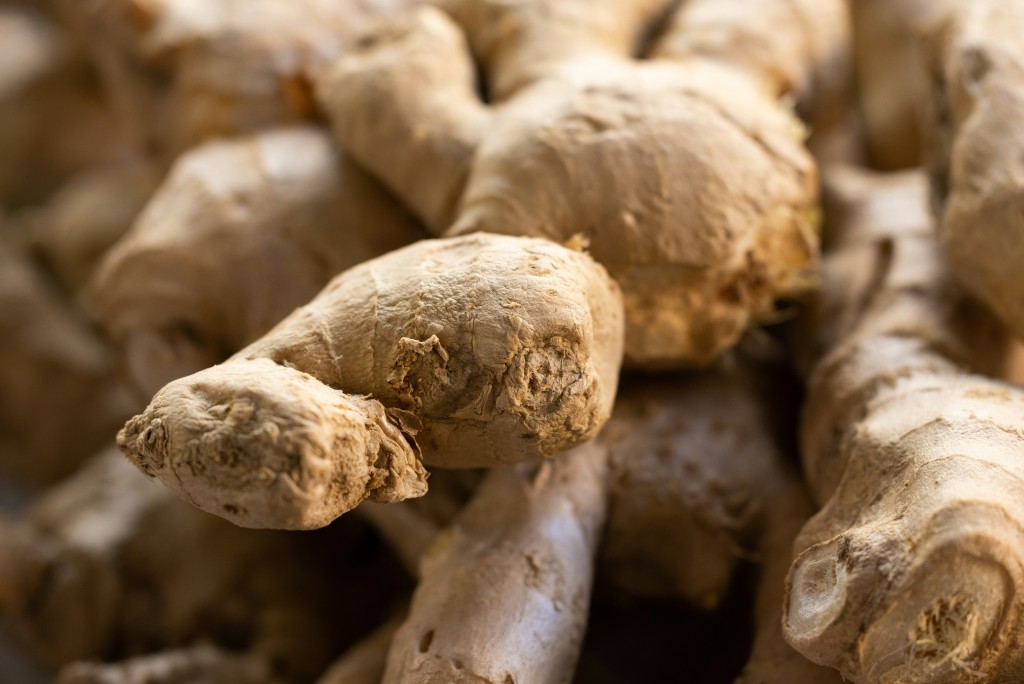
Summer body odor troubles many in Hong Kong. Even before July and August, many netizens complain about worsening smells, with a mix of body odor, sweat smell, and bromhidrosis causing distress. A folk remedy circulating online claims that "applying or wet-compressing ginger on the armpits can inhibit bromhidrosis." But is this remedy effective? Health authorities have stated this method is wrong and that true improvement requires scientific approaches.
Ginger, Baking Soda, Vinegar Are Also Ineffective – Improper Application Can Harm Skin
The Taiwan Food and Drug Administration (TFDA) points out that casually using irritating substances like ginger can easily cause skin sensitivity, inflammation, or even burns. The real ways to improve bromhidrosis are medical consultation, microwave therapy, or surgery. Folk remedies should not be trusted.
The TFDA also stated that substances like baking soda and vinegar cannot treat bromhidrosis. These substances not only fail to reduce underarm sweat odor or excessive sweating, but they can also easily cause skin irritation and injury. Keeping the underarm skin dry is the most basic care. If the odor persists for a long time, consult a doctor. Never be superstitious about folk remedies, as they may lead to unpredictable risks.
The Truth About Odor: It's Not the Sweat Itself
Intensive care physician Dr. Wong Hin explains that many mistakenly believe sweat odor comes directly from sweat. In fact, freshly secreted sweat is almost odorless. The real culprit is bacteria on the skin! The skin's surface is covered with microorganisms. Certain bacteria particularly like the proteins and fats in sweat. When sweat meets bacteria, the bacteria decompose these nutrients, producing various odorous compounds, which we perceive as body odor.
Why Are Armpits Particularly Strong? Apocrine Glands Are Key
The human body has two main types of sweat glands:
- Eccrine glands: Distributed throughout the body, secreting clear, odorless sweat primarily for temperature regulation.
- Apocrine glands: Mainly located in the armpits, groin, and other areas. They secrete sweat containing more proteins and fats. This nutrient-rich sweat interacts with bacteria, more easily producing strong body odor.
The armpit is like a miniature "bacterial party." Sweat is the party's "buffet," and the "metabolic waste" left behind by the bacteria is the embarrassing sweat smell.
5 Ways to Combat Underarm Sweat Odor – Address the Root Cause
Understanding the cause of sweat odor allows you to work on two fronts: "reducing bacteria" and "controlling sweat." Wong recommends 5 effective methods:
- Maintain Personal Hygiene – Clean Sweat-Prone Areas with Antibacterial Soap: Regular skin cleansing effectively reduces surface bacteria, lowering the incidence of body odor by up to 98.3%. Bathe daily and use antibacterial soap or specific cleansers for areas like armpits and groin to reduce bacteria by 95-99%.
- Choose Breathable Clothing – Let Skin Breathe: Non-breathable clothing easily allows sweat to linger, creating a warm, humid environment that promotes bacterial growth. Choose loose-fitting, breathable natural fabrics like cotton-linen or bamboo fiber to help sweat evaporate and keep skin dry. Use performance wicking fabrics for exercise.
- Adjust Your Diet – Reduce Odor from the Inside Out: Metabolites of certain pungent, strongly flavored foods like garlic, onions, curry, and red meat may be excreted through sweat, worsening body odor. Eat less of these, increase fresh fruits and vegetables, and drink enough water to help the body detoxify, leading to a fresher smell.
- Manage Stress – Keep Your Mood Light: Stress stimulates the body to secrete more adrenaline, which in turn prompts apocrine glands to produce sweat rich in proteins and fats – a "feast" for bacteria. Learning stress management techniques like meditation, yoga, or regular exercise benefits both physical and mental health and can improve body odor.
- Choose Appropriate Antiperspirants or Deodorants:
- Antiperspirants: Contain aluminum salts that temporarily block sweat glands, reducing sweat production by 20-50%. Less sweat means less raw material for bacteria to decompose.
- Deodorants: Primarily work by inhibiting bacterial growth or masking odor with fragrance. They do not reduce sweat but effectively control odor.