In daily life, the effects of maintaining the same posture for extended periods on the spine and muscles are often overlooked. Whether hunching over a phone, burying your head in work, or sitting still for too long, all these actions place continuous stress on the spine and muscles. Experts remind that you should get up and move around periodically, doing simple stretches to help muscles relax, reduce joint stress, and prevent various spinal problems.
Yoga Instructor Also Experiences Issues: Seeks Help for Chest Tightness and Breathing Difficulty
Many sports have built-in stretching and extension effects. Yoga is one popular and quite effective option. Registered Chiropractor Dr. Wong Chun-wah shared a case with Sing Tao Headline about a female yoga instructor in her fifties. Normally agile and very aware of her body, she had practiced yoga for years without major issues. Recently, however, during her practice, she began to feel shortness of breath and a sensation of chest tightness.
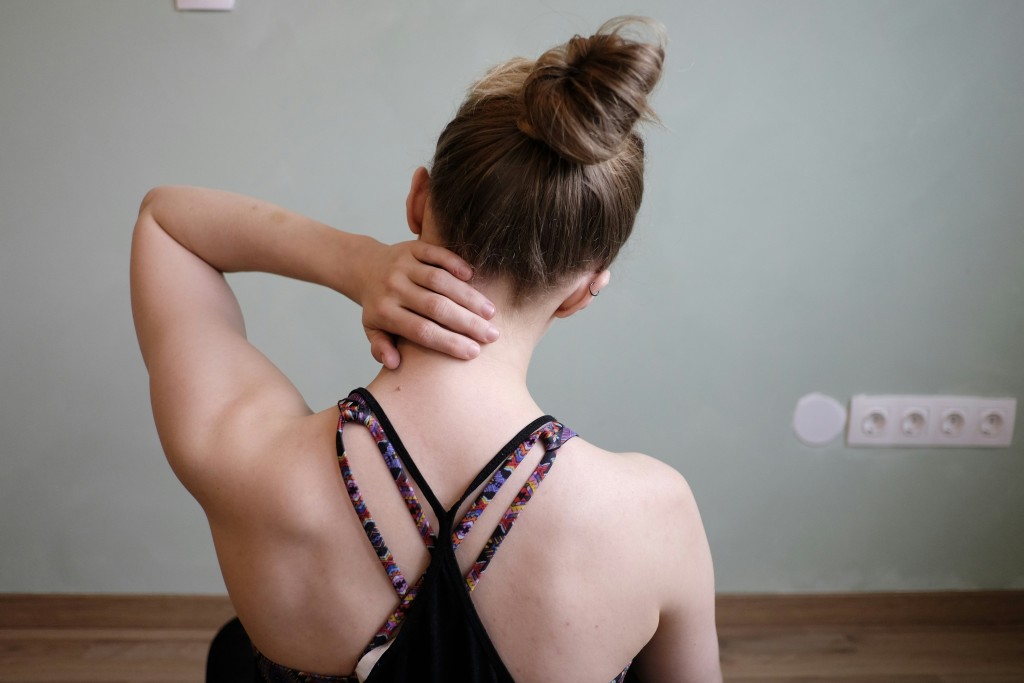
She clearly identified the problem area as her thoracic spine, below the neck and above the waist. The muscles around her back and ribs became particularly tight, and her upper body range of motion noticeably decreased. She tried strengthening yoga poses targeting the thoracic spine and back to relax the muscles. Instead of improvement, she found that certain movements made her breathing difficult, feeling pressure on her chest. Ultimately, she decided to seek help from a chiropractor.
Diagnosis: Thoracic Spine Dysfunction (T1-T4)
Wong conducted a thorough examination and found dysfunction in the first to fourth thoracic vertebrae (T1-T4). Additionally, the normal forward curve (lordosis) of her cervical spine was reduced. This led to compensatory tightening of a chain of upper body muscles and restricted rib movement, directly affecting breathing depth and smoothness.
In terms of chiropractic treatment, Wong first used ultrasound therapy to reduce inflammation and relieve tightness and pain. He then used manual adjustments to correct joint positions, gradually restoring normal alignment and mobility to the thoracic and cervical spine. After several treatments, neck and back pain significantly decreased, but overall recovery was slower than expected.
The Hidden Culprit: Hanging a Phone Around the Neck
During a follow-up visit, Wong noticed that for convenience, the instructor had a long-term habit of hanging her phone around her neck as part of daily life. Smartphones have large screens and considerable weight. Constantly hanging one around the neck adds persistent extra pressure to the cervical and thoracic spine, easily leading to spinal misalignment and continuous muscle tension. This hidden habit was precisely slowing down her recovery.
After Wong brought this to her attention, she broke the bad habit. Her recovery speed noticeably accelerated, neck and back discomfort continued to improve, and her breathing returned to normal. Wong points out that small habits determine overall health. Paying attention to and adjusting them early leads to fewer spinal problems.
Yoga Instructor Teaches 3 Moves to Strengthen Back Muscles and Improve Breathing
Yoga therapist Zora Lai suggests strengthening neck stretches and back muscles daily. The following 3 movements can help improve upper body tightness and breathing difficulty:
Movement 1: Neck Stretch (Trapezius Stretch)
- Sit cross-legged on the floor with spine straight, head, neck, and spine aligned.
- Inhale to lengthen the spine. Exhale and lower your head to the right, face pointing toward the floor.
- Gently place your right hand on the back of your head and apply light downward pressure (need not be forceful).
- Hold for 3-5 breaths, feeling a stretch in the left side of your neck and trapezius.
- Repeat on the other side. If sitting on the floor is difficult, perform while sitting on a chair.
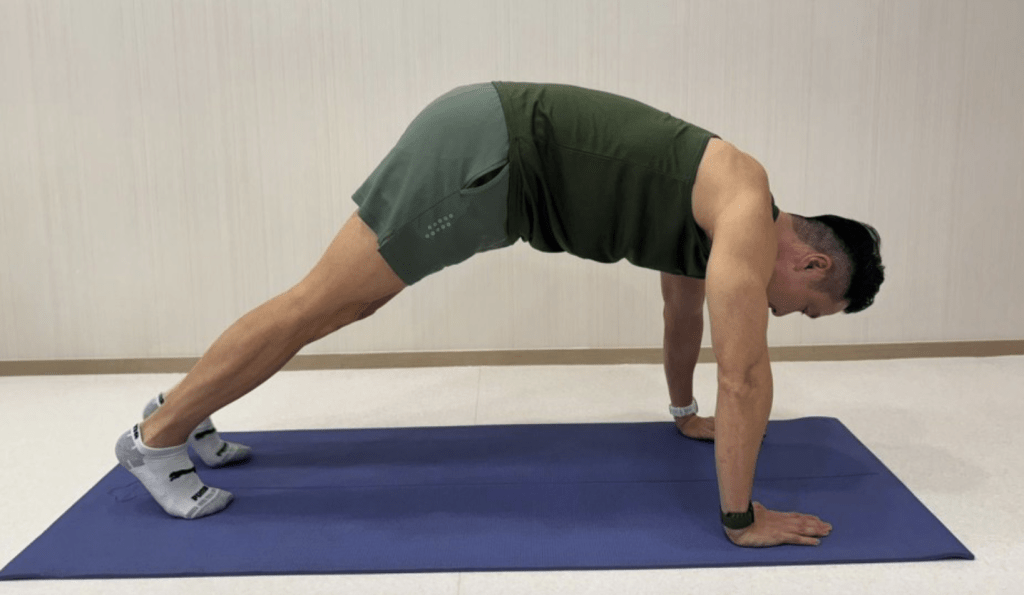
Movement 2: Standing Forward Bend to Stretch Upper Back (Warm-up for Movement 3)
- Stand with heels, pelvis, and shoulders aligned. Extend both arms straight to hold the back of a chair.
- Take a deep breath in. Exhale and gently press your chest down toward the floor, slightly rotating your upper arms inward.
- Feel a stretch in your upper back, shoulder blades, and shoulders, as well as your legs.
- Hold for 3-5 deep breaths. Inhale, round your back, and slowly return to the starting position.
Movement 3: Assisted Squat with Upper Back Stretch (Strengthens Legs, Glutes, and Back)
- Sit on a chair, holding the seat with both hands, feet flat on the floor.
- Inhale and slowly lift your pelvis off the chair, shifting your lower body slightly forward.
- Exhale, bend your elbows, shift your weight downward, engage your thighs, and lower your hips toward the floor (without actually sitting down).
- Inhale and sit back on the chair. Exhale and repeat the downward movement. Repeat 10 times to complete one set.