
Read More


Sperm count have dropped 60%: Scientists warn of environmental crisis
18-05-2026 12:00 HKT




Daily 10-minute "zero-sweat fat loss method" can reduce waistline by 5cm
14-05-2026 12:00 HKT



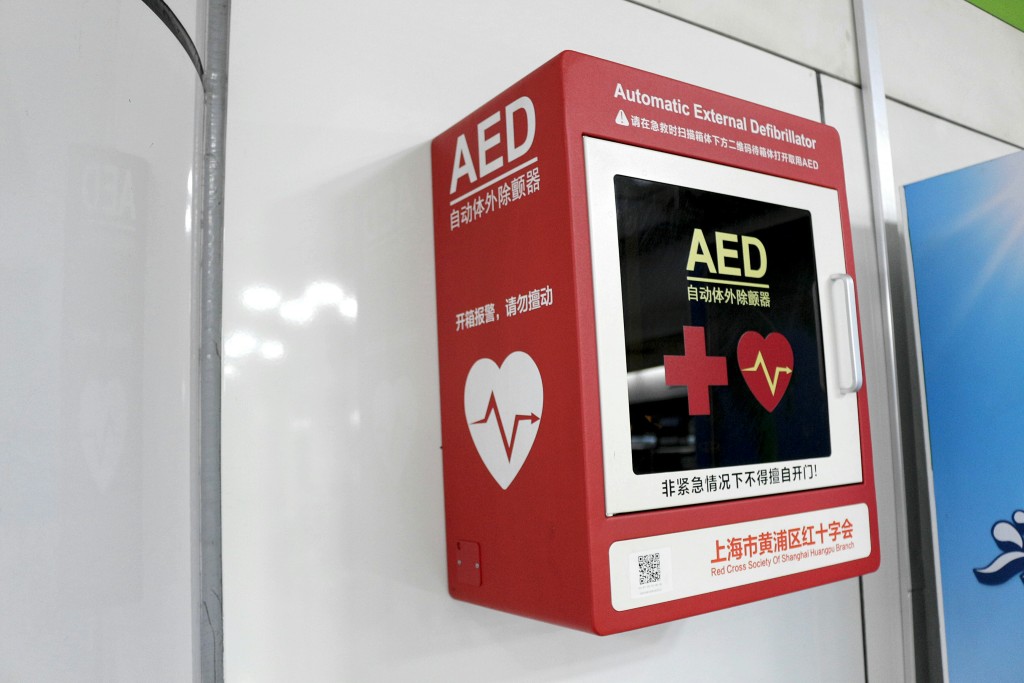
When sudden cardiac arrest occurs, every second counts. When you witness someone collapse, while calling 999 and waiting for emergency services, knowing how to use an automated external defibrillator (AED) and deliver a shock during the critical "golden 4 minutes" can dramatically increase survival rates.
During the 2018 Standard Chartered Marathon, a 50-year-old male runner collapsed during the 10km race and died four days later. An inquest revealed it took 25 minutes for an AED to reach him and 28 minutes for an ambulance. The delay in emergency response was a key factor. This tragedy highlights that early AED use is crucial for saving cardiac arrest patients.
AEDs are designed specifically for laypeople. Even users without any medical background can follow the device's clear voice and visual prompts to complete each step. Anyone can step in to help at a critical moment.
Some citizens misunderstand AEDs, fearing improper use could harm the patient. In fact, AEDs have an automatic rhythm analysis function. They will only recommend a shock if they detect a "shockable rhythm." If the patient's heart rhythm is normal or has completely stopped (asystole), the device will clearly state "No shock advised" and guide the user to continue CPR.
Some may worry about legal liability if their rescue attempt fails. However, there have been no cases in Hong Kong of someone facing legal action for a good-faith rescue attempt. The AED's design handles the critical clinical judgment. Courts would only likely find a rescuer liable in cases of "gross negligence" (conduct far below the standard expected of a reasonable person). As long as the rescuer follows the device's voice instructions and acts in good faith, the law effectively protects those who step forward to help.
To improve public awareness, some countries have integrated CPR and AED training into core school curricula. In the US, over 30 states require high school students to pass CPR training to graduate. In the UK, first aid training is part of the required secondary school curriculum. In Japan, over 90% of high schools regularly hold AED drills. This education not only equips students with knowledge but also builds their confidence to act in an emergency.
If you encounter someone who collapses, is unresponsive, and breathing abnormally:
In Hong Kong, AEDs are installed in public places like airports, MTR stations, shopping malls, schools, and community centers. The public can use the Fire Services Department's "AED in Place" app to quickly locate nearby AEDs.
In the "Chain of Survival" from international first aid guidelines, the AED is a critical link connecting public response to professional medical care. For a cardiac arrest patient, if no one helps, survival is nearly impossible. But if you take that step and lend a hand, you can reignite their chance of life.