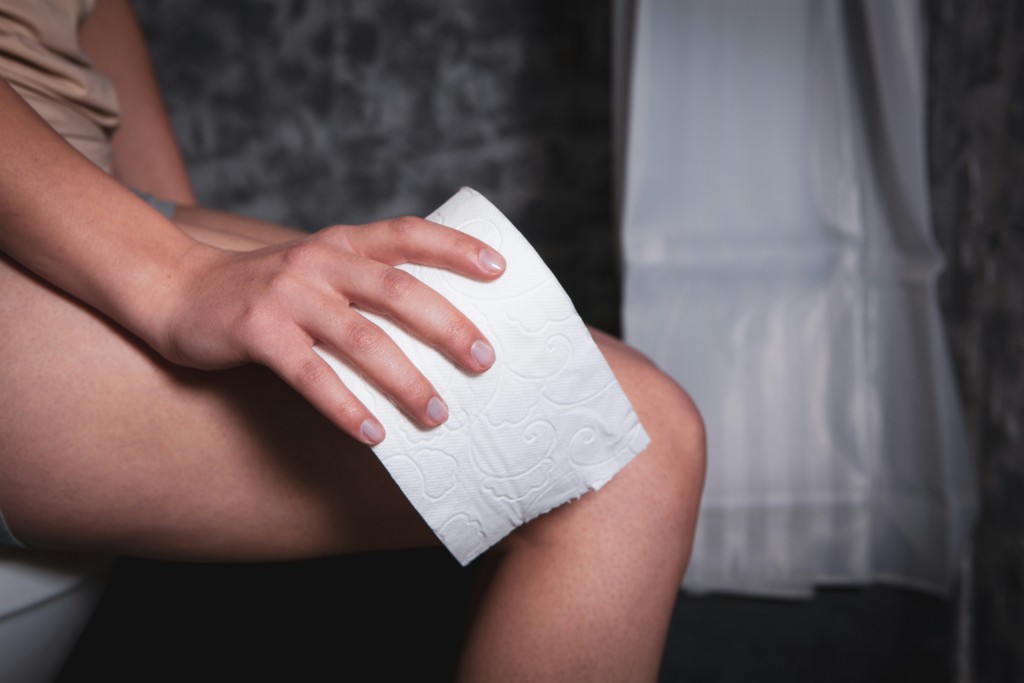
Constipation is a very common urban health issue. According to Department of Health statistics, 1 in every 7 people in Hong Kong suffers from constipation. Many people think constipation is only caused by eating too few vegetables or drinking too little water. However, it may actually signal underlying risks of colorectal cancer and Parkinson's disease. Surgeon Dr. Lau Cheuk-ling was interviewed by Sing Tao Headline to explain the hidden causes of constipation in detail. He also teaches 4 methods to relieve constipation and 1 fast-acting toilet posture to help the public protect their gut health.
How is Constipation Defined? 2 of These 6 Warning Signs Indicate Constipation
Lau points out that constipation is not simply a reduction in bowel movements, but a comprehensive manifestation of defecation dysfunction. If 2 or more of the following symptoms persist within the past 3 months, it can be diagnosed as constipation, and you should seek medical attention promptly:
- Fewer than 3 bowel movements per week
- Needing to strain excessively during defecation
- Persistent feeling of incomplete evacuation after a bowel movement
- Stool that is pellet-like or hard lumpy
- A sensation of blockage or obstruction in the anus or rectum
- Needing manual assistance (e.g., pressing the abdomen, digital evacuation) to defecate
Constipation Isn't Always Due to Low Veggie/Water Intake: Could Signal Colorectal Cancer/Parkinson's?
Lau explains that the causes of constipation can be divided into dietary and non-dietary factors:
1. Dietary Factors
- Insufficient dietary fiber intake: Low consumption of fruits, vegetables, and whole grains reduces stool bulk and slows intestinal peristalsis.
- Inadequate fluid intake: Leads to hard, dry stools that are difficult to pass.
- Excessive intake of high-fat, high-protein foods: Foods like fried items and red meat can delay intestinal transit and increase constipation risk.
2. Non-Dietary Factors
- Aging: Slower intestinal peristalsis, reduced digestive secretions, weaker abdominal and pelvic floor muscles, and decreased rectal sensitivity put the elderly at significantly higher risk.
- Medications: Certain drugs, such as some antihypertensives, iron supplements, calcium tablets, antidepressants, and painkillers, may inhibit intestinal motility.
- Medical conditions: Rectal or colorectal cancer, hypothyroidism, neurological disorders (e.g., Parkinson's disease), irritable bowel syndrome, and hemorrhoids can all cause or worsen constipation.
- Lifestyle habits: Prolonged sitting, lack of exercise, habitually ignoring the urge to defecate, irregular routines, and mental stress (anxiety, tension), as well as pregnancy, can disrupt normal bowel function.
Straining to Defecate Hides Multiple Health Risks, Including Stroke and Heart Attack
Lau states that many constipation patients, eager to pass hard, dry stools, often unconsciously strain excessively. This seemingly diligent effort actually hides multiple health risks:
- Hemorrhoids and Anal Fissures: Straining causes a sharp rise in pressure on the blood vessels around the anus, easily triggering or worsening hemorrhoids. Forcibly passing hard, dry stool can also tear the anal canal skin, causing painful anal fissures.
- Increased Risk of Stroke/Heart Attack: For the elderly or those with high blood pressure or heart disease, sudden straining can cause a spike in blood pressure and heart rate, increasing the chance of stroke or heart attack.
- Defecation Syncope: Some people may overstimulate the vagus nerve, causing slowed heart rate, a sudden drop in blood pressure, and temporary dizziness, blackouts, or even fainting during defecation.
- Rectal Prolapse: Long-term excessive straining can weaken the supporting muscles of the pelvic floor, potentially causing rectal mucosal prolapse, which further interferes with normal defecation.
Can Health Supplements for Constipation Cause Severe Side Effects?
The market is flooded with supplements claiming to "moisten the intestines and relieve constipation" or "detoxify the gut." Lau advises:
- Aloe vera: Contains mucilage that lubricates the intestines to promote bowel movements. However, excessive consumption can easily cause diarrhea and abdominal pain. Those with sensitive stomachs should be particularly cautious. Some people may be allergic, experiencing skin itching, redness, or even severe reactions. Pregnant and breastfeeding women should avoid it.
- Probiotics: Can regulate gut flora balance, improve digestion, and relieve constipation. However, excessive amounts may cause bloating, flatulence, or diarrhea. Individuals with weakened immune systems may face an increased risk of infection, such as bacteremia. Long-term high-dose use may also lead to gut flora dependence, affecting the body's self-regulation.
- He also reminds that aloe vera may interact with certain medications (e.g., anticoagulants), affecting their efficacy. If taking probiotics with antibiotics, separate them by at least two hours to avoid antagonistic effects.
Always consult a doctor before use, choose products suitable for your individual constitution and health status, follow recommended dosages, and avoid long-term dependence to maintain gut health.
4 Methods to Improve Constipation + 1 Toilet Posture for Smooth Bowel Movements
To fundamentally improve constipation, Lau emphasizes starting with lifestyle habits rather than rushing to rely on medication. He recommends the following methods:
- Dietary Adjustment: Consume 25-30 grams of dietary fiber daily from vegetables (spinach, celery, cabbage), fruits (oranges, pears, apples, bananas), whole grains (brown rice, oats, corn), and legumes. Eat light meals and reduce spicy, fried, and dry/hard foods.
- Adequate Hydration: Drink 1500-2000 ml of water (about 6-8 glasses) daily. Drink 200-300 ml before each meal. On hot days or when sweating heavily, increase intake to prevent dehydration-induced constipation.
- Moderate Exercise: Engage in at least 150 minutes of moderate-intensity aerobic exercise weekly, such as brisk walking, jogging, or swimming, for at least 30 minutes per session, to promote intestinal motility.
- Good Defecation Habits: Establish a regular daily toilet time. Never ignore the urge to defecate; go to the bathroom promptly when you feel the urge. When defecating, stay relaxed. Place a small stool under your feet to elevate them, lean your body slightly forward. This helps widen the anorectal angle, making defecation smoother. Additionally, reducing stress through meditation, yoga, or deep breathing can indirectly improve bowel function.
Lau reminds that if symptoms do not improve after lifestyle adjustments, medication may be used under medical guidance. Do not self-medicate. Constipation medications have side effects (abdominal pain, diarrhea, electrolyte imbalance) and long-term use can cause dependence, weakening the bowel's natural motility and worsening constipation when stopping. Once regular bowel function is restored with medication, return to a balanced diet with adequate fiber and fluids, along with exercise and good habits. If symptoms persist despite medication, or if you experience blood in the stool, severe pain, or weight loss, seek medical attention promptly to rule out other underlying diseases. In summary, medication is a short-term aid; addressing lifestyle habits is the fundamental solution.