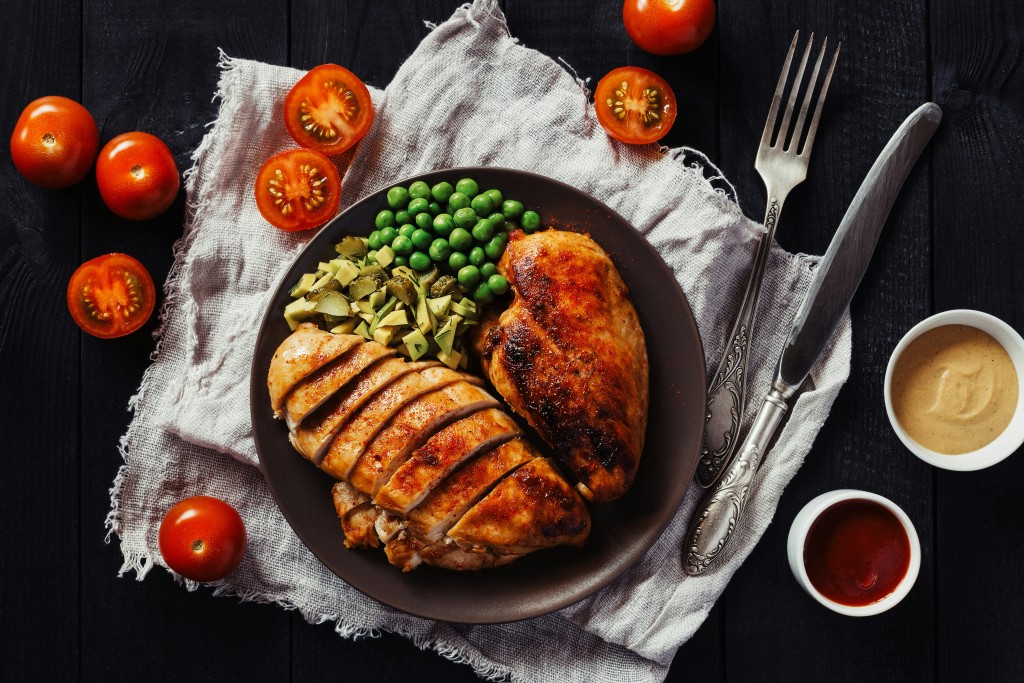
Amid the recent nationwide fitness craze, many gym-goers or those pursuing an ideal physique have chicken breast as a staple in their daily diet. Besides its high protein content for muscle building and fat loss, chicken breast also hides a powerful fatigue-fighting effect. Studies have found that eating chicken breast not only boosts physical strength but also serves as a natural protective barrier for the nervous system.
Steaming or Quick Stir-Frying Locks in Nutrients
How should chicken breast be cooked to retain the most nutrients? Lin Min-hua, Director of the Nutrition Department at Taiwan's Yunlin Christian Hospital, points out that "steaming" or "quick stir-frying" are the best options. She recommends using low-temperature, short-duration cooking (about 10-15 minutes), which best preserves the structure of imidazole dipeptides and proteins, preventing excessive nutrient loss from high heat.
Control Boiling Time
If choosing to "boil" or "stew" chicken breast, Dietitian Lin suggests putting it into boiling water for just 2-3 minutes before removing it, avoiding continuous heating for more than 30 minutes, otherwise nutrients will be excessively released into the cooking liquid. If cooked for too long, it is recommended to consume the cooking liquid as well to fully absorb the nutrients. Additionally, when using "medium-heat pan-frying," cook quickly, avoid prolonged charring or high-temperature deep-frying, and pair with vegetables for added antioxidant protection.
Noticeable Stamina Improvement After 2 Weeks
A Japanese human trial on anti-fatigue confirmed that among 23 anti-fatigue ingredients, 19, including B vitamins, were found to have limited effects. Only imidazole dipeptides, coenzyme Q10 (CoQ10), and citric acid showed the most significant results. 100 grams of raw chicken breast contains up to 1200 mg of imidazole dipeptides, far exceeding turkey and deep-sea fish. The average person only needs to eat 100 grams of chicken breast daily (about one pre-cooked chicken breast fillet) for two weeks to feel a noticeable improvement in stamina.
Lin explains that the mechanism of imidazole dipeptides is very unique, mimicking the principle that allows migratory birds to fly continuously for 9 days without rest. Imidazole dipeptides directly neutralize reactive oxygen species (free radicals) in the body, preventing them from causing oxidative cell damage and DNA harm. Their mechanism involves preventive clearance rather than post-damage repair. They also have the ability to cross the blood-brain barrier. This means they can protect the autonomic nerve center from oxidative damage induced by stress. Research indicates that this component also helps prevent neurodegeneration, cognitive deficits, and depression.
Intake Should Be Adjusted Based on Physical Condition
For individuals needing pre-surgical nutritional support, one fillet per day is recommended to meet protein requirements. For kidney disease patients who need to restrict protein intake, it is recommended to consume the "broth" or "essence" instead. The temperature stability of the anti-fatigue components in chicken means their effectiveness does not disappear after cooking; they are water-soluble, and the energizing components can still be obtained through water-based extraction.
Pair with One "Item" for Enhanced Effect
Regarding anti-fatigue strategies, Lin recommends CoQ10 for those over 30 experiencing "chronic lack of energy" or for long-distance runners, while citric acid suits those wanting to accelerate lactate metabolism after exercise. Pairing chicken breast with lemon water provides comprehensive vitality support through complementary energy metabolic pathways. By mastering the correct low-temperature, quick-cooking method, chicken breast is not only an ideal choice for keeping fit but also a powerful health ally against fatigue.