
Read More
If the body remains in a state of chronic inflammation, it can easily lead to diseases such as cancer, heart disease, diabetes, stroke, and kidney disease. A nutritionist recommends 8 anti-inflammatory foods, noting that one of these has antioxidant power 50 times stronger than Vitamin E and even helps protect cardiovascular health.
ADVERTISEMENT
SCROLL TO CONTINUE WITH CONTENT
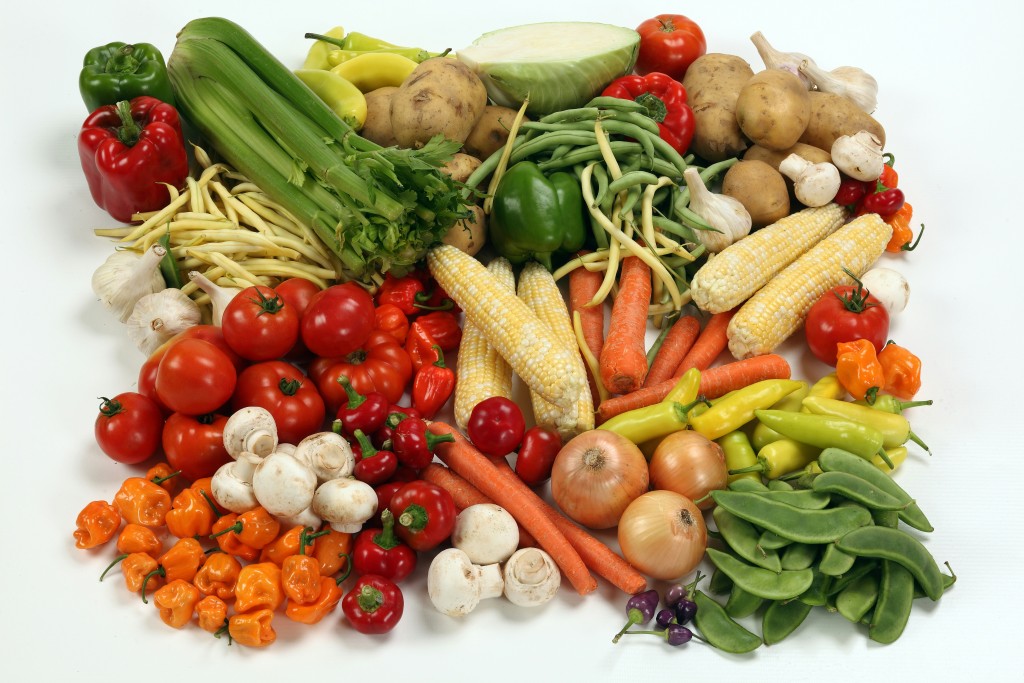
According to mainland Chinese media Life Times, Chinese registered dietitian Gu Chuan-ling states that many foods contain components that combat chronic inflammation, but these nutrients are often heat-sensitive. She suggests that the following 8 types of food are better eaten raw to maximize their anti-inflammatory effects:
8 Anti-Inflammatory Foods
- Cabbage, Napa Cabbage, Radish: These vegetables are rich in glucosinolates, which, with the help of the enzyme myrosinase, degrade into isothiocyanates with antioxidant and anti-inflammatory effects. However, these substances are very heat-sensitive, so eating them raw preserves their nutrition.
- Purple Cabbage: Rich in anthocyanins, which are unstable above 60°C and are water-soluble. Boiling, steaming, or stir-frying causes significant anthocyanin loss. Studies show stir-frying purple cabbage for 3 minutes causes up to 56.96% loss. Cooked purple cabbage often turns unappetizingly blue. Shred finely and dress with sesame sauce or other seasonings to reduce bitterness.
- Green Bell Pepper, Bell Pepper: Data shows 100g of green bell pepper contains 130mg of Vitamin C, the highest among common vegetables; bell pepper contains 104mg/100g, far exceeding other foods. They are also rich in luteolin (a flavonoid) with antioxidant and anti-inflammatory effects. At 90°C, over 45% of luteolin is lost; at 110°C (normal stir-frying temperature), over 80% is lost.
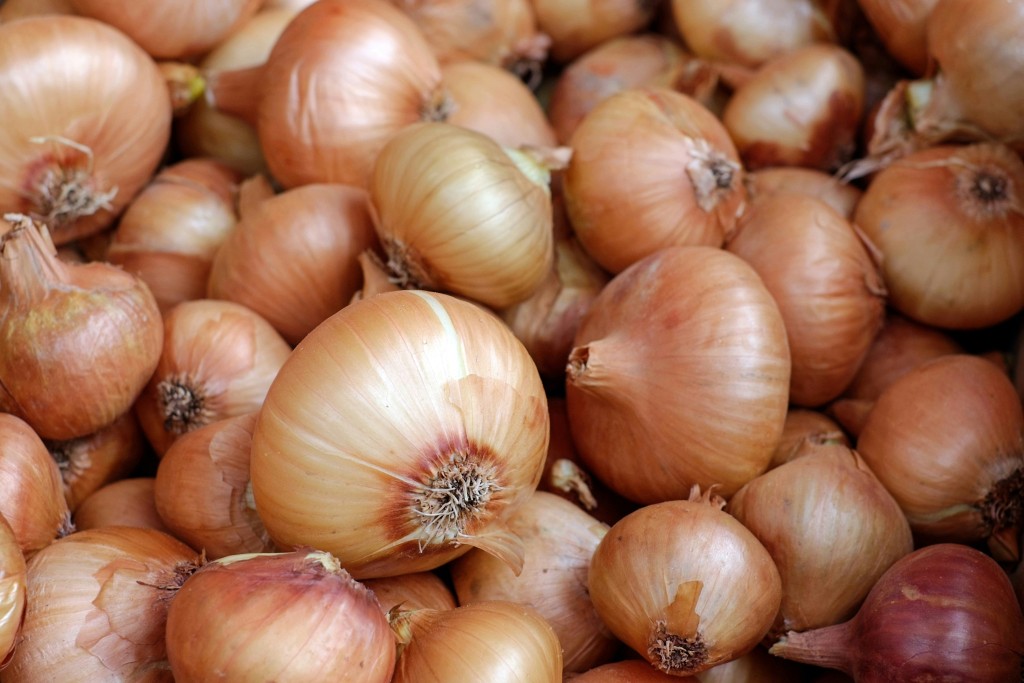
- Onion: Rich in quercetin, a phytochemical with strong antioxidant effects and the ability to reduce cardiovascular disease risk. Its antioxidant capacity is 50 times that of Vitamin E and 20 times that of Vitamin C. Quercetin is both heat-sensitive and water-soluble, so onions are best eaten raw in salads or as cold dish pairings.
- Celery: Apigenin and luteolin in celery degrade when heated in a weakly alkaline environment. Blanching in boiling water before cooking significantly reduces its anti-inflammatory components. Choose tender celery for raw salads.
- Peanuts: The red skin of peanuts is rich in proanthocyanidins and resveratrol, both anti-inflammatory. Both are heat-sensitive; resveratrol particularly converts to a less biologically active structure when heated. Peanuts are best eaten raw.
- Sesame Seeds: Rich in lignans with anti-inflammatory effects, which degrade under high-temperature roasting. Sprinkle raw sesame seeds directly onto salads or sandwiches.
- Flaxseed Oil, Perilla Oil: Both are rich in alpha-linolenic acid with anti-inflammatory effects, but they oxidize easily at high temperatures. These oils are best used in cold dishes or dressings; never use them for stir-frying or deep-frying.
Gu reminds that those with weaker digestive function should thoroughly cook their food to avoid discomfort.
3 Types of Food Not Suitable for Raw Consumption: Risk of Food Poisoning
Not all vegetables are suitable for raw consumption. Some eaten raw are not only difficult to digest but may also cause food poisoning:
- Edamame, Green Beans: These fresh legumes contain trypsin inhibitors, saponins, and lectins, which hinder protein digestion and can cause severe food poisoning.
- Enoki Mushrooms, Shiitake Mushrooms, Oyster Mushrooms: Mushrooms grow in dark, damp environments and are easily contaminated by microorganisms. Inadequate washing and direct raw consumption can easily cause food poisoning. Thorough cooking kills pathogens, releases active compounds, and softens fiber, benefiting those with weak digestion, bloating, chronic diarrhea, etc.
- Spinach, Water Spinach, Bamboo Shoots, Water Bamboo: These vegetables contain high levels of oxalic acid, which binds with calcium in the intestines to form insoluble calcium oxalate, interfering with calcium absorption. Blanch before eating to remove most oxalic acid.
3 Tips for Washing Vegetables
Ruan Guang-feng, Deputy Director of the China Food Information Center, notes that washing vegetables requires attention to detail:
- Control soaking time: Prolonged soaking does not help remove pesticide residues. Soaking for 10-15 minutes is optimal. Over-soaking causes vegetables to reabsorb pesticides from the water and lose nutrients.
- Use running water: Avoid washing vegetables in a basin of standing water. Running water ensures dirt and pesticides are thoroughly rinsed away.
- Always wash before cutting: Cutting vegetables first breaks cell walls, allowing pesticides to penetrate tissues more easily and accelerating nutrient loss. Correct practice: remove damaged leaves, rinse surfaces with water, soak for 5-15 minutes, rinse under running water for at least 30 seconds, then cut. When washing strawberries, grapes, or similar fruits, do not remove the stems first, as this allows harmful substances to follow water into the fruit flesh, causing deeper contamination.