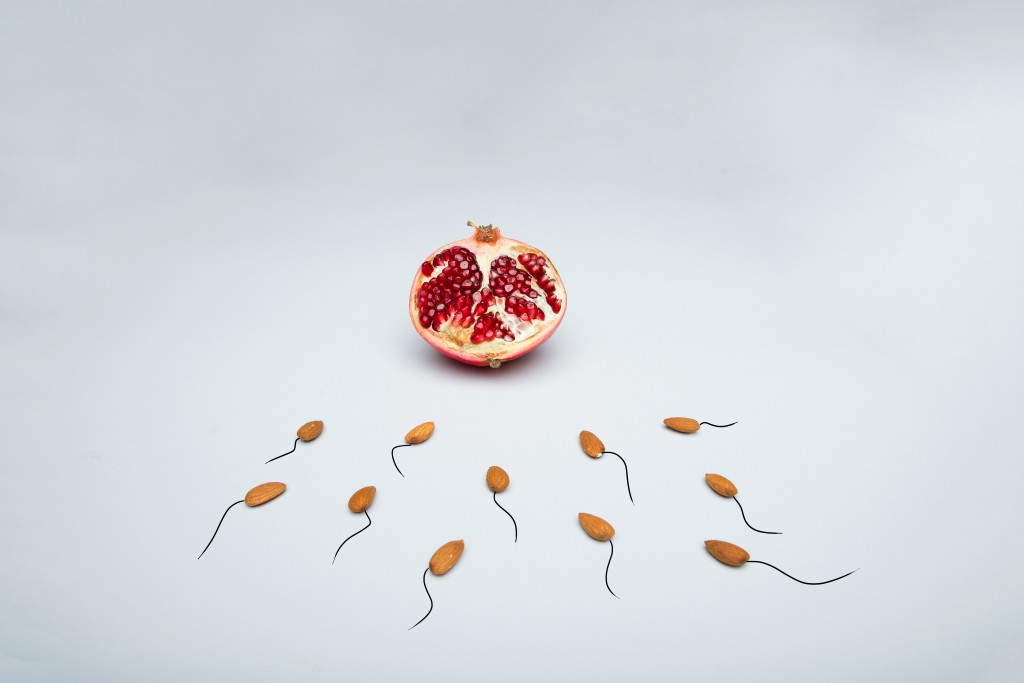
Scientists and medical experts consistently observe a general downward trend in male fertility worldwide. However, the reasons behind this remain puzzling. Various theories circulate online, with some blaming phone radiation and others electric vehicles. But experts state: "Reality is always more complex than imagination." What is happening to men's "sperm troops"? Why have they "drastically shrunk"?
A large-scale study published in 2017 in the Oxford Journal: Human Reproduction Update found that since 1973, sperm counts in Western countries have fallen by nearly 60%. Updated data from 2023 confirmed these results. Epidemiologist Hagai Levine warns that if the issue is not addressed, it could even affect human survival. He uses the metaphor of a "canary in a coal mine" to describe the current sperm count situation, suggesting that "our current environment must have a major problem."
However, these findings have also been disputed by other research. A 2025 analysis by the Cleveland Clinic of studies over the past 53 years found that sperm counts have remained stable. "There is no evidence that a decline in sperm count is leading to a precipitous decline in fertility," noted Dr. Scott Lundy, a reproductive urologist at the Cleveland Clinic and lead author of the study. "The vast majority of men, even those with a modest decline in sperm count, can still get pregnant without issue."
Potential Culprits: Lifestyle Bad Habits
Dr. Alex Robles, of the Columbia University Fertility Center in New York, states that clinically, more and more couples' infertility is being linked to the male partner – with "male factor" issues accounting for at least one-third of cases. What factors are making sperm sluggish and weak?
- Obesity, Smoking, Alcohol, Drugs: Multiple lifestyle factors, including obesity and smoking, may lead to decreased male fertility. Excessive alcohol consumption and marijuana use directly reduce fertility.
- Fever, Infection: Systemic inflammation, infection, or even high fevers caused recently by influenza or COVID-19 can cause a "cliff-like drop" in sperm count within 3 months.
- Microplastics? Phone in Pocket? Social media is rife with claims that carrying a phone in a front pocket damages male fertility and that microplastics cause infertility. While experts say such effects are physiologically possible, there is currently no scientific evidence supporting these claims. However, there is evidence that endocrine-disrupting chemicals (such as those released from plastic products) can indeed potentially disrupt the endocrine system. Men should exercise caution.
Debunking Myths: Is Infertility Caused by Women? Can Supplements Boost Virility?
Robles points out another common misconception is that infertility is primarily a female problem. In fact, male factors account for one-third to one-half of all infertility cases, so there is a significant chance infertility is caused by the male partner.
Many "supplements" on the market claim to increase sperm count, but experts say there is no strong scientific evidence to support these claims. Rather than wasting money, it's better to focus on managing lifestyle habits.
4 Ways to Boost "Sperm Fighting Power"
Experts agree on starting with the following:
- Maintain a Healthy Weight: Obesity affects hormonal balance. Losing excess fat benefits both the cardiovascular and reproductive systems.
- Stay Away from Tobacco and Alcohol: Smoking and excessive drinking directly damage sperm quality. Quitting can lead to recovery.
- Manage Chronic Diseases: Chronic conditions like high blood pressure and diabetes affect blood vessels throughout the body, including those in the reproductive system.
- Avoid Heat: Prolonged hot baths, saunas, or placing a laptop on the thighs can all potentially affect sperm production.
If you and your partner have been trying for a while without good news, don't hesitate to seek professional help early – starting with an evaluation including semen analysis, hormonal testing, medical history review, and a discussion of lifestyle factors.
Source: New York Post