Summer is here, UV rays are getting stronger, and improper protection can harm the skin. Experts point out that doing good sun protection is key to protecting skin in summer. So how long can sunscreen last after opening? A doctor shares 3 ways to check, and warns against using it in one particular condition.
According to a CCTV News report, Dr. Li Wen-hai, Chief Physician of the Dermatology Department at Peking University People's Hospital, stated that in daily life, sun protection methods include physical protection and applying sunscreen. Ultraviolet rays in sunlight, especially UVA and UVB, cause skin aging, wrinkles, and sunspots, so sun protection is crucial. He recommends using physical sun protection methods such as wearing sun hats, sunglasses, or sun-protective masks, and some people even use umbrellas – quadruple-layer protection. If you find physical protection too cumbersome during exercise, you can use sunscreen.
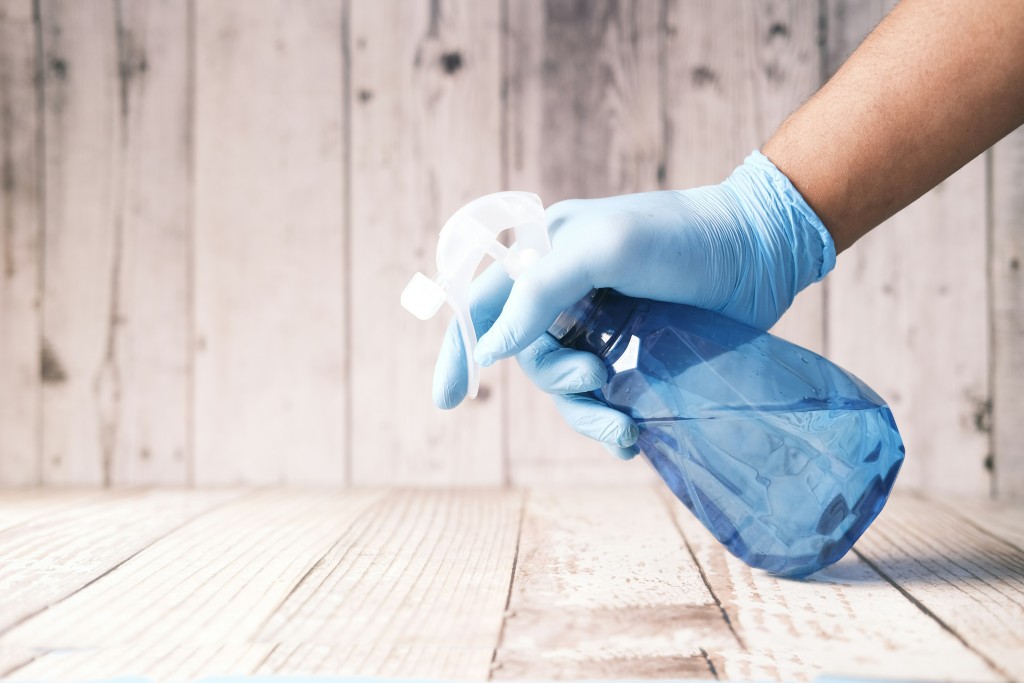
Many people look for leftover sunscreen from last summer, wanting to use it but worrying about reduced effectiveness. Li suggests several simple methods to determine if sunscreen stored for a while still offers protection:
Doctor's 3 Checks to See if Sunscreen Is Still Usable
- Unopened Sunscreen: As long as it is within 3 years of the manufacture date and has no obvious oil-water separation or curdled (tofu-like) texture, it can generally be used normally. If still unsure, apply a small amount behind your ear and observe for 15 minutes for any adverse skin reactions like stinging, redness, or itching. If everything is normal, you can safely use it.
- Opened Sunscreen (with steel ball): This type contains a small steel ball inside; you should hear it rattle when shaken. Such sunscreens naturally have an oil-water separated state. You need to shake them vigorously about 10 times before use. Because the oil layer sits on top, sealing the contents, you generally don't need to worry about the formula deteriorating.
- Opened, lotion-type sunscreen stored for more than 6 months: It is not recommended to continue using it.
Li notes that different groups and skin types require different sun protection approaches. He highlights that the following special groups need particular attention to sun protection:
- Elderly, pregnant women, and those with sensitive skin: Prioritize physical sun protection methods like umbrellas or hats, and secondly, choose sunscreens with minimal irritation.
- Infants under 6 months old: Sunscreen products should not be used; only physical sun protection is advisable.
- Infants over 6 months old: Prioritize physical sun protection, and sunscreen products specifically for infants and toddlers can be used moderately.
Li explains that when choosing a sunscreen, there are requirements for the sun protection factor (SPF). For routine daily activities, choose a sunscreen with SPF greater than 30 and PA greater than two plus signs (++). For activities under intense sunlight, it is recommended to use a sunscreen with SPF greater than 50 and PA greater than three plus signs (+++).
Source: CCTV News